Showing posts with label Tree. Show all posts

Friday, June 17, 2022

Planting Bamboo for Privacy Pros and Cons

Bamboo makes an excellent privacy screen

Prevent nosy neighbors from watching your every move and create privacy for your yard. Knowing how to grow a bamboo screen will help preserve your privacy while contributing to the ecosystem.

toddsmariettatreeservices.com gathered the following pros, cons, and growing information about bamboo for privacy screens.

What is Bamboo?

Bamboo species are a part of the grass family and are typically fast-growing evergreen flowering perennials, with some species growing an astounding 12 to 35 inches per day. The woody ringed stems (culms) are often hollow between the rings (nodes) and tend to grow in branching clusters from a thick underground stem (rhizome). When bamboo is harvested and properly processed, it can be used to make things like flooring, paper, fabrics, chopsticks, and more.

Note: In traditional Chinese culture, bamboo symbolizes longevity and beauty because of its durability, strength, flexibility, and resilience. It survives in the harshest conditions of the most challenging environments, standing tall and staying green year-round. When storms come, bamboo gracefully bends with the wind.

Planting Bamboo Privacy Screens

Bamboo is a stunning plant species for visual privacy screens or evergreen hedges because it has a small initial footprint, it grows incredibly tall, it grows fast, produces oxygen, and sequesters carbon. Consider the following for planting:

Planting Bamboo with a Root Ball (Root Mass) – First, dig a hole twice the size of the root ball and mix composted manure into the base of the hole before putting the bamboo in place. The root mass should sit level with the ground. Finally, mix the topsoil with more compost and fill the hole.

Pros of Bamboo Privacy Screens

Some bamboo species are exceedingly tall

Besides serving as a stunning conversation topic, a live bamboo privacy screen offers the following benefits:

  • Bamboo is incredibly fast-growing and will quickly fill in any gaps between culms
  • Bamboo grows fast (really fast); one species holds the world record for the fastest-growing plant
  • While species-dependent, bamboo can reach 100 feet at maturity
  • Bamboo has a greater tensile strength (28,000 per square inch) than steel (23,000 per square inch) and withstands compression better than concrete
  • Bamboo is evergreen and will provide screening year-round

There are approximately 1,000 bamboo species. The more popular varieties for hedges or privacy screens include:

Arundinaria funghomii (Runner) – Thin, straight canes of running bamboo grow close together with lots of leaves
Bambusa multiplex (Clumper) – 10 to 20-foot upright poles
Bashania fargesii (Runner) – Long, sturdy culms have earned this species the name of “Wind break bamboo,” and its leaves are long and thick
Fargesia dracocephala (Clumper) – This bamboo has thick culms growing to about 10 feet, with a dense and “weeping” canopy that makes an excellent privacy hedge
Phyllostachys bissetii (Runner) – This variety can reach up to 40 feet tall with 2-inch culms
Phyllostachys bambusoides (Runner) – Smooth, beautiful culms can reach 50 to 70 feet tall, with up to a 5-inch culm diameter
Pseudosasa Japonica (Runner) – Ideal for shorter screens and hedges with culms growing 15 to 20-feet tall

Bamboo species are among the fastest-growing plants on the planet. Some varieties can reach full maturity in just 90 days, while most other varieties only take a couple of years. One bamboo species can grow an astounding 35 inches per day (that’s 1.5 inches per hour).

Cons of Bamboo Privacy Screens

Running and clumping bamboo are excellent privacy screens

While there are many positive aspects of using bamboo as a privacy hedge or screen, there are some significant disadvantages. Consider the following:

  • Pruning or cutting bamboo stems (culms) will stop their growth
  • Bamboo does not tolerate drought (regular watering can only be interrupted on rainy days)
  • Bamboo species prefer secluded or protected locations
  • Running bamboo species can aggressively cross property lines and invade yard space
  • Once bamboo is established, it can be extremely challenging to entirely remove

Running bamboo does precisely what the name portrays; it runs. Running bamboo species must be controlled with rhizome barriers to prevent them from spreading beyond their intended location.

Non-invasive, clumping bamboo has short roots, generally forming discreet clumps requiring only a 3’ to 10’ circle of space to expand. Clumping bamboo root structures are dense and can apply significant pressure on foundations, walls, and fences.

Planting Bamboo

In this article, you discovered species and growing information and some of the pros and cons of planting bamboo as a privacy hedge or privacy screen.

Planting bamboo as a privacy screen can give your yard a lush and fully developed screening in a fraction of the time typical landscape trees would take.

When planting bamboo, you risk a “running” species crossing your property line and growing out of control, requiring costly professional removal.

Sources:
extension.uga.edu/publications/detail.html?number=B1357&title=Growing%20Bamboo%20in%20Georgia
extension.tennessee.edu/publications/documents/W220.pdf
heritagegarden.uic.edu/bamboo
depts.ttu.edu/plantresources/Pages/Landscape_Information_Sheets/Woody_Info/Bambusa_spp.php
guinnessworldrecords.com/world-records/fastest-growing-plant

Todd’s Marietta Tree Services

200 Cobb Pkwy N Ste 428 Marietta, GA 30062
(678) 505-0266

Originally published on: http://www.toddsmariettatreeservices.com/planting-bamboo-for-privacy-pros-cons/

Thursday, May 19, 2022

Bushes with Thorns for Increased Home Security

Bushes with thorns can enhance home security by discouraging passage across your landscape

Prevent thieves from gaining easy access to your home’s windows using certain shrubs and an intentional landscape design. Knowing which bushes with thorns to plant in your yard will help take your home’s defense to another level.

toddsmariettatreeservices.com gathered the following species, growing, and care information about thorny bushes that can enhance your property’s security system.

1. Rose (Rosa)

Bushes with thorns include rose

A rose bush is a woody perennial flowering plant named for the flower it bears. There are more than three hundred species and thousands of cultivars. They form a group of plants that can be full-bodied shrubs, climbing, or trailing, with stems often armed with sharp thorns.

Sun – Roses bushes thrive on direct sunlight and will perform their best when planted in locations that provide a minimum of four hours of direct sunlight.
Soil – This species requires good drainage and rich, moisture-retentive soil, preferably with a 6.5 to 7 pH.
Water – In temperate climates, two inches of weekly watering is often all that is needed.
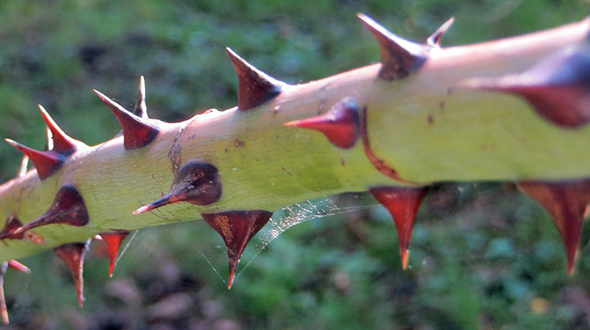
Thorns – You may be interested to know that roses do not have thorns. They do have prickles. Thorns are defined as modified leaf stems or parts of leaves, while prickles grow from the stem’s epidermis. Rose prickles grow to keep away predators.

2. Bougainvillea (Bougainvillea)

Bushes with thorns include bougainvillea

Bougainvillea is a vigorous and chaotic plant producing long, trailing stems covered in sharp spines. This species can be grown as a climber or pruned into a free-standing shrub reaching up to 10 feet in height.

Sun – This species needs a minimum of six hours of daily sun.
Soil – This flowering, thorny bush grows thin roots, making a well-drained soil essential to its survival.
Water – You can help this species avoid fungal diseases and root rot by providing deep waterings every three to four weeks.
Thorns – This plant’s thorns are sharper than rose thorns and will easily scratch or prick. Unlike roses and other thorny plants, bougainvillea thorns have a coating at the tip designed to cause irritation.

3. Pyracantha (Pyracantha)

Bushes with thorns include pyracantha

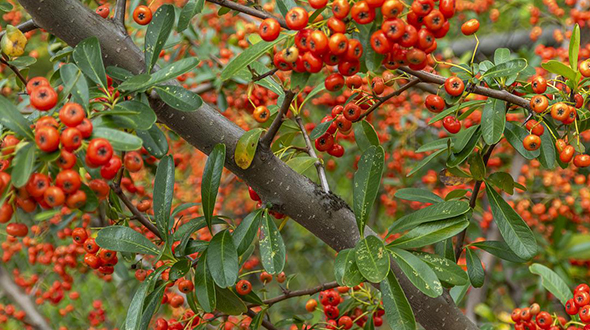
Appearances can differ depending on the species, but the shrub typically has brilliant evergreen foliage, white flowers that produce clusters of orange-red berries, and needle-like protective thorns. The bush’s size can range from 5 to 12 feet high and 6 to 8 feet wide.

Sun – This species prefers six to eight hours of daily sun.
Soil – Planting this bush in highly fertile, well-drained soil will produce rampant growth.
Water – One inch of water per week or more during hot and arid periods provides enough moisture for the bush.
Thorns – Also referred to as firethorn (due to its flame-colored berries and prickly stems), this is a beautiful, easy-going, wildlife-friendly thorny shrub suitable for most gardens.

4. Blackberry (Rubus)

Bushes with thorns include blackberry

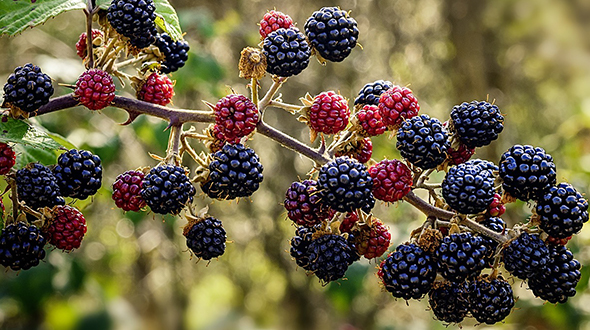
Blackberry is most typically a shrub-like wildflower, measuring 5 to 7 feet tall. The species can be identified by its juicy, black, clustered berries and compound leaves. The radially symmetrical, white flowers bloom atop the bush’s terminal shoots of very thorny, robust stems.

Sun – This species prefers eight hours of daily sun.
Soil – Blackberries perform best in well-drained sandy or loamy soil types with a 5.5 to 6.5 pH.
Water – Blackberries require 1 to 2-inches of water per week in the growing season and 4-inches per week during harvest.
Thorns – Thorns are woody and relatively stronger and tougher than those of other species. Also, this bush’s thorns are difficult to break.

5. Holly (Ilex)

Bushes with thorns include holly

Holly can be grown as large shrubs or trees, many of which have thick, spiky leaves, small white flowers, and yellow, orange, black, or red berries.

Sun – Holly trees thrive in full sunlight. However, they can easily tolerate partial shade.
Soil – Holly species thrive in loamy, well-drained soil kept evenly moist, with an acidic 5.0 to 6.0 pH.
Water – Established bushes should receive at least 2-inches of water per week.
Thorns – The edge of the leaves on this popular bush is wavy with spiny teeth.

6. Barberry (Berberis)

Bushes with thorns include barberry

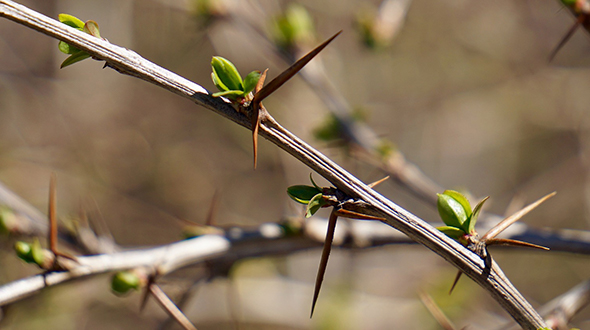
This shrub species has leathery leaves that turn red or orange in the fall and tiny yellow springtime flowers. The species doesn’t produce fruit and has sharp thorns that can help keep deer and people away.

Sun – This species prefers four to six hours of daily sun.
Soil – These robust bushes can tolerate various soil types but will thrive in loamy, well-drained soil with a 6.0 to 7.5 pH.
Water – Once established, this species is extremely drought tolerant and low maintenance, requiring only occasional watering.
Thorns – This evergreen bush has extremely sharp, thorny branches.

Thorny Bushes

In this article, you discovered multiple bush species that grow with thorns and can provide a very effective security barrier around your home’s perimeter.

Planting thorny bushes in your landscape can add definition and style to it while providing an additional layer of security against unwanted stalkers and intruders.

Not planting deterrent bushes around your property can leave you vulnerable to crooks and thieves trying to gain from your lack of security.

Sources:
gardeningsolutions.ifas.ufl.edu/plants/trees-and-shrubs/shrubs/holly.html
hgic.clemson.edu/factsheet/growing-roses/
plants.ces.ncsu.edu/plants/bougainvillea/
landscapeplants.oregonstate.edu/plants/pyracantha
heritagegarden.uic.edu/blackberry
extension.umd.edu/resource/japanese-barberry

Todd’s Marietta Tree Services

200 Cobb Pkwy N Ste 428 Marietta, GA 30062
(678) 505-0266

Originally published on: http://www.toddsmariettatreeservices.com/bushes-with-thorns-for-increased-home-security/

Friday, April 22, 2022

5 Common Weeds in Georgia

Common weeds in georgia can be eliminated or controlled

Prevent your yard and garden being full of pesky and undesirable weeds. Knowing how to identify weed species growing in your Georgia landscape, yard, and garden will help you control their growth before they can spread.

toddsmariettatreeservices.com gathered the following species, growing, and control information about five common weeds thriving in the state of Georgia.

1. Dandelion (Taraxacum)

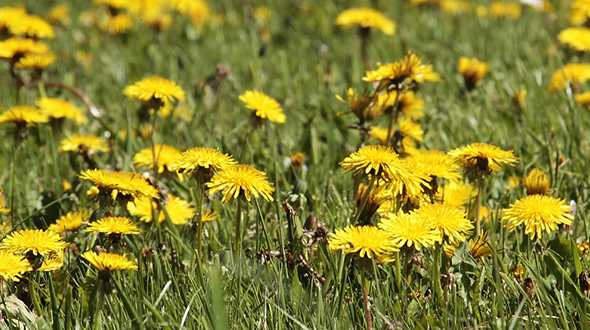
Taraxacum are common weeds in georgia

The incredibly common dandelion is one of the most recognizable weeds growing in North America. The radially symmetrical flowerhead of this species is bright yellow and singularly arranged on a terminal shoot of its light-green, slender stem that secretes a milky sap when wounded. The weed’s leaves are broad and long with irregular teeth and lobes.

Growth Pattern – Dandelion weeds grow from seeds that germinate throughout the entire growing season. The weed remains in the seedling stage for approximately 8-15 weeks. Dandelions produce a rosette of tiny pale yellowish leaves. At the same time, all this is taking place above ground; the plant is growing a significantly deep root.
Size at Maturity – 2 to 6 inches in height and width
Elimination/Control – A broadleaf herbicide is excellent for killing dandelions in lawns. The herbicide will kill the dandelions and not the grass.
Seed – Dandelions can grow from seeds or by division
Is This Species Edible – Every part of a dandelion weed is edible for humans.

2. Clover (Trifolium)

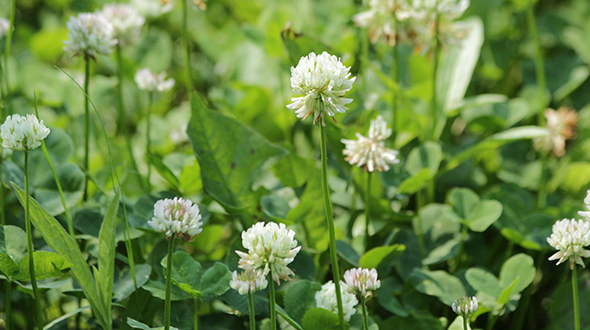
Trifolium are common weeds in georgia

Clovers are typically a short-lived species and feature alternate compound leaves, usually with three toothed leaflets. Tiny but fragrant flowers are crowded into dense, spherical heads or spikes and can appear in white, pink, red, or yellow. The weed’s small, dry fruits typically contain only one or two seeds.

Growth Pattern – This species can sprout in three to four days in the summer months. Clovers can take less than a week to germinate and sprout new growth when temperatures reach 59° Fahrenheit. Clover is persistent with an aggressive root structure, choking out most other weeds.
Size at Maturity – Clover can reach 4 to 24 inches in height, depending on the variety.
Elimination/Control – One way to control clover is to prevent it before it starts. Accomplish this by fertilizing your lawn regularly (3 to 4 times per year), which gives grass the nutrients it needs to grow thick and strong. Thick lawns can easily crowd out weeds like clover.
Seed – Clover does produce seeds. However, it also spreads by taking root along creeping stems where roots emerge from nodes. This allows clover weeds to spread out over vast areas.
Is This Species Edible – Wild clover is considered poisonous in large amounts. However, in small quantities, clover is both edible and potentially beneficial to your health.

3. Kudzu (Pueraria montana)

Pueraria montana are common weeds in georgia

Kudzu is a climbing, semi-woody, perennial vine in the pea family. Deciduous leaves are alternate and compound, with three broad leaflets up to 4 inches across. While this species is considered a vine, it has made this list due to its invasive growth pattern.

Growth Pattern – Kudzu can spread up to 60 feet per growing season (in all directions). One root can produce multiple vines, all of which creep outward (horizontally and vertically), clinging to and climbing over everything while creating dense curtains of kudzu.
Size at Maturity – Undetermined. Kudzu grows exponentially in all directions once established.
Elimination/Control – Efforts to control kudzu infestations have produced mediocre results at best. These efforts included cutting, grazing, digging, burning, and herbicide application. This weed’s roots grow too deeply to be affected by freezing and burning only kills very young plants.
Seed – Kudzu typically won’t flower until its third growing season, with flowers and seeds forming only on its vertical climbing vines.
Is This Species Edible – Kudzu seeds and seed pods aren’t edible, but the leaves, roots, flowers, and vine tips are.

Note: This species can quickly climb trees and rob them of sunlight, effectively weakening or killing them. If you have any vine species climbing your trees, contact a professional tree service to help you prevent a catastrophe.

4. Crabgrass (Digitaria)

Digitaria are common weeds in georgia

Crabgrass is a fast-growing, coarse-textured yellowish-green grass that is conspicuous when found growing among smooth textured, dark green, cool-season turf.

Growth Pattern – Crabgrass seeds germinate from early spring to late summer. Crabgrass continues to grow until midsummer when its vegetative growth slows, and the weed enters its reproductive stage.
Size at Maturity – Up to 2 feet in height while lower stems radially branch out.
Elimination/Control – A highly effective way of eliminating crabgrass is to apply a pre-emergent herbicide before the crabgrass seed can germinate.
Seed – This weed produces purplish seed heads from mid-summer until frost kills the plants.
Is This Species Edible – Crabgrass is not only nutritious but one of the planet’s fastest-growing cereals, producing edible seeds in as little as six to eight weeks. This species is a horrible weed but a wonderful edible.

5. Bittercress (Cardamine hirsuta)

Cardamine hirsuta are common weeds in georgia

Cardamine hirsuta, commonly referred to as “hairy bittercress,” is an annual or biennial plant species in the Brassicaceae family. It is common in moist areas around the globe.

Growth Pattern – Winter annual broadleaf weeds, like this species, germinate in late fall or winter and experience growth during any warm weather spells, which can occur in the winter, but will otherwise remain dormant during the winter. They resume growth and produce their seeds in the spring and will die with increased early summer temperatures.
Size at Maturity – 3 to 12 inches in height with varied circumferences.
Elimination/Control – Prevent invasions into turf areas by encouraging thick and healthy grass growth. This weed will easily invade thin or patchy areas.
Seed – Bittercress spreads by seeds that are dispersed as their pods explosively burst open upon maturing.
Is This Species Edible – Yes. This species is edible and often used as a salad green.

Georgia Weed Identification and Control

In this article, you discovered growing, control, and general species information on several common Georgia weed species.

Knowing how to identify a weed species and its attributes will help you eliminate or cultivate it, returning your turf to its full glory.

Ignoring the weeds that invade your Georgia landscape can quickly lead to an embarrassing, torn-up-looking yard and garden.

Sources:
hort.extension.wisc.edu/articles/dandelion-taraxacum-officinale/
plants.ces.ncsu.edu/plants/trifolium-repens/
misin.msu.edu/facts/detail/?id=18
ipm.ucanr.edu/PMG/WEEDS/crabgrasses.html
canr.msu.edu/resources/hairy-bittercress-cardamine-hirsuta

Todd’s Marietta Tree Services

200 Cobb Pkwy N Ste 428 Marietta, GA 30062
(678) 505-0266

Originally published on: http://www.toddsmariettatreeservices.com/5-common-weeds-in-georgia/

Wednesday, March 16, 2022

5 Flowering Shrubs for Your Marietta Georgia Yard (Zone 7b)

Flowering shrubs hardy to zone 7b are perfect for your marietta georgia yard

Avoid an ugly and bland yard with dying shrubs in Marietta, Georgia. Knowing which flowering shrubs are hardy to zone 7b lets you plant and grow spectacular flowering shrubbery.

toddsmariettatreeservices.com gathered the following species and planting information about 5 beautiful flowering shrubs for your Marietta, Georgia yard and garden.

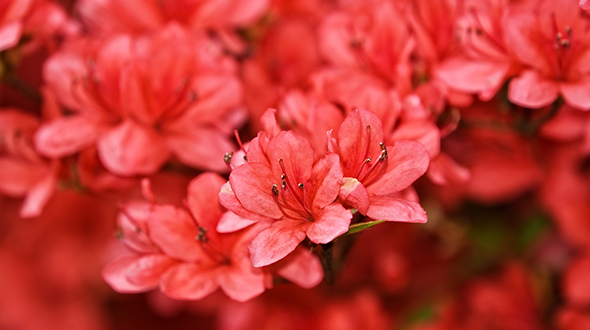
1. Azalea (Rhododendron)

Flowering shrubs like azaleas are perfect for your marietta georgia yard

Azalea is the popular name for a group of flowering shrubs in the Rhododendron genus. These shrubs are characterized by the absence of scales on the underside of the thin, soft, and pointed leaves. This shrub typically has terminal blooms – with one flower per stem.

Sun Requirements – Azaleas thrive in full sun (about 4 hours per day) or part shade.
Soil Requirements – This species requires well-drained, acidic soil. You should test the soil regularly and keep it below a 6.0 pH.
Size at Maturity – Some azalea species reach heights of 20 feet or more, dwarf azaleas only grow to 2 or 3 feet tall, while many garden azalea varieties average 4 to 6 feet in height.
Flowers – Azaleas tend to bloom from early February to September.

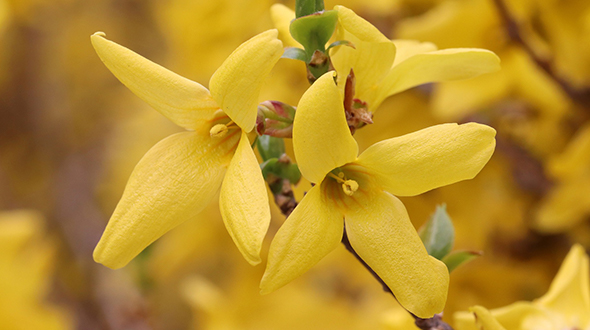
2. Forsythia (Forsythia)

Flowering shrubs like forsythia are perfect for your marietta georgia yard

Forsythia is a deciduous shrub with stems that start green but turn woody and display a rough gray bark. For most of the year, the shrub remains covered in dense, bright green foliage.

Sun Requirements – This species does best in full sun (about 4 hours per day) or part shade.
Soil Requirements – Forsythia shrubs will adapt to most soils. However, they prefer loose, well-draining soil and do best in soils with a pH ranging from 7.0 to 8.0.
Size at Maturity – The forsythia species grows to a mature height of 8 to 10 feet and a spread of 10 to 12 feet.
Flowers – Forsythia blooms overwhelming amounts of bright yellow flowers in the spring.

3. Rose (Rosa)

Flowering shrubs like rose are perfect for your marietta georgia yard

Roses are upright, climbing, or crawling shrubs. Rose’s stems are typically copiously covered in sharp, protective thorns. The shrub’s foliage is usually feather-formed and sharply toothed.

Sun Requirements – Rose shrubs perform best in full sun (about 4 hours per day).
Soil Requirements – Roses require good drainage and rich, moisture-retentive soil, with a pH between 6.5 and 7.
Size at Maturity – Roses varieties range from miniatures (8 inches tall) to tree-climbing vines that easily reach 50 feet or more.
Flowers – Most roses bloom in springtime, with some varieties flowering again in the fall.

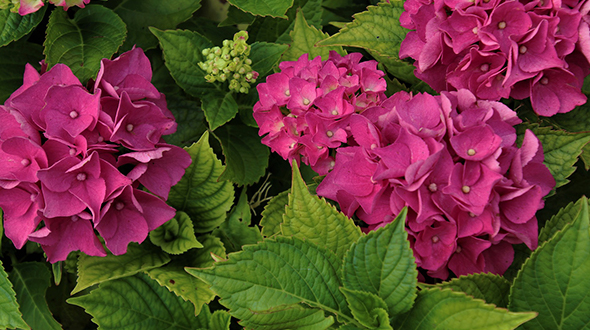
4. Hydrangea (Hydrangea)

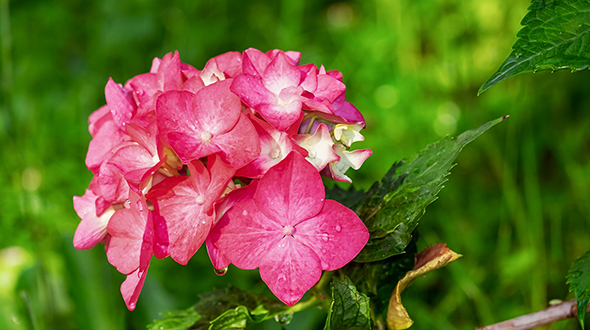
Flowering shrubs like hydrangea are perfect for your marietta georgia yard

Hydrangeas are popular as cut flowers and shrubs for the yard because of their oversized, beautiful blooms. The large flower clusters look like a cheerleader’s pom-poms growing on bushes that sometimes grow as tall as trees. The shrubs come in a variety of different colors (often determined by your soil’s mineral content) and shapes.

Sun Requirements – Hydrangeas thrive with morning sun and partial shade later in the day.
Soil Requirements – Most hydrangeas will do best in fertile, well-drained soils that get plenty of moisture. Consider adding compost to enrich poor soil.
Size at Maturity – Some species only grow to about 2 or 3 feet tall and wide, while others can reach 6 feet tall with a 6-foot spread.
Flowers – Most hydrangeas put on their buds in early summer to only bloom in the following spring, summer, and early fall seasons.

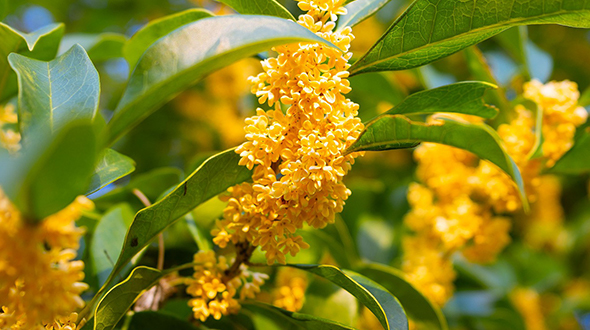
5. Tea Olive (Osmanthus fragrans)

Flowering shrubs like tea olive are perfect for your marietta georgia yard

Tea olive is a broadleaf evergreen shrub (strikingly similar to hollies) from the Oleaceae (olive) family and is native to Asia. This plant species blooms extremely fragrant flowers.

Sun Requirements – Tea olive shrubs thrive in full sun (about 6 to 8 hours per day) or part shade.
Soil Requirements – This species requires well-drained, acidic soil.
Size at Maturity – This plant species typically grows to a mature height of 10 to 30 feet
Flowers – Tea olive blossoms appear in spring, continuously blooming heavily through early summer, then flowering intermittently through fall.

Blooming Shrubs

In this article, you discovered essential information about 5 magnificent flowering shrub species hardy to zone 7b.

Knowing which shrubs to plant in your Marietta, Georgia yard will help you grow a thriving yard full of beautiful seasonal flowers.

Haphazardly planting shrubs out of their respective zones will likely end in the species struggling to survive and prevent it from ever flowering.

Sources:
hgic.clemson.edu/factsheet/tea-olive/
njaes.rutgers.edu/fs1152/
site.extension.uga.edu/effinghamanr/2021/02/tips-for-growing-roses/
extension.umn.edu/trees-and-shrubs/forsythia
gardeningsolutions.ifas.ufl.edu/plants/trees-and-shrubs/shrubs/azalea.html

Todd’s Marietta Tree Services

200 Cobb Pkwy N Ste 428 Marietta, GA 30062
(678) 505-0266

Originally published on: http://www.toddsmariettatreeservices.com/5-flowering-shrubs-for-your-marietta-georgia-yard-zone-7b/

Monday, January 24, 2022

7 Small Flowering Trees for Your Marietta GA Garden

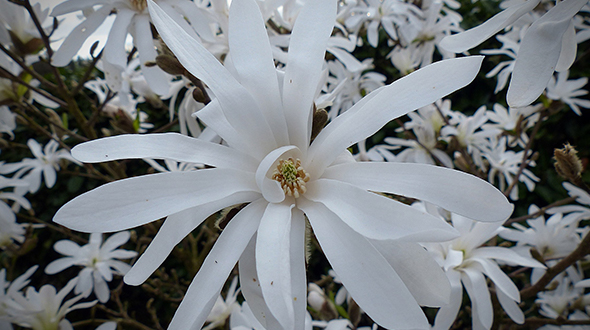
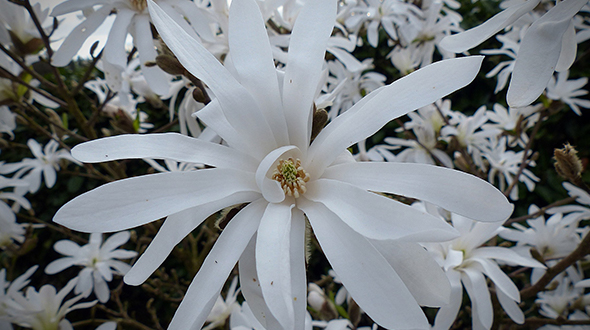
Star Magnolia is a small blooming tree perfect for marietta georgia gardens

Avoid growing an ugly garden with little diversity. Knowing which small flowering trees to plant in and around your garden will keep it looking vibrant and lush.

toddsmariettatreeservices.com gathered the following information about small flowering tree species hardy for your Marietta, GA garden (hardiness zone 7b).

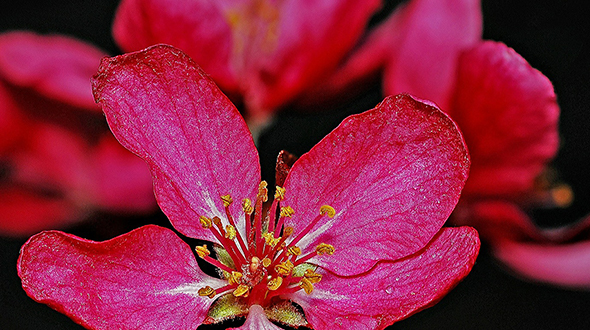
1. Prairifire Flowering Crabapple (Malus ‘Prairifire’)

Malus prairifire is a small crabapple tree for marietta georgia gardens

This tree’s showy, dark pink to red flowers draw most people to the prairifire flowering crabapple. And for a good reason. The stunning, long-lasting spring blossoms are incredible. But this variety also offers year-round beauty with its changing leaf color. Glossy maroon or purplish-red in spring, the leaves turn dark green with purplish-red veins in the summer and finally a stunning bronze in the fall.

This species has a Mature Height of 20 feet and is hardy to zones 3 to 8.

2. Redbud (Cercis canadensis)

This redbud species is a small tree for marietta georgia gardens

Known for displaying pink or white flowers in spring, the redbud is an easy-to-grow small tree. This species of redbud has heart-shaped foliage that turns golden-yellow in the fall. ‘Forest Pansy’ is a popular variety with purple foliage fading to dark green in summer.

This species has a Mature Height of 10 feet and is hardy to zones 5 to 9.

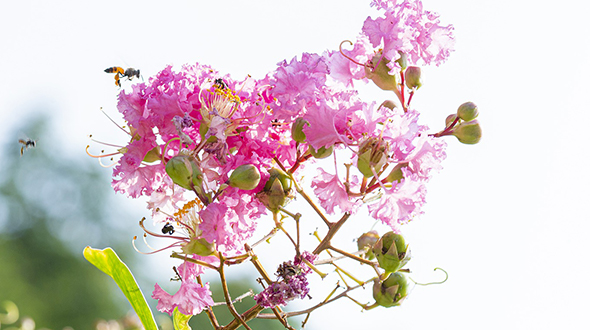
3. Crape Myrtle (Lagerstroemia)

Crape Myrtles are perfect small trees for marietta georgia gardens

A Southern-garden requirement, crape myrtle blooms in big clusters of flowers that range in shades of pink, red, lavender, or white in the summer and fall months. Multiple varieties display red, yellow, or orange autumn foliage, as well as patches of green or silver on the underside of their peeling bark.

This tree species has a Mature Height from 5 to 25 feet and is hardy to zones 6 to 9.

4. Fringe Tree (Chionanthus virginicus)

Fringe tree is a small tree for marietta georgia gardens

Native to parts of Eastern North America, the fringe tree is a plant you can grow either as a large shrub or a small tree. It produces fragrant white flowers in late spring that turn into clusters of blue-purple fruit in fall.

This North American tree species has a Mature Height from 10 to 20 feet and is hardy to zones 3 to 9.

5. Japanese Maple (Acer palmatum)

Japanese maple is a small tree for marietta georgia gardens

Few small trees are as beautiful as Japanese maple in their fall color display. There are multiple ways to use this small tree in your yard and garden, as its crimson red foliage will stand out wherever it is planted.

This stunning tree species has a Mature Height reaching up to 20 feet and is hardy to zones 5 to 8.

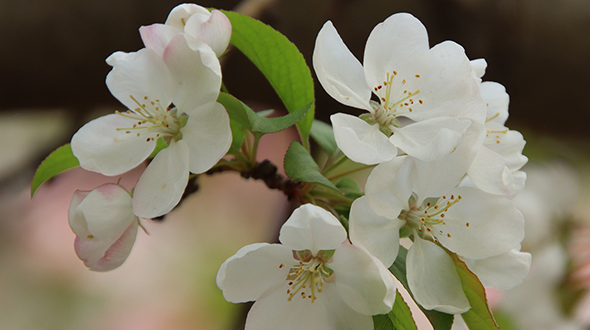
6. Sargent Crabapple (Malus sargentii)

The sargent crabapple is a perfect small tree for marietta georgia gardens

This popular landscape tree tends to show off in the spring, with multiple clusters of fragrant white flowers blooming in May. This tree’s dense, broad crown and crisscrossing branches add to its desirability and make the tree wider than it is tall. This species is also a popular selection for bonsai trees.

This species has a Mature Height of 5 to 10 feet and is hardy to zones 4 to 8.

7. Star Magnolia (Magnolia stellate)

Star Magnolia is a small blooming tree perfect for marietta georgia gardens

With attractive, fragrant flowers, dark green foliage, and gray bark, this magnolia species is a showstopper for any Marietta, Georgia garden. This magnolia species thrives in nearly every location in the United States. The star magnolia could be a landscape alternative for Marietta gardeners looking to add small spring-blooming trees to their spaces.

This Magnolia species has a Mature Height of 15 to 20 feet and is hardy to zones 4 to 9.

Bonus Tree – Purpleleaf Sand Cherry (Prunus x cisterna)

Prunus x cisterna is a small blooming tree for marietta georgia gardens

This small flowering tree is a hardy landscape and garden variety with reddish-purple leaves that keep their unique color throughout the summer months. Because of this, the purpleleaf sand cherry is an excellent contrast tree.

This species has a Mature Height of 7 to 10 feet and is hardy to zones 3 to 7.

Small Flowering Trees

In this article, you discovered multiple small flowering tree species, their descriptions, and their USDA hardiness zones.

Using small flowering trees to accent your garden or stand alone as a specimen tree will add vibrant color and personality to your Marietta, Georgia yard, increasing your home’s curb appeal.

Your refusal to diversify your yard and garden’s plant life can result in an ugly landscape leaving a bad impression of you on your guests and passersby.

Sources:
plants.ces.ncsu.edu/plants/cercis-canadensis/
hgic.clemson.edu/factsheet/crape-myrtle/
landscapeplants.oregonstate.edu/plants/malus-prairifire
hort.ifas.ufl.edu/treesandpowerlines/chionanthus_virginicus.shtml
edis.ifas.ufl.edu/publication/ST023
extension.colostate.edu/topic-areas/yard-garden/flowering-crabapple-trees-7-424/
hort.extension.wisc.edu/articles/star-magnolia-magnolia-stellata/
web.extension.illinois.edu/shrubselector/detail_plant.cfm?PlantID=363

Todd’s Marietta Tree Services

200 Cobb Pkwy N Ste 428 Marietta, GA 30062
(678) 505-0266

Originally published on: http://www.toddsmariettatreeservices.com/7-small-flowering-trees-for-your-marietta-ga-garden/

Wednesday, November 17, 2021

Best Types of Grass in Georgia

Grasses common to Georgia

When they’re getting a new lawn, people often don’t think hard enough about the type of grass they want to put down. There’s a wide range of grass types out there, varying in price, quality, and availability.

Whether you want something easy to maintain that the kids can play on, or a yard that looks great all year round, it’s important to know what landscaping options are available to you in Georgia. In this blog post, we’ll bring you a list of the top 7 types you can get in Georgia.

Georgia’s Climate

First, it’s essential to get a sense of the unique climate in Georgia to understand why not all types of grass in the US are suitable for landscaping here.

Situated in the South, Georgia is much better suited to what is known as warm-season grasses, that is, varieties that perform best when they are exposed to hotter temperatures with greater sunlight.

That’s why the majority of varieties on this list are warm-season grasses. toddsmariettatreeservices.com advises against buying cool-season grasses for landscaping unless you’re adding them to a mix with warm-season varieties.

1. Bahia Grass

Bahia grass is a resilient, coarse grass that’s especially useful for soil conditions with a poor level of nutrients. This type can survive where other varieties might not.

Bahia grass doesn’t mind being in the shade, so long as it’s exposed to a regular dose of sunlight.  You can leave the grass to grow two or three inches, meaning you won’t have to mow it every week.

2. Bermuda Grass

Bermuda grass is one of the oldest and most popular choices for lawns, thanks mainly to its resilience after heavy footfall. It’s especially ideal for sports fields. It’s fast-growing, though, so make sure you’ve got the time to mow it regularly.

Bermuda grass loves the sun, so it’s not the right choice for you if you have a lawn in a shady environment. And because it’s fast-growing, you’ve got to make sure you keep it in check by mowing regularly.

3. Centipede Grass

Centipede Grass has a moderate texture and is low-growing. It doesn’t even mind being in the shade for extended periods. Plus, this type is easy to manage and won’t grow out of control.

Don’t buy this variety if you’re looking for something that’ll grow fast – Centipede grass takes its time to reach its full potential. It’s also delicate and can’t withstand lots of activity.

4. St Augustine Grass

St Augustine Grass has a dark green color and a somewhat rough texture. Aside from being watered from time to time, this variety does not require lots of maintenance, and its blades can be left to grow. It doesn’t mind being left in the shade, either.

However, this isn’t the type of grass that can withstand lots of activity – it’s likely to get compacted and damaged if it’s trodden on regularly.

5. Zoysia Grass

Although it thrives best in hot, sunny conditions, Zoysia grass can also withstand cooler temperatures without any problems. This variety is soft to touch, and the blades usually grow together into densely-packed clusters.

However, don’t get Zoysia grass if you’re looking for something that’s low maintenance. This variety grows very quickly and is prone to spread into flowerbeds and other parts of your garden if it’s not carefully maintained.

6. Fescue Grass

fescue grass species is a popular lawn summer grass

Fescue Grass is best suited to areas deprived of shade, where other varieties might be unable to thrive. It has a smooth, thin shape which helps it grow quickly.

This variety is known for its resilience. It’s capable of surviving under a range of different temperatures and can withstand periods of drought. However, it does need regular watering in the summer, or it ends up receding and going dormant.

7. Blue Grama Grass

Blue Grama Grass is a bit of a wildcard on this list. It’s not a traditional type of grass used for lawns, and historically it was more likely to be found on unmanaged fields. However, it’s grown in popularity for garden landscaping in recent times due to its naturally unkempt appearance.

This grass type is not suitable to cover an entire lawn with, but it is useful as a decorative plant to surround the edges of a property or replace thin strips of grass in your garden. Best of all, it requires next to no maintenance, so you can let its long silky blades grow out to their full length.

Grasses In Georgia

Remember, the most critical factor in having an impressive, consistent lawn is the amount of time you spend on maintenance. Regardless of the grass type, no yard is going to look good if you neglect it.

That’s why when you choose a grass type for your landscaping, make sure you have a clear idea of how much time you’re able to commit to maintaining it, as some types require a lot more work than others.

Todd’s Marietta Tree Services

200 Cobb Pkwy N Ste 428 Marietta, GA 30062
(678) 505-0266

Originally published on: http://www.toddsmariettatreeservices.com/best-types-of-grass-in-georgia/

Thursday, August 26, 2021

What Should Be Pruned in the Fall?

Fall pruning to remove storm damage and dangerous growth

Prevent your shrubs and trees from becoming diseased and dying due to untimely fall pruning. Knowing when to prune your plants, shrubs, and trees in the fall will help you keep them thriving.

toddsmariettatreeservices.com gathered the following information about the heightened risks of pruning activities performed during fall months.

The Risk of Early Fall Pruning

It is not advised to conduct ANY pruning activities in early fall. All pruning activities encourage new plant growth. When these activities occur in early fall (when the tree or plant is starting to go dormant), any new growth won’t have enough time to harden before the first frost and freezing temperatures set in. This tender new growth, damaged by freezing weather, can become a vector for infestations and disease.

Why Fall Pruning Is Discouraged

The dangers of early fall pruning include:

Disease – As the seasons change from summer to fall, rainfall is typically increased, creating a moist or wet environment that promotes the growth and spreading of disease-causing bacteria and fungi.

Infestation – Like disease infections, insect infestations are supported by a moist or wet environment. These conditions delay a tree or plant’s ability to heal pruning wounds.

Off-Season Growth – As mentioned, pruning encourages growth. Pruning a tree or plant before dormancy can result in tender growth that becomes a vector for disease and infestation (when damaged by freezing weather).

Tip: Put your pruning shears away for another couple of months and allow your trees and plants to go completely dormant. Once dormancy has settled in (after all the leaves have dropped), you can safely prune trees and shrubs.

Note: If you must perform fall pruning, wait for your tree, shrub, or plant to go completely dormant. This “fall” window of opportunity is generally between the Thanksgiving and New Year holidays. However, if you can wait, late winter (late February) pruning is far less risky.

Fall Pruning Exceptions

There are exceptions when pruning should occur in the fall like storm damage and dangerous growth

Some situations arise, demanding immediate pruning activities. While most of these apply to trees, large or overgrown shrubs may require similar attention. Be on the lookout for the following:

Overhanging or Dangerous Growth – When trees or large shrubs grow over a structure or lean in that direction, they can cause great concern. This is true, especially in regions prone to severe weather.

The solution to this predicament is to prune back the limbs or branches causing the concern or to remove the tree or shrub, eliminating the threat altogether.

Dead Limbs or Branches – For all plant life, dead wood represents an easy entryway for disease and insect infestation. In fact, dead limbs or branches may result from a disease or infestation and should be investigated.

This dead wood should be removed upon discovery, regardless of the season or circumstance.

Storm Damage – Severe weather events seemingly occurring more frequently and consequently causing sometimes catastrophic damages to trees, shrubs, and plants.

When you detect storm damage in your trees, shrubs, and plants, you should take immediate action to remove the damaged wood and prune back limbs that have snapped or broken off (eliminating rough or uneven surfaces). Handling storm-damaged trees is a responsibility that should not be taken lightly. Minor damages can be resolved, but for more extensive damages, hire a professional tree service to help you sort out what can be salvaged and what is a threat and needs removing.

Plants and Shrubs That Should Be Pruned in the Fall

While the overall intent of this publication is to discourage fall/autumn pruning, the following species of plants and shrubs benefit from fall pruning:

  • Bearded Iris (Iris germanica)
  • Bee Balm (Monarda)
  • Bellflowers (Campanula)
  • Catmint (Nepeta)
  • Coneflowers (Rudbeckia)
  • Columbine (Aquilegia)
  • Daylily (Hemerocallis)
  • Phlox (Phlox paniculata)
  • Salvia (Salvia spp.)
Fall pruning should be done to specific plant species including daylilies

Counter to the standard, these above plant species do require fall pruning. However, to be more informed, read when should I prune trees and discover best practices of tree pruning?

Generally speaking, plants hardy in USDA hardiness zones 4 through 9 will need fall pruning.

No shrub species require fall pruning:

Shrub pruning should be treated the same as tree pruning. Early fall pruning can severely damage your shrubs and should be avoided until the shrub has gone dormant for the season.

Tip: You can and should prune shrubs any time it becomes necessary (broken branches, dead or diseased wood, or removing growth that is obstructing a sidewalk or road).

Alternatives to Fall Pruning

Fortunately, there is no shortage of activities you can perform in place of pruning. Your landscape will benefit from the following:

Rake Leaves and Debris – Most fungi and bacteria overwinter (lie in wait) in fallen leaves and debris. Rake this material up regularly and dispose of it from your property. Avoid composting these leaves and material as you may be cultivating harmful plant/tree pathogens.

Mulch – Offer a protective layer of mulch to trees, shrubs, and gardens for the winter months. A new or refreshed three to four-inch layer of organic mulch will help regulate soil moisture and temperature.

Fall activities can include mulching

Amend Your Soil – The fall season is also a good time to amend your landscape and garden soil with compost or fertilizer. A simple soil test can reveal which nutrients your soil is lacking.

Mark Your Trees – Instead of pruning, take a can of red or pink spray paint and mark the branches you’d like to remove at a more appropriate time. Branches to be marked may include:

Fall pruning can be avoided by marking the trees to be removed in winter or early spring
  • Branches obstructing free-flowing light and air through the canopy
  • Crossover branches that rub and cause open wounds to form in the canopy (remove the smaller of the two)
  • Low hanging branches that may interfere with foot traffic
  • Branches or limbs growing vertically (water sprouts)

Tip: The more prep work you can get accomplished in the fall, the less work you’ll need to do, and the better your landscape’s conditions will be in the spring.

Pruning in the Fall

In this article, you discovered what to prune in the fall and when your trees, shrubs, and plants respond best to pruning activities.

Knowing when and what to prune in the fall season will help you maintain the health and vigor of your plants, shrubs, and trees.

Haphazardly pruning in fall months can lead to diseased or infested plants, shrubs, and trees, sometimes resulting in catastrophic damages when they die or are destroyed in severe weather events.

Sources:
hortnews.extension.iastate.edu/2015/03-13/pruning.html
extension.uga.edu/publications/detail.html?number=B961&title=Pruning%20Ornamental%20Plants%20in%20the%20Landscape
johnson.k-state.edu/lawn-garden/agent-articles/trees-shrubs/fall-pruning.html
extension.usu.edu/archive/is-it-too-late-or-too-soon-to-prune
extension.umn.edu/news/prune-or-not-prune-0

Todd’s Marietta Tree Services

200 Cobb Pkwy N Ste 428 Marietta, GA 30062
(678) 505-0266

Originally published on: http://www.toddsmariettatreeservices.com/fall-pruning/

Thursday, July 29, 2021

Fusiform Rust Identification, Information, and Control

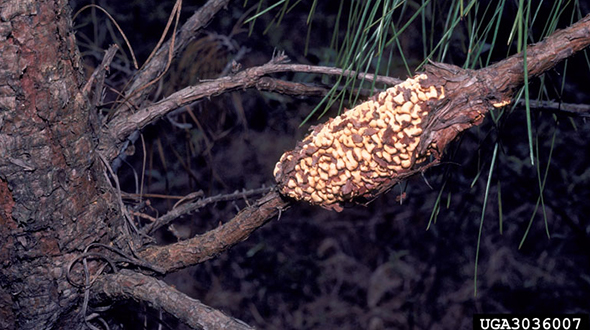
Fusiform rust disease forms galls on pine trees

Prevent your pines from becoming gall-ridden, sick, and dying trees. Knowing how fusiform rust develops and spreads will help you take the necessary steps to keep your trees safe.

toddsmariettatreeservices.com gathered the following information, ways to identify, and control measures for fusiform rust.

What Is Fusiform Rust

Fusiform rust is a rampant and damaging disease of multiple pine species in the south and southeast. This lethal rust disease is caused by the fungus Cronartium quercuum f. sp. fusiforme. For this disease to complete its lifecycle and colonize a pine (Pinus) specimen, it must first find a host in the oak (Quercus) genus. The disease leads to rust galls and/or crippling cankers on pine tree trunks and/or branches.

Some of the more susceptible oak species include:

  • Water (Quercus nigra)
  • Willow (Quercus phellos)
  • Laurel (Quercus laurifolia)
  • Bluejack (Quercus incana)
  • Blackjack (Quercus marilandica)
  • Southern red (Quercus falcata)
Fusiform rust disease requires a tree from the quercus species to continue its lifecycle

While more than 30 pine species are affected by fusiform rust, the two most impacted species include:

Fusiform rust disease easily infects loblolly pines
  • Loblolly (Pinus taeda)
  • Slash (Pinus elliottii)
Fusiform rust disease easily colonizes slash pines

Fusiform rust is indigenous to the Southern States stretching from Maryland south to Florida and west to Arkansas and Texas.

Fusiform Rust Identification

The colloquial name of this fungus comes from the spindle-shaped (fusi-form) or tapered galls produced on pines at the infection site. In early spring, powdery, orange spores are produced by the fungus coinciding with the emergence of oak foliage.

In the tree’s weakened state, the following secondary pests may also appear:

  • Black turpentine beetles (Dendroctonus terebrans)
  • Coneworms (Dioryctria spp.)
  • Pitch canker fungus (Fusarium moniliforme var. subglutinans)

Note: The most common way to identify fusiform rust is in early spring, when its galls on pines produce the signature orange, powdery spores.

Fusiform Rust Lifecycle

What makes this pathogen intriguing is that it requires an alternate host (oak) for the fungus to complete its 5-step lifecycle. Consider the following:

  • In March, galls on pine trees produce aeciospores (the orange, powdery spores)
  • The spores are carried by wind to infect emerging oak foliage
  • In late spring or early summer, the oaks produce basidiospores on the underside of the infected foliage
  • The spores formed on oak foliage are then carried by wind to the growing tips of pine trees
  • The lifecycle of this clever pathogen completes as the pines are infected from late spring through early summer

This fungus may be unsightly during its lifecycle, but it does little to no harm to the oak foliage it colonizes.

Fusiform rust disease uses two hosts one oak and one pine species

Note: The annual timing of this entire lifecycle may vary depending on geographic location and when average temperatures are higher.

How Do You Treat Fusiform Rust

Fusiform rust management in a forest or landscape setting poses interesting challenges but can be accomplished over time with patience. Consider the following three control methods:

Oak Host Management – When seasonally appropriate, susceptible oaks (like those listed above) in and immediately adjacent to pine stands should be chemically treated, pruned, and fallen foliage collected and destroyed. Hire a professional tree service to help you suppress potential infections.

Although spores that infect pine species can be transported extremely long distances by wind, nearby infected oaks tend to account for most of the surrounding pine infections.

Pine Host Management – Avoid planting rust susceptible pine species in locations where fusiform rust is or has been an issue. Pruning branch cankers and removing diseased branches can help lower trunk infection potential. However, once the trunk is infected, branch pruning is not recommended. Diseased pine trees are not a direct risk to surrounding healthy ones since spores that infect pines come only from oak leaves.

If you are working with a dense planting site, hire an ISA-certified arborist to help you with sanitation thinning (of infected trees), creating an age-diversified stand, all while avoiding exceeding planting densities which may result in secondary insect infestations and infections.

Pathogen Management – Consider sanitation thinning where you have multiple pines growing. Remove pines with trunk galls and those riddled with branch galls. Pruning pines with multiple branch galls is not preferred or recommended. These pruning activities, when done from February through June, may result in the colonization of these pruning wounds.

Fusiform rust disease control includes sanitation thinning

Stand or specimen burning is not recommended. However, when burning is prescribed, avoid igniting resinous trunk cankers, which will likely end with charring and potential tree death.

Currently, one of the better fusiform rust management methods is prevention. This is best accomplished by planting (naturally or engineered) resistant pine species and treating oaks growing in the vicinity of your pines.

Fusiform Rust – Cronartium Quercuum f. sp. Fusiforme

In this article, you discovered information about fusiform rust, how it is identified, and several control methods.

Understanding the unique way this disease completes its lifecycle and how it is entirely dependent on a secondary host species will help you control it in forest, landscape, nursery, and planting for future harvest.

Neglecting to address fusiform rust will lead to the formation of galls and cankers that can severely weaken the tree, reduce its value for timber, increase wind susceptibility, and cause its death.

Sources:
fs.fed.us/research/invasive-species/plant-pathogens/fusiform-rust.php
forestry.alabama.gov/Pages/Informational/Diseases/Fusiform_Rust.aspx
tfsweb.tamu.edu/uploadedFiles/TFSMain/Manage_Forest_and_Land/Forest_Health/Stewardship/Fusiform_Rust.pdf
forestry.ces.ncsu.edu/2017/04/so-what-is-the-orange-stuff-on-my-pine-trees/
aces.edu/blog/topics/forestry/managing-fusiform-rust-on-loblolly-and-slash-pine-in-forest-and-landscape-settings/
forestpests.org/nursery/fusariumrust.html

Photo credit: Robert L. Anderson, USDA Forest Service, Bugwood.org.

Todd’s Marietta Tree Services

200 Cobb Pkwy N Ste 428 Marietta, GA 30062
(678) 505-0266

Originally published on: http://www.toddsmariettatreeservices.com/fusiform-rust-identification-information-and-control/

Friday, June 25, 2021

Pecan Phylloxera Identification and Control

Phylloxera galls appear on leaves from insect feeding activities

Prevent repeated pecan phylloxera infestations from severely damaging or killing your pecan trees. Knowing how to identify and control phylloxera will help you stop this insect from slowly debilitating your tree and take measures to effectively control it.

toddsmariettatreeservices.com gathered the following information about pecan phylloxera, the damage it causes, how to identify it, and what can be done to control it.

What Is Pecan Phylloxera

Pecan phylloxera is an insect that can cause significant damage if ignored or treated incorrectly in pecan orchards. Phylloxera can attack pecan tree shoots, leaves, and fruit. Due to the life cycle of phylloxera, timing is very vital to controlling the infestation. Once you see that galls have developed, it is too late to stop the infestation in the current season. The following are three species of phylloxera and the galls they form:

Pecan Phylloxera (P. devastatrix Pergande) – This insect species produces large, green galls on stems, twigs, petioles, midribs, and nuts. Winged phylloxera emerge from these galls.

Pecan Leaf Phylloxera (P. notabilis Pergande) – This species causes small galls to develop next to the midribs or veins of leaflets. The galls are oval to spherical, open on the ventral surface of the leaf, are typically evenly green on the top, and often appear reddish beneath. Winged phylloxera also emerge from these galls.

Southern pecan leaf phylloxera (P. russellae Stoetzel) – This phylloxera species causes the formation of small galls on leaf surfaces between the veins. The galls are round and somewhat flat, open on the ventral surface. The opening will typically contain dense, short, white hairs. Phylloxera emerging from these galls are wingless.

Pecan Phylloxera Damages

Phylloxera damages can appear as dieback chlorosis fruit damage and allow secondary infestations

Pecan phylloxera in isolated cases does not cause any significant damage to its host tree. However, large and/or repeated infestations can result in the following:

  • General wilting and/or drooping
  • Chlorosis of affected foliage
  • Dieback of affected branches
  • Early leaf drop
  • Weakened/Declining tree health
  • Causes increased susceptibility to secondary infestations and diseases

Note: For trees with previous disease and infestation incidences (including repeated and heavy phylloxera infestations), significant phylloxera infestations can ultimately lead to or participate in the host tree’s death.

How To Identify Pecan Phylloxera

Pecan phylloxera are tiny insects resembling aphids (without the cornicles) that range from cream to a pale yellow color. Phylloxera have sucking mouthparts and are 1/10 to 1/5 inch long. Their feeding stimulates the tree to produce galls on leaves, stems, and nuts where wounded. The phylloxera reproduce inside the galls. All phylloxera species overwinter in the tree or orchard and feed on new growth in the spring.

Pecan Phylloxera Lifecycle

The three species of phylloxera follow somewhat identical lifecycles. Observe the following:

Eggs – Phylloxera overwinter as eggs in sheltered spots like bark on the tree trunk or branches, within opened/spent galls, underneath the carcasses of dead phylloxera, etc.

Stem Mothers – The young that hatch from overwintered eggs are referred to as “stem mothers” and appear around the same time new foliage and growth begin to emerge.

Gall Formation – As the stem mothers hatch, they migrate to emerging tissue to begin feeding. This feeding stimulates the host tree to develop galls that enclose the insect within a few days.

Phylloxera galls enclose and shield the insects as they mature

Nymphs – Inside the galls, stem mothers mature, lay their eggs, and die. Shortly after that, nymphs hatch from the eggs and feed until the galls split open in late spring or early summer, at which time new adults emerge.

The following are how each of the species continue their reproductive cycles:

Pecan Phylloxera (P. devastatrix Pergande) – Winged, asexual adults emerge from the galls and migrate to other parts of the same or nearby tree where they deposit small eggs that hatch into male insects and larger eggs that hatch into female insects. Once mated, the females die with a fertilized egg still inside them (protected for the winter). This species produces one generation of galls per year.

Pecan Leaf Phylloxera (P. notabilis Pergande) – Winged, sexual adults emerge from the galls resulting from the stem mother. These adults mate and the females locate a protected place to lay a single egg (which also hatch asexually) before they die. This species crawls to new areas of foliage on the same tree and forms a second and, sometimes, a third generation of galls in a single season.

Southern pecan leaf phylloxera (P. russellae Stoetzel) – These produce wingless, sexual adults in the galls resulting from the stem mother. The females will crawl to protected/secluded places to lay their single eggs. These eggs are typically not entirely laid by the female, remaining attached to her dead body. This species only produces one generation of galls per year.

Watch this video to see phylloxera insects inside a gall.

Pecan Phylloxera Control Measures

If any of the phylloxera species are present, insecticide applications should be made to your tree(s) between bud swelling and early leaf expansion (when the leaves have begun to unfurl). If galls are found, another insecticide application should be made the following year. Consider the following when acquiring an insecticide for phylloxera control:

  • Acquire adequate equipment to thoroughly distribute (spray) the insecticide on infested specimens
  • Select an insecticide containing a growth or reproductive inhibitor
  • Use insecticides containing carbaryl as an active ingredient; it is one of the most readily available phylloxera treatments for homeowner applications
  • Solutions containing neem oil are also highly effective, killing small soft-bodied insects like phylloxera on contact
  • Imidacloprid (made to mimic nicotine, which is lethal to insects) is also a good, systemic choice for phylloxera control.
  • Learn the recipe for how to make your own insecticidal soap to combat pests – toddsmariettatreeservices.com/insecticidal-soap-recipe-control-tree-pests/

You can reduce or eliminate the potential for such infestations by planting resistant cultivars and promoting their vigorous, healthy growth.

Tip: Insecticide applications must be made prior to gall formation. Once the insects are enclosed in the galls, reliable control is no longer possible.

Watch this video for more on pecan phylloxera

Disclaimer: This website provides general information only about a chemical or class of chemical products; it does not and cannot provide detailed safety information specific to any particular consumer product, it is not intended to be comprehensive or complete, and it should not be relied upon to ensure safe and appropriate use of any particular insect control product. Read product labels for warnings, advisories, and instructions.

Southern Pecan Leaf Phylloxera

In this article, you discovered information about the several pecan phylloxera species, the damage they can cause, ways to identify them, and control methods.

Knowing when to take action against phylloxera is as crucial as how to do it. Enacting well-informed and timed control measures will help you keep phylloxera infestations under control.

Ignoring or incorrectly treating a phylloxera infestation can allow its rapid proliferation, decline in overall tree health, and eventual tree death.

Sources:
hgic.clemson.edu/factsheet/southern-pecan-leaf-phylloxera/
entoweb.okstate.edu/ddd/insects/phylloxera.htm
extension.msstate.edu/sites/default/files/newsletter/bugwise-newsletter/2016/2016%20BugWise%20No%202%20-%20Pecan%20Phylloxera.pdf

Todd’s Marietta Tree Services

200 Cobb Pkwy N Ste 428 Marietta, GA 30062
(678) 505-0266

Originally published on: http://www.toddsmariettatreeservices.com/pecan-phylloxera-identification-and-control//

Wednesday, May 26, 2021

Tree Root Pruning

Tree root pruning to encourage feeder root growth

Root pruning can prevent your tree from dying when it comes time to transplant it. Knowing the ins and outs of root pruning will help you smoothly relocate your tree.

toddsmariettatreeservices.com gathered the following information about what root pruning is, why you should root prune, how to do it, and when it is necessary.

What Is Root Pruning

Root pruning is the practice of encouraging tree root growth (before transplanting) by severing existing roots at the tree’s drip line – the ground equivalent of the outer extremity of the tree’s crown.

This practice encourages new feeder root growth within the root ball to be transplanted along with its tree. Smaller root balls, with multiple feeder roots, help the tree acclimate faster to its new environment and soil.

Established trees have roots that reach out far beyond the tree’s drip line. These longer roots are used for anchoring and support. Most small feeder roots, which deliver water, food, and nutrients to the tree, will likely be found on these far-reaching roots at a greater distance from the tree.

It is nearly impossible, in most cases, to include all of these roots in the tree’s root ball. Yet, the more roots a tree has when it is transplanted, the faster and better it will adjust to its new location. Thus, root pruning is performed to encourage root growth before being transplanted.

Watch this video to see how root pruning can be accomplished without cutting roots.

Why Root Pruning Is Necessary

When a tree is unearthed for transplanting, the portion of the roots taken (the root ball) is only the circumference of the drip line, often less. Since the tree will be dependent on this root ball for most of its nutrients and water, it will need feeder roots within the root ball to continue sustaining itself during transplant shock. To encourage feeder root growth, closer to and within the drip line, the long anchor roots are pruned off.

How To Prune Roots

Root pruning is the severing of tree roots around the tree’s entire drip line. This can be accomplished by slicing down with a sharp spade. Consider the following steps:

  1. Dig a trench around the outer edge of the tree’s drip line
  2. Cut any roots you encounter with a sharp spade or shovel edge
  3. Keep going until you have dug down far enough to sever the majority of the roots
  4. Once you are satisfied with your work, fill in the trench with the soil you dug out
  5. Replace the soil as it was, with the topsoil on top
  6. Finish the pruning job by deep watering the tree
Tree transplanting requires deep watering after the roots are pruned and it is replanted

Note: The larger the tree’s root ball, the more feeder roots it will have for a successful transplant. However, larger root balls are increasingly heavy. Transplanting an established tree is not a job for one person, and you should consider calling a professional tree service for assistance.

When To Root Prune

Transplanting a tree isn’t a project that can be done on a whim without severely crippling or killing your tree. It’s going to take time, observe the following:

  • If your tree will be moved in the fall, prune the tree’s roots in the spring; if the tree will be transplanted in the spring, prune the tree’s roots in early fall. This window of 6-7 months is enough time for new feeder root development.
  • When transplant day arrives, dig out the trench and extract the root ball. Look closely and find that your previous pruning activities caused many new feeder roots to grow within the root ball (right where you need them to be).
Tree root ball excavation for transplanting

Note: Root pruning, besides stressing your tree, leaves multiple open wounds that can fall victim to opportunistic pathogens, fungi, and pests.

Tip: Avoid root pruning activities if your other trees or plant life have recently been affected by disease or insect infestation. A professional tree service should be called in to evaluate and treat any disease or insect problems before starting a root pruning project.

More Reasons To Root Prune

Moving or transplanting a tree are not the only reasons to root prune. Root pruning also serves to:

  1. Maintain the size of “dwarf” trees. When dwarf trees start to grow beyond their desired height or crown size, root pruning will shock the tree, causing it to divert its energy to root growth.
  2. Encourage fruit trees to bloom. The tree thinks it is being attacked and sets a stress crop to propagate itself.
  3. Slow the growth of potted plants that have outgrown their container. If you don’t want to move it to a larger container, root pruning and replanting (in the same container) with fresh soil should do the trick.
  4. Remove surface roots that disrupt or invade your lawn (continuous damage to these roots may cause disease or infestation to weaken and eventually kill your tree).

For more on how to stop, remove, and kill invasive roots, visit toddsmariettatreeservices.com/tree-root-killing-removal-cutting/

Root Pruning

In this article, you discovered information about root pruning, why it should be done, how you can safely do it, and when it should be done.

Proper root pruning allows you to safely transplant an established tree without causing it to undergo severe shock.

Failure to root prune before moving an established tree leaves it without necessary feeder roots, starving it of water and nutrients, and can lead to its rapid decline and death.

Sources:
hort.ifas.ufl.edu/woody/root-prune-guidelines.shtml
hgic.clemson.edu/factsheet/transplanting-established-trees-shrubs/
extension.tennessee.edu/publications/Documents/sp571.pdf
extension.psu.edu/transplanting-or-moving-trees-and-shrubs-in-the-landscape

Todd’s Marietta Tree Services

200 Cobb Pkwy N Ste 428 Marietta, GA 30062
(678) 505-0266

Originally published on: http://www.toddsmariettatreeservices.com/root-pruning/