Showing posts with label Environment. Show all posts

Sunday, October 26, 2025

How Do Trees Clean the Air

Trees are natural air purifiers that absorb pollutants and release clean oxygen. They filter out harmful gases and particles, improving air quality. In this article, we will explore how trees clean the air and their importance to the environment.

how do trees clean the air

Key Takeaways

  • Trees serve as natural air purifiers by absorbing harmful pollutants, capturing particulate matter, and releasing clean oxygen, significantly improving air quality and human health.
  • Urban trees play a crucial role in mitigating ground-level ozone, blocking toxic pollutants, and cooling environments, thus enhancing the livability of city areas.
  • Protecting mature trees and planting native species is essential for biodiversity, carbon storage, and overall environmental health, necessitating community involvement for sustainable conservation efforts.

The Role of Trees in Air Pollution Removal

Trees are nature’s air purifiers, playing an integral role in reducing air pollution and improving air quality. They function as natural filters by absorbing harmful pollutants and releasing clean oxygen, benefiting both human health and the environment. Urban trees, in particular, are vital for filtering out airborne pollutants such as particulate matter and nitrogen oxides, significantly enhancing the air quality we breathe.

Across the United States, trees filter million tons of air pollutants annually, positively impacting respiratory health and contributing to ecological balance. Trees achieve this through three key mechanisms: absorbing gaseous pollutants, capturing particulate matter, and releasing clean oxygen.

Absorbing Gaseous Pollutants

Trees absorb gaseous pollutants through tiny openings on their leaves called stomata. This process involves the intake of harmful gases such as:

  • Sulfur dioxide (SO₂)
  • Nitrogen dioxide (NO₂)
  • Carbon monoxide (CO)
  • Ozone (O₃)

These gases are then converted inside the leaf. By absorbing these pollutants, trees help mitigate gaseous air pollution and reduce the adverse impacts of industrial processes and fossil fuel combustion.

Absorbing gaseous pollutants helps clean the air and reduce greenhouse gas emissions. Through the process called photosynthesis, trees convert carbon dioxide into oxygen, further enhancing air quality and promoting a healthier environment.

Capturing Particulate Matter

In addition to absorbing gaseous pollutants, trees are highly effective at capturing particulate matter from the air. Their leaves and branches act as natural filters, trapping tiny particles such as:

  • dust
  • soot
  • other contaminants

By capturing these particles, trees prevent them from remaining suspended in the atmosphere. This capability is particularly beneficial near roadways and industrial sites, where dense tree coverage can significantly reduce the concentration of toxic pollutants.

The impact of trees in filtering particulate matter is most effective within a distance of 100 feet, making urban trees essential for improving air quality in densely populated areas. Removing harmful particles improves respiratory health and overall well-being.

Releasing Clean Oxygen

One of the most well-known benefits of trees is their ability to release clean oxygen through the process of photosynthesis. During this process, trees convert carbon dioxide into oxygen, which is then released into the atmosphere, significantly enhancing the quality of the air we breathe.

photosynthesis - trees improving air quality

This continuous production of oxygen is vital for maintaining ecological balance and supporting life on Earth. The release of clean oxygen by trees not only contributes to improved air quality but also helps mitigate the harmful effects of air pollution on our respiratory systems and overall health.

How Trees Improve Urban Air Quality

Urban trees are indispensable for improving air quality in cities, where pollution is often a pressing issue. They reduce airborne pollutants, including particulate matter and nitrogen oxides, creating healthier environments for city dwellers. By filtering pollution and trapping harmful particles on their leaves and branches, urban trees play a critical role in mitigating particulate pollution.

Next, we’ll explore how trees help reduce ground-level ozone, block toxic pollutants, and cool urban areas.

Reducing Ground-Level Ozone

Ground-level ozone is a major contributor to urban smog, posing severe health risks. Trees help minimize ground-level ozone levels by providing shade, which cools the area and reduces the heat that contributes to ozone formation. This cooling effect is especially beneficial in cities, where high temperatures can exacerbate air pollution and increase the formation of smog.

Lowering ground-level ozone levels helps reduce acute respiratory symptoms, preventing over half a million cases annually. This reduction in respiratory issues highlights the crucial role trees play in maintaining healthy urban environments.

Blocking Toxic Pollutants

Trees serve as natural barriers against toxic pollutants, particularly in densely populated urban areas near busy roads and industrial sites. Through their leaves and branches, trees capture and filter out harmful pollutants from the air, acting as biological air filters that help to remove pollutants. Trees can absorb gaseous toxic pollutants such as nitrogen oxides, sulfur dioxides, and various chemical compounds, which are common in urban air.

Improved air quality from trees lowers respiratory issues, mitigating conditions like asthma and other lung diseases. The presence of trees supports community health by promoting cleaner air to improve air quality, leading to an overall increase in well-being and quality of life.

Cooling Urban Areas

Trees help cool urban environments by providing shade and releasing water vapor. This cooling effect can lower local temperatures by several degrees, reducing the need for air conditioning and mitigating energy consumption in nearby buildings. Trees can provide shade that not only enhances comfort but also contributes to improved air quality by reducing the heat that fosters air pollution. Additionally, trees remove pollutants from the air, further enhancing the benefits they provide.

Increased tree cover in urban areas correlates with fewer heat-related health incidents, which can lower heart disease rates. Thus, urban trees play a critical role in creating healthier and more comfortable living environments.

The Impact of Trees on Human Health

people under trees - impact of trees on human health

Trees provide numerous benefits to human health, both directly and indirectly:

  • Reducing air pollution enhances physical health.
  • Promoting outdoor activities supports weight management and overall well-being.
  • The cooling effects of trees lower energy consumption, contributing to a healthier environment.

Moreover, trees play a significant role in improving air quality, which directly impacts human health. Filtering pollutants and releasing clean oxygen, trees create healthier living conditions and reduce the harmful effects of air pollution.

Let’s explore how trees help lower respiratory issues, enhance mental well-being, and reduce heart disease risk.

Lowering Respiratory Issues

Trees help mitigate respiratory issues by:

  • Absorption of harmful pollutants that can exacerbate conditions like asthma
  • Reduction of airborne pollutants such as nitrogen oxides and particulate matter significantly lowers the incidence of respiratory diseases.
  • Filtration of harmful airborne particles, leading to improved lung function and better respiratory health

Trees act as natural barriers that protect communities from harmful pollutants near roads and industrial zones, reducing respiratory problems such as asthma and other lung diseases. Their collective impact in lowering airborne pollutants contributes significantly to healthier respiratory conditions in communities.

Enhancing Mental Well-being

Access to green spaces with trees significantly enhances mental health by alleviating stress and promoting physical activity. Exposure to tree-filled environments has been shown to decrease feelings of stress and improve overall mood. Interaction with greener spaces can lead to lower blood pressure and improved immune function, contributing to better mental and physical health.

The presence of more trees in urban areas provides a natural escape from the hustle and bustle of city life, offering a serene environment that fosters mental well-being. This connection to nature is essential for maintaining a balanced and healthy lifestyle.

Reducing Heart Disease Risk

Cleaner air, aided by trees, is associated with an increased risk of developing heart disease and related health problems. The reduction in air pollution due to tree coverage contributes to a decreased likelihood of developing cardiovascular diseases. Tree planting in urban areas improves various health conditions, including heart disease, stroke, and some cancers.

The overall impact of trees on health emphasizes their role in reducing the incidence of chronic conditions and promoting well-being. Improving air quality and providing a healthier environment, trees play a crucial role in enhancing human health while mitigating adverse health effects.

Trees and Climate Change Mitigation

Trees are pivotal in mitigating the effects of climate change by acting as natural carbon sinks. Trees absorb carbon dioxide from the atmosphere, store it in their biomass, and significantly lower greenhouse gas levels. This process helps reduce the overall concentration of greenhouse gases, contributing to a cooler and more stable climate.

healthy forest with diverse trees - role of trees in climate change mitigation

Older trees, in particular, have a higher capacity for carbon storage compared to younger ones, making their conservation essential. Conserving and planting trees enhances biodiversity, supports ecosystems, and combats climate change.

Let’s explore how trees store carbon dioxide, support biodiversity, and stabilize ecosystems.

Storing Carbon Dioxide

The biomass of trees is a crucial method of sequestering carbon, significantly lowering greenhouse gas levels in the atmosphere. Key points include:

  • A mature tree can absorb approximately 50 pounds of carbon dioxide annually.
  • Forests in the U.S. sequester approximately 800 million tons of carbon annually.
  • This sequestration accounts for a portion of national emissions.
  • These factors make trees invaluable in the fight against climate change.

Storing carbon dioxide, trees help reduce greenhouse gas emissions and promote a healthier environment. This carbon sequestration process is vital for mitigating the effects of climate change and ensuring a sustainable future.

Supporting Biodiversity

Native tree species are typically better suited for the local climate and soil conditions, enhancing their survival rates and environmental benefits. Forest ecosystems play a vital role in maintaining environmental health by providing habitats, improving air quality, and supporting diverse wildlife. Planting and preserving native species enhances biodiversity, which is crucial for ecosystems to adapt to changes and stresses like climate change.

Maintaining diverse forest ecosystems is essential for resilience against climate change and contributes to the overall health of our planet. The USDA Forest Service promotes the planting of native trees through the forest service to ensure a healthier and more sustainable environment.

Stabilizing Ecosystems

Trees help prevent soil erosion and maintain healthy soils, which is essential for adapting to climate-related changes. They contribute to regulating hydrological cycles, helping to maintain water availability vital for the ecosystem. Overall, trees are vital for ecosystem stability, ensuring resilience against climate change impacts.

Stabilizing ecosystems, trees support the balance of nature and promote a sustainable environment. Their role in maintaining soil health and water cycles is crucial for the resilience of ecosystems against climate change.

The Importance of Protecting and Planting Trees

Protecting existing trees and planting new trees are crucial steps towards ensuring a healthier environment and improved air quality. Mature trees play a significant role in carbon storage and air quality improvement, while newly planted trees enhance biodiversity and provide habitats for various species. Conserving existing trees and planting new ones ensure a healthier environment and better air quality for future generations.

Community involvement is essential in these efforts, as it fosters a sense of stewardship and promotes long-term sustainability of urban and rural landscapes. By actively engaging in tree planting initiatives, communities can contribute to environmental conservation and enhance their quality of life.

Conserving Mature Trees

Mature trees play a crucial role in sustaining the environment by:

  • Supporting biodiversity and providing essential habitat for wildlife.
  • Storing significantly more carbon in their biomass compared to younger trees, making them invaluable in combating climate change.
  • Having extensive leaf area and root systems that enhance their ability to filter pollutants from the air, thereby improving air quality.

Conserving mature trees is increasingly important for maintaining ecological balance and ensuring clean air for future generations. The benefits they provide in terms of carbon storage and air purification make them irreplaceable components of our environment.

Promoting Native Tree Species

Planting native trees is beneficial as they are adapted to local ecosystems and enhance air quality more effectively than non-native species. Native trees are better suited to local climates and soil conditions, providing superior benefits for air purification and overall environmental health.

Planting native trees is essential for maintaining local biodiversity and improving air quality. By supporting native species, we can ensure a healthier and more resilient environment that can better adapt to changes and stresses.

Community Involvement

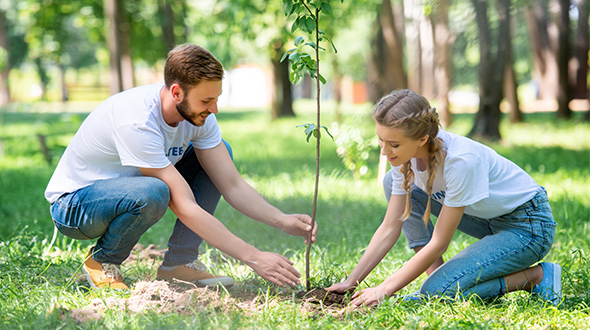
community helping to plant new trees

Active community participation in tree planting initiatives fosters stronger urban and rural environments, ensuring long-term ecological sustainability. Engaging local communities in tree planting fosters environmental awareness and ownership of conservation efforts. Community-driven tree planting initiatives promote local stewardship, enhancing the overall quality of life and environmental health.

By involving communities in tree planting efforts, we can create a collective sense of responsibility towards the environment. This engagement not only supports the growth of green spaces but also fosters a culture of conservation and sustainability.

Tree Air Cleaning Summary

Trees play an indispensable role in cleaning the air, improving urban air quality, enhancing human health, and mitigating climate change. They absorb harmful gaseous pollutants, capture particulate matter, and release clean oxygen, significantly improving the air we breathe. Urban trees reduce ground-level ozone, block toxic pollutants, and cool urban areas, contributing to healthier and more comfortable living environments.

Protecting mature trees and promoting the planting of native species are critical for maintaining ecological balance and ensuring long-term environmental health. Community involvement in tree planting initiatives fosters a sense of stewardship and promotes sustainable urban and rural landscapes. By understanding and appreciating the vital role of trees, we can take action to protect and enhance our green spaces, ensuring a healthier and more sustainable future for generations to come.

Clean the Air Frequently Asked Questions

How do trees clean the air?

Trees effectively clean the air by absorbing gaseous pollutants and capturing particulate matter, while also releasing oxygen through the process of photosynthesis. This natural filtration contributes significantly to improving air quality.

What impact do urban trees have on air quality?

Urban trees play a vital role in enhancing air quality by significantly reducing airborne pollutants such as particulate matter and nitrogen oxides. Their presence contributes to healthier urban environments by filtering harmful substances from the air.

How do trees help in reducing respiratory issues?

Trees effectively reduce respiratory issues by absorbing harmful pollutants, including nitrogen oxides and particulate matter, thereby alleviating conditions such as asthma. Their presence fosters cleaner air, promoting better respiratory health.

Why is it important to conserve mature trees?

Conserving mature trees is crucial because they significantly contribute to carbon storage, pollutant filtration, and support a higher level of biodiversity compared to younger trees. Protecting these natural resources is vital for a healthier environment.

How can communities contribute to tree conservation and planting efforts?

Communities can significantly enhance tree conservation by engaging in tree planting initiatives, which promote environmental awareness and sustainable landscapes. Active participation fosters a sense of stewardship that benefits both the community and the environment.

Todd’s Marietta Tree Services

Marietta, GA
(678) 505-0266

Originally published on: https://www.toddsmariettatreeservices.com/how-do-trees-clean-the-air/

Tuesday, July 29, 2025

How Does Planting Trees Help the Environment?

how does planting trees help the environment

A single mature tree absorbs approximately 48 pounds of carbon dioxide annually—enough to offset a daily commute for the average American. While most people understand that trees are beneficial for the planet, science reveals environmental benefits that extend far beyond common knowledge.

Trees serve as nature’s multitasking powerhouses, simultaneously addressing climate change, air pollution, water management, biodiversity loss, urban heat, and soil degradation. Understanding how planting trees helps the environment requires examining the intricate ways these remarkable plants interact with Earth’s interconnected systems.

This comprehensive toddsmariettatreeservices.com guide examines seven key environmental benefits of tree planting, supported by research and real-world case studies. From carbon sequestration to ecosystem support, you’ll discover why reforestation efforts represent one of the most effective nature-based solutions available today.

Climate Change Mitigation Through Tree Planting

Trees fight climate change through their remarkable ability to absorb and store carbon dioxide from the atmosphere. During photosynthesis, trees capture CO2 and convert it into biomass, effectively removing this greenhouse gas from the air we breathe.

Carbon Sequestration Capacity

The numbers behind tree carbon storage are impressive. A mature tree can store up to 2,000 pounds of carbon dioxide over its lifetime, while continuing to absorb roughly 48 pounds annually. This absorption rate varies by tree species, with tropical forests demonstrating stronger cooling effects compared to temperate and boreal regions.

Collectively, forests remove approximately one-third of fossil fuel emissions annually, underscoring their crucial role in the global carbon cycle. Research indicates that scaling reforestation efforts globally could reduce atmospheric CO2 levels by 25% by 2050, providing a significant buffer against rising temperatures.

Household Carbon Offset Requirements

To put carbon sequestration in perspective, the average US household generates 20 metric tons of carbon emissions annually. Fully offsetting these emissions would require planting and maintaining about 400 mature trees, depending on species selection and regional growth conditions.

Fast-Growing vs. Long-Term Storage Species

Tree species selection significantly impacts carbon storage effectiveness. Fast-growing species like poplar, eucalyptus, and willow capture carbon rapidly but typically offer shorter-term storage unless the wood is preserved after harvest. Conversely, long-lived species such as oak and redwood sequester carbon more steadily and store it for centuries, particularly in old forests.

Air Quality Improvement and Pollution Reduction

urban trees natural air filters for pollution reduction

Urban trees serve as natural air filters, removing harmful pollutants and improving air quality in cities worldwide. This filtration occurs through two primary mechanisms: absorption via leaf stomata and particle interception on leaf surfaces.

Pollutant Removal Capabilities

Trees effectively remove various air pollutants, including nitrogen dioxide, sulfur dioxide, ozone, carbon monoxide, and particulate matter. The leaves trap dust, pollen, and smoke particles, which are subsequently washed away by rainwater, preventing their recirculation in the atmosphere.

One large tree produces enough oxygen for two to four people daily, while simultaneously filtering the air they breathe. In urban environments, trees can reduce air pollution within 100 feet of planting sites—a particularly significant benefit in cities with high vehicle emissions and smog, such as Los Angeles and Beijing.

Urban Health Benefits

The health impacts of urban trees extend beyond pollution removal. Case data from New York City demonstrates that community forests save approximately eight lives annually by removing toxins and reducing respiratory stress. Additionally, roadside trees improve indoor air quality by reducing pollution levels, creating healthier neighborhoods for residents.

For the largest cities facing severe air quality challenges, strategic tree planting represents a cost-effective approach to protecting public health and well-being. The trees’ ability to remove pollutants from the air provides immediate benefits to local communities.

Water Cycle Regulation and Watershed Protection

Trees play a vital role in managing Earth’s water cycle, influencing rainfall patterns, preventing floods, and protecting water quality. Their impact on water systems demonstrates how planting trees helps the environment through comprehensive watershed management.

planting trees helps watershed management

Rainfall Interception and Flood Prevention

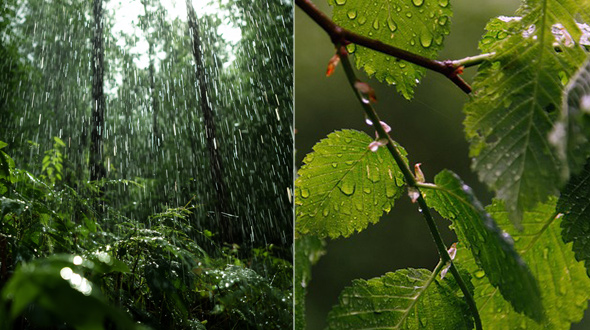
Trees intercept about 25% of rainfall before it reaches the ground, reducing immediate runoff and moderating flood intensity. Tree roots stabilize soil, allowing for enhanced water infiltration and long-term storage while filtering groundwater to remove harmful chemicals and excess nutrients.

This natural water management system helps prevent erosion on slopes and riverbanks, thereby protecting communities from flooding and storm damage. The ability of trees to manage rainwater flow represents a crucial ecosystem service, particularly as extreme weather events become more frequent.

Global Freshwater Supply

Forest watersheds provide approximately 75% of the world’s freshwater supply for drinking, agriculture, and industrial use. This statistic highlights the crucial link between forests and human water security.

Biodiversity and Ecosystem Support

Trees form the backbone of biodiversity, creating complex habitats that support a vast array of wildlife species. Understanding how planting trees benefits the environment requires recognizing their fundamental role in maintaining ecosystem health and conserving species.

Species Support Capacity

A single oak tree can support over 500 different species of insects, birds, and mammals, illustrating the foundational role individual trees play in ecological networks. This biodiversity support extends beyond direct habitat provision to include food sources, nesting sites, and shelter for various animals.

Wildlife Habitat and Migration Corridors

Forests provide habitat for countless wildlife species, from large mammals like elk to smaller animals such as squirrels. Connected forest corridors facilitate wildlife migration, ensuring genetic diversity and maintaining robust populations across landscapes.

Different tree species serve as keystone hosts for specific wildlife. Monarch butterflies depend on milkweed plants, while various fruit and nut trees provide essential food sources for birds and mammals. Tree hollows and bark support nesting for numerous animals and insects, while even decaying logs become substrates for fungi and shelters for amphibians.

Pollinator Conservation

Trees play a crucial role in pollinator support and maintaining food chain stability. Their flowers, fruits, and foliage support a diverse array of pollinators, including threatened bee and butterfly species. The loss or degradation of tree habitats can destabilize entire ecosystems, making tree planting essential for pollinator conservation.

Urban Heat Island Reduction

Urban trees provide natural cooling that counteracts the urban heat island effect, where built-up areas become significantly warmer than surrounding regions. This cooling capacity demonstrates another important way that planting trees helps the environment, particularly in cities facing extreme heat.

tree-covered neighborhoods

Temperature Reduction Benefits

Tree-covered neighborhoods are substantially cooler than areas without trees. This cooling occurs through two mechanisms: canopy shade that blocks solar radiation and evapotranspiration, where trees release water vapor that naturally cools surrounding air temperatures.

Energy Cost Savings

Strategic tree placement around buildings can reduce energy costs by up to 50%, depending on canopy density and positioning. By providing natural shading and cooling, trees reduce the need for air conditioning during hot weather, resulting in lower energy consumption and reduced greenhouse gas emissions.

Health and Economic Benefits

The cooling effects of urban trees have direct health benefits, particularly during periods of high heat. Cities with greater tree canopy coverage experience fewer heat-related illnesses and deaths. During a 2003 European heatwave, urban areas with more extensive tree cover had measurably lower mortality rates.

This cooling capacity also benefits local economies by reducing energy costs, improving comfort for outdoor activities, and making neighborhoods more attractive to residents and businesses.

Best Tree Species for Maximum Environmental Impact

Selecting appropriate tree species maximizes environmental benefits while ensuring long-term success. The best choices depend on local climate, soil conditions, and specific environmental goals.

Fast-Growing Species for Quick Impact

For rapid carbon sequestration and immediate environmental benefits, consider these fast-growing options:

  • Eucalyptus: Excellent for quick canopy establishment and carbon absorption
  • Poplar: Fast growth with good pollution filtering capabilities
  • Willow: Thrives in wet conditions and provides rapid biomass accumulation

These species offer quick initial results but may require careful water management, particularly in arid regions.

fast-growing tree species

Native Species for Long-Term Benefits

Native tree species provide the most sustainable long-term environmental benefits:

  • Temperate regions: Oak, maple, and hickory species support local wildlife and adapt well to regional conditions
  • Tropical areas: Focus on indigenous hardwoods that support local biodiversity
  • Arid climates: Desert-adapted species like mesquite or palo verde

Native trees typically require less maintenance, support a greater number of wildlife species, and integrate more effectively with existing ecosystems.

High Pollution-Absorbing Species

For urban environments with air quality concerns, these species excel at removing pollutants:

  • London Plane: Exceptional tolerance for urban pollution
  • Ginkgo: Highly effective at filtering airborne contaminants
  • Red Maple: Strong pollution absorption with attractive seasonal color

Fruit and Nut Trees

These species provide environmental benefits while producing food:

  • Support pollinators with spring blossoms
  • Provide habitat for birds and small mammals
  • Offer community food security benefits
  • Works well in urban community gardens and residential areas

Optimal Planting Density

For reforestation projects, plant 150-250 trees per acre, adjusting based on species requirements, site conditions, and restoration goals. Young trees need adequate spacing to develop properly while maximizing collective environmental benefits.

Soil Health and Erosion Prevention

Trees fundamentally improve soil health through multiple mechanisms, demonstrating another crucial way that planting trees helps the environment. Their impact on soil systems provides benefits that extend far beyond the immediate planting site.

Root System Benefits

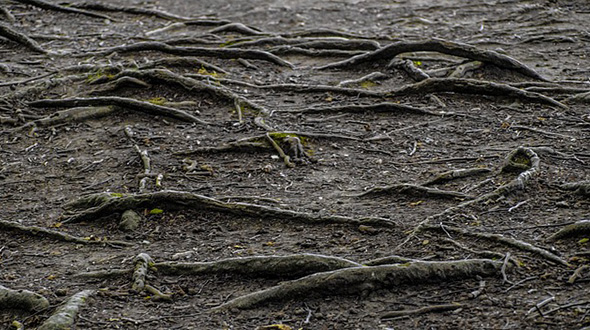
trees improve soil health and erosion

Tree roots anchor and stabilize soils, dramatically reducing erosion on slopes and riverbanks. This root network creates a natural defense against soil loss during heavy rains and storms, protecting valuable topsoil and preventing sediment from entering waterways.

The root systems also improve soil structure by creating channels that enhance water infiltration and air circulation, benefiting overall soil health and supporting other vegetation.

Organic Matter Enrichment

Trees continuously contribute to soil health through the decomposition of leaf litter. Fallen leaves create nutrient-rich compost that increases soil organic matter by up to 20% within a decade after planting. This organic matter improves soil fertility, water retention, and the ability to support diverse plant communities.

Mycorrhizal Networks

Tree roots form mutualistic partnerships with fungi, creating mycorrhizal networks that enhance soil nutrient cycling, water retention, and overall plant health. These underground networks represent crucial ecosystem infrastructure that supports forest resilience and biodiversity.

Land Restoration Success Stories

Real-world examples demonstrate the soil restoration potential of tree planting:

Haiti’s Reforestation Initiative: Following catastrophic deforestation that led to severe erosion and agricultural land loss in Haiti, a targeted tree-planting initiative combining native and fast-growing species has begun restoring soil fertility and agricultural productivity.

Ethiopia’s Re-greening Program: Large-scale tree planting has reversed desertification in many Ethiopian regions, restoring soil fertility, raising agricultural productivity, and rebuilding resilient rural livelihoods.

These projects show how trees can transform degraded landscapes into productive ecosystems that support both environmental health and human communities.

Challenges and Considerations for Effective Tree Planting

While the environmental benefits of tree planting are substantial, successful projects require careful planning and ongoing management. Understanding potential challenges helps ensure that reforestation efforts achieve their intended environmental goals.

Site-Appropriate Species Selection

Planting trees where they didn’t historically grow can sometimes create unintended consequences. Inappropriate species selection may alter local hydrology, potentially drying out water sources or outcompeting native plants and shrubs. This highlights the importance of choosing regionally appropriate species that complement existing ecosystems.

Water Management Considerations

In arid regions, extensive tree planting without proper water management can stress local water resources. When you plant and water trees in these environments, careful consideration of irrigation needs and drought tolerance becomes crucial for long-term success.

Long-Term Maintenance Requirements

Young trees require ongoing care, including watering, pruning, and protection from pests and diseases. Successful reforestation projects must include plans for long-term maintenance to ensure trees reach maturity and provide their full environmental benefits.

Economic Investment and Returns

Tree planting represents a significant investment, but the returns are substantial. Economic analysis suggest that every $1 invested in tree planting can return up to $5 or more in health, environmental, and economic benefits. This positive return on investment makes tree planting an economically sound environmental strategy.

The Future of Tree Planting for Environmental Protection

The scientific consensus strongly supports scaling up tree planting as a nature-based solution for environmental challenges. However, maximizing benefits requires strategic approaches that prioritize diversity, local adaptation, and integration with broader conservation efforts.

Global Policy Support

International initiatives, such as the UN Decade on Ecosystem Restoration, recognize trees as essential tools for addressing climate change, biodiversity loss, and environmental degradation. This policy supports the creation of opportunities for large-scale reforestation projects that can deliver significant environmental benefits.

Technology and Innovation

Advances in satellite monitoring, drone planting, and species selection are improving the efficiency and success rates of tree planting projects. These technologies help ensure that reforestation efforts achieve their environmental goals while minimizing costs and resource requirements.

Community Engagement

tree planting for environmental protection

Successful tree planting initiatives increasingly involve local communities in planning, implementation, and maintenance. Community engagement ensures that projects meet local needs while building long-term stewardship that protects environmental investments.

Organizations like the Arbor Day Foundation play crucial roles in educating communities about proper tree selection, planting techniques, and maintenance practices that maximize environmental benefits.

Tree Planting Conclusion

The question “How does planting trees help the environment?” has a multifaceted, science-backed answer. Trees play a critical role in addressing climate change by absorbing CO₂, improving air quality by filtering pollutants, regulating water cycles, and supporting biodiversity—with a single oak tree capable of hosting over 500 species. Additionally, they help reduce urban temperatures and contribute to soil restoration.

These environmental benefits demonstrate why trees represent one of nature’s most versatile and effective solutions for environmental challenges. From combating climate change to creating wildlife habitats, supporting water quality, and fostering healthier communities, trees deliver measurable results across multiple environmental systems.

The evidence is clear: strategic tree planting and forest protection provide essential tools for environmental stewardship. Whether you’re considering trees for your property, supporting community reforestation efforts, or advocating for urban forest expansion, remember that each tree planted contributes to a healthier planet for current and future generations.

Consider researching native tree species suitable for your region, supporting local tree-planting initiatives, or connecting with environmental organizations focused on reforestation. Every tree makes a difference in building the sustainable, resilient environment our world needs.

Todd’s Marietta Tree Services

Marietta, GA
(678) 505-0266

Originally published on: https://www.toddsmariettatreeservices.com/how-does-planting-trees-help-the-environment/