Showing posts with label Nature. Show all posts

Sunday, October 26, 2025

How Do Trees Clean the Air

Trees are natural air purifiers that absorb pollutants and release clean oxygen. They filter out harmful gases and particles, improving air quality. In this article, we will explore how trees clean the air and their importance to the environment.

how do trees clean the air

Key Takeaways

  • Trees serve as natural air purifiers by absorbing harmful pollutants, capturing particulate matter, and releasing clean oxygen, significantly improving air quality and human health.
  • Urban trees play a crucial role in mitigating ground-level ozone, blocking toxic pollutants, and cooling environments, thus enhancing the livability of city areas.
  • Protecting mature trees and planting native species is essential for biodiversity, carbon storage, and overall environmental health, necessitating community involvement for sustainable conservation efforts.

The Role of Trees in Air Pollution Removal

Trees are nature’s air purifiers, playing an integral role in reducing air pollution and improving air quality. They function as natural filters by absorbing harmful pollutants and releasing clean oxygen, benefiting both human health and the environment. Urban trees, in particular, are vital for filtering out airborne pollutants such as particulate matter and nitrogen oxides, significantly enhancing the air quality we breathe.

Across the United States, trees filter million tons of air pollutants annually, positively impacting respiratory health and contributing to ecological balance. Trees achieve this through three key mechanisms: absorbing gaseous pollutants, capturing particulate matter, and releasing clean oxygen.

Absorbing Gaseous Pollutants

Trees absorb gaseous pollutants through tiny openings on their leaves called stomata. This process involves the intake of harmful gases such as:

  • Sulfur dioxide (SO₂)
  • Nitrogen dioxide (NO₂)
  • Carbon monoxide (CO)
  • Ozone (O₃)

These gases are then converted inside the leaf. By absorbing these pollutants, trees help mitigate gaseous air pollution and reduce the adverse impacts of industrial processes and fossil fuel combustion.

Absorbing gaseous pollutants helps clean the air and reduce greenhouse gas emissions. Through the process called photosynthesis, trees convert carbon dioxide into oxygen, further enhancing air quality and promoting a healthier environment.

Capturing Particulate Matter

In addition to absorbing gaseous pollutants, trees are highly effective at capturing particulate matter from the air. Their leaves and branches act as natural filters, trapping tiny particles such as:

  • dust
  • soot
  • other contaminants

By capturing these particles, trees prevent them from remaining suspended in the atmosphere. This capability is particularly beneficial near roadways and industrial sites, where dense tree coverage can significantly reduce the concentration of toxic pollutants.

The impact of trees in filtering particulate matter is most effective within a distance of 100 feet, making urban trees essential for improving air quality in densely populated areas. Removing harmful particles improves respiratory health and overall well-being.

Releasing Clean Oxygen

One of the most well-known benefits of trees is their ability to release clean oxygen through the process of photosynthesis. During this process, trees convert carbon dioxide into oxygen, which is then released into the atmosphere, significantly enhancing the quality of the air we breathe.

photosynthesis - trees improving air quality

This continuous production of oxygen is vital for maintaining ecological balance and supporting life on Earth. The release of clean oxygen by trees not only contributes to improved air quality but also helps mitigate the harmful effects of air pollution on our respiratory systems and overall health.

How Trees Improve Urban Air Quality

Urban trees are indispensable for improving air quality in cities, where pollution is often a pressing issue. They reduce airborne pollutants, including particulate matter and nitrogen oxides, creating healthier environments for city dwellers. By filtering pollution and trapping harmful particles on their leaves and branches, urban trees play a critical role in mitigating particulate pollution.

Next, we’ll explore how trees help reduce ground-level ozone, block toxic pollutants, and cool urban areas.

Reducing Ground-Level Ozone

Ground-level ozone is a major contributor to urban smog, posing severe health risks. Trees help minimize ground-level ozone levels by providing shade, which cools the area and reduces the heat that contributes to ozone formation. This cooling effect is especially beneficial in cities, where high temperatures can exacerbate air pollution and increase the formation of smog.

Lowering ground-level ozone levels helps reduce acute respiratory symptoms, preventing over half a million cases annually. This reduction in respiratory issues highlights the crucial role trees play in maintaining healthy urban environments.

Blocking Toxic Pollutants

Trees serve as natural barriers against toxic pollutants, particularly in densely populated urban areas near busy roads and industrial sites. Through their leaves and branches, trees capture and filter out harmful pollutants from the air, acting as biological air filters that help to remove pollutants. Trees can absorb gaseous toxic pollutants such as nitrogen oxides, sulfur dioxides, and various chemical compounds, which are common in urban air.

Improved air quality from trees lowers respiratory issues, mitigating conditions like asthma and other lung diseases. The presence of trees supports community health by promoting cleaner air to improve air quality, leading to an overall increase in well-being and quality of life.

Cooling Urban Areas

Trees help cool urban environments by providing shade and releasing water vapor. This cooling effect can lower local temperatures by several degrees, reducing the need for air conditioning and mitigating energy consumption in nearby buildings. Trees can provide shade that not only enhances comfort but also contributes to improved air quality by reducing the heat that fosters air pollution. Additionally, trees remove pollutants from the air, further enhancing the benefits they provide.

Increased tree cover in urban areas correlates with fewer heat-related health incidents, which can lower heart disease rates. Thus, urban trees play a critical role in creating healthier and more comfortable living environments.

The Impact of Trees on Human Health

people under trees - impact of trees on human health

Trees provide numerous benefits to human health, both directly and indirectly:

  • Reducing air pollution enhances physical health.
  • Promoting outdoor activities supports weight management and overall well-being.
  • The cooling effects of trees lower energy consumption, contributing to a healthier environment.

Moreover, trees play a significant role in improving air quality, which directly impacts human health. Filtering pollutants and releasing clean oxygen, trees create healthier living conditions and reduce the harmful effects of air pollution.

Let’s explore how trees help lower respiratory issues, enhance mental well-being, and reduce heart disease risk.

Lowering Respiratory Issues

Trees help mitigate respiratory issues by:

  • Absorption of harmful pollutants that can exacerbate conditions like asthma
  • Reduction of airborne pollutants such as nitrogen oxides and particulate matter significantly lowers the incidence of respiratory diseases.
  • Filtration of harmful airborne particles, leading to improved lung function and better respiratory health

Trees act as natural barriers that protect communities from harmful pollutants near roads and industrial zones, reducing respiratory problems such as asthma and other lung diseases. Their collective impact in lowering airborne pollutants contributes significantly to healthier respiratory conditions in communities.

Enhancing Mental Well-being

Access to green spaces with trees significantly enhances mental health by alleviating stress and promoting physical activity. Exposure to tree-filled environments has been shown to decrease feelings of stress and improve overall mood. Interaction with greener spaces can lead to lower blood pressure and improved immune function, contributing to better mental and physical health.

The presence of more trees in urban areas provides a natural escape from the hustle and bustle of city life, offering a serene environment that fosters mental well-being. This connection to nature is essential for maintaining a balanced and healthy lifestyle.

Reducing Heart Disease Risk

Cleaner air, aided by trees, is associated with an increased risk of developing heart disease and related health problems. The reduction in air pollution due to tree coverage contributes to a decreased likelihood of developing cardiovascular diseases. Tree planting in urban areas improves various health conditions, including heart disease, stroke, and some cancers.

The overall impact of trees on health emphasizes their role in reducing the incidence of chronic conditions and promoting well-being. Improving air quality and providing a healthier environment, trees play a crucial role in enhancing human health while mitigating adverse health effects.

Trees and Climate Change Mitigation

Trees are pivotal in mitigating the effects of climate change by acting as natural carbon sinks. Trees absorb carbon dioxide from the atmosphere, store it in their biomass, and significantly lower greenhouse gas levels. This process helps reduce the overall concentration of greenhouse gases, contributing to a cooler and more stable climate.

healthy forest with diverse trees - role of trees in climate change mitigation

Older trees, in particular, have a higher capacity for carbon storage compared to younger ones, making their conservation essential. Conserving and planting trees enhances biodiversity, supports ecosystems, and combats climate change.

Let’s explore how trees store carbon dioxide, support biodiversity, and stabilize ecosystems.

Storing Carbon Dioxide

The biomass of trees is a crucial method of sequestering carbon, significantly lowering greenhouse gas levels in the atmosphere. Key points include:

  • A mature tree can absorb approximately 50 pounds of carbon dioxide annually.
  • Forests in the U.S. sequester approximately 800 million tons of carbon annually.
  • This sequestration accounts for a portion of national emissions.
  • These factors make trees invaluable in the fight against climate change.

Storing carbon dioxide, trees help reduce greenhouse gas emissions and promote a healthier environment. This carbon sequestration process is vital for mitigating the effects of climate change and ensuring a sustainable future.

Supporting Biodiversity

Native tree species are typically better suited for the local climate and soil conditions, enhancing their survival rates and environmental benefits. Forest ecosystems play a vital role in maintaining environmental health by providing habitats, improving air quality, and supporting diverse wildlife. Planting and preserving native species enhances biodiversity, which is crucial for ecosystems to adapt to changes and stresses like climate change.

Maintaining diverse forest ecosystems is essential for resilience against climate change and contributes to the overall health of our planet. The USDA Forest Service promotes the planting of native trees through the forest service to ensure a healthier and more sustainable environment.

Stabilizing Ecosystems

Trees help prevent soil erosion and maintain healthy soils, which is essential for adapting to climate-related changes. They contribute to regulating hydrological cycles, helping to maintain water availability vital for the ecosystem. Overall, trees are vital for ecosystem stability, ensuring resilience against climate change impacts.

Stabilizing ecosystems, trees support the balance of nature and promote a sustainable environment. Their role in maintaining soil health and water cycles is crucial for the resilience of ecosystems against climate change.

The Importance of Protecting and Planting Trees

Protecting existing trees and planting new trees are crucial steps towards ensuring a healthier environment and improved air quality. Mature trees play a significant role in carbon storage and air quality improvement, while newly planted trees enhance biodiversity and provide habitats for various species. Conserving existing trees and planting new ones ensure a healthier environment and better air quality for future generations.

Community involvement is essential in these efforts, as it fosters a sense of stewardship and promotes long-term sustainability of urban and rural landscapes. By actively engaging in tree planting initiatives, communities can contribute to environmental conservation and enhance their quality of life.

Conserving Mature Trees

Mature trees play a crucial role in sustaining the environment by:

  • Supporting biodiversity and providing essential habitat for wildlife.
  • Storing significantly more carbon in their biomass compared to younger trees, making them invaluable in combating climate change.
  • Having extensive leaf area and root systems that enhance their ability to filter pollutants from the air, thereby improving air quality.

Conserving mature trees is increasingly important for maintaining ecological balance and ensuring clean air for future generations. The benefits they provide in terms of carbon storage and air purification make them irreplaceable components of our environment.

Promoting Native Tree Species

Planting native trees is beneficial as they are adapted to local ecosystems and enhance air quality more effectively than non-native species. Native trees are better suited to local climates and soil conditions, providing superior benefits for air purification and overall environmental health.

Planting native trees is essential for maintaining local biodiversity and improving air quality. By supporting native species, we can ensure a healthier and more resilient environment that can better adapt to changes and stresses.

Community Involvement

community helping to plant new trees

Active community participation in tree planting initiatives fosters stronger urban and rural environments, ensuring long-term ecological sustainability. Engaging local communities in tree planting fosters environmental awareness and ownership of conservation efforts. Community-driven tree planting initiatives promote local stewardship, enhancing the overall quality of life and environmental health.

By involving communities in tree planting efforts, we can create a collective sense of responsibility towards the environment. This engagement not only supports the growth of green spaces but also fosters a culture of conservation and sustainability.

Tree Air Cleaning Summary

Trees play an indispensable role in cleaning the air, improving urban air quality, enhancing human health, and mitigating climate change. They absorb harmful gaseous pollutants, capture particulate matter, and release clean oxygen, significantly improving the air we breathe. Urban trees reduce ground-level ozone, block toxic pollutants, and cool urban areas, contributing to healthier and more comfortable living environments.

Protecting mature trees and promoting the planting of native species are critical for maintaining ecological balance and ensuring long-term environmental health. Community involvement in tree planting initiatives fosters a sense of stewardship and promotes sustainable urban and rural landscapes. By understanding and appreciating the vital role of trees, we can take action to protect and enhance our green spaces, ensuring a healthier and more sustainable future for generations to come.

Clean the Air Frequently Asked Questions

How do trees clean the air?

Trees effectively clean the air by absorbing gaseous pollutants and capturing particulate matter, while also releasing oxygen through the process of photosynthesis. This natural filtration contributes significantly to improving air quality.

What impact do urban trees have on air quality?

Urban trees play a vital role in enhancing air quality by significantly reducing airborne pollutants such as particulate matter and nitrogen oxides. Their presence contributes to healthier urban environments by filtering harmful substances from the air.

How do trees help in reducing respiratory issues?

Trees effectively reduce respiratory issues by absorbing harmful pollutants, including nitrogen oxides and particulate matter, thereby alleviating conditions such as asthma. Their presence fosters cleaner air, promoting better respiratory health.

Why is it important to conserve mature trees?

Conserving mature trees is crucial because they significantly contribute to carbon storage, pollutant filtration, and support a higher level of biodiversity compared to younger trees. Protecting these natural resources is vital for a healthier environment.

How can communities contribute to tree conservation and planting efforts?

Communities can significantly enhance tree conservation by engaging in tree planting initiatives, which promote environmental awareness and sustainable landscapes. Active participation fosters a sense of stewardship that benefits both the community and the environment.

Todd’s Marietta Tree Services

Marietta, GA
(678) 505-0266

Originally published on: https://www.toddsmariettatreeservices.com/how-do-trees-clean-the-air/

Friday, August 29, 2025

How to Tell if a Tree is Dead or Dormant?

Not sure how to tell if a tree is dead or dormant? Identifying the difference is crucial for proper care. This article will guide you through easy tests, such as bark scratching and bud checks, to determine your tree’s health.

how to tell if a tree is dead or dormant

Key Takeaways

  • Dormancy in trees is a natural survival mechanism that slows metabolism during cold months, and it can be distinguished from a dead tree through specific signs and tests.
  • To assess dormancy, one can perform the scratch test, inspect buds, and check branch flexibility. Indicators of a dead tree include peeling bark, fungus growth, and a lack of leaf growth in spring.
  • If a tree is confirmed dead, immediate removal is essential for safety; professional services should be engaged to ensure accurate assessments and effective management of tree care.

Understanding Tree Dormancy

Tree dormancy is similar to hibernation in animals. During this time, a tree’s metabolism slows, and it stops producing leaves to conserve energy and survive the cold weather months. This mechanism helps trees withstand harsh winter conditions by lowering their metabolic needs. Dormancy typically begins in the fall and lasts through winter, triggered by shorter days and colder temperatures. A dead or dormant tree is a natural part of this cycle.

Deciduous trees shed their leaves to protect against freezing temperatures, while evergreen trees have waxy leaf coatings to retain moisture. Grasping this process helps determine if a tree is dead or dormant. Recognizing dormancy signs enables proper care and avoids unnecessary tree removal.

Signs Your Tree is Dormant

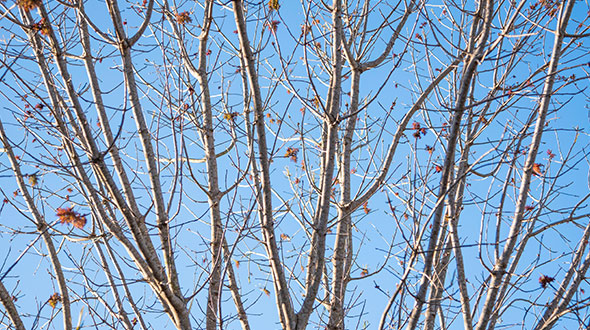
signs of a dormant tree with brown leaves - close-up

Dormancy allows trees to conserve energy during unfavorable conditions, typically in the colder months. Signs include shedding leaves and reduced chlorophyll, resulting in changes in leaf color. Regular visual and physical checks can help ascertain if a tree is dormant, not dead.

Methods like the scratch test, bud inspection, and branch flexibility tests effectively check for dormancy. Keeping a seasonal journal or taking photos can also help track symptoms or improvements in your tree’s condition.

These methods will be explored in the following subsections.

Scratch Test

The scratch test is a simple yet effective method for determining whether a tree is dormant or dead. It involves gently scratching the bark to reveal the cambium layer beneath, which is green and located within the trunk and branches.

A green cambium layer indicates that the tree is still alive and likely dormant. If the cambium appears dry and brown, it indicates that the tree is likely dead. This straightforward test offers quick insights into your tree’s health.

Bud Inspection

Inspecting the buds on your tree is another reliable method for checking dormancy. New buds strongly indicate dormancy, not death. Look for buds at the ends of branches or from the crown.

New buds suggest the tree is in a resting phase and will likely produce new leaves when conditions improve. If some branches have buds present while others do not, those branches may wait to break dormancy.

Branch Flexibility

Branch flexibility tests can help determine your tree’s health:

  • Flexible branches usually indicate life.
  • Gently bend a small branch or twig; if it bends without breaking, the tree is likely alive.
  • If it can snap easily and is brittle, it may indicate that part or all of the tree is dead.

Thus, testing branch flexibility is crucial for assessing whether a tree is dead or dormant.

Indicators of a Dead Tree

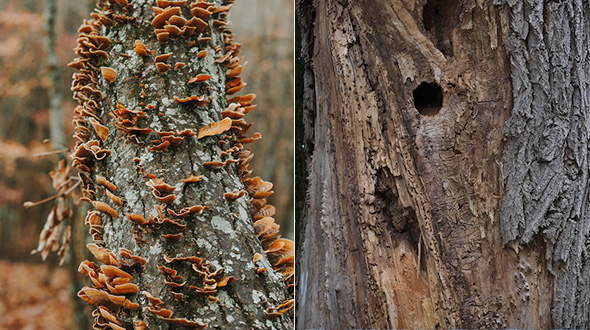
dead tree signs - peeling bark, fungus, and tree trunk cavities

Identifying a dead tree is crucial for safety and preventing potential damage. Indicators include:

  • Leaves are turning brown without falling
  • Sudden leaning, which could signal root problems or structural issues, should be assessed by a professional
  • Trunk cavities or rot

Root issues are particularly challenging to identify, as they are usually hidden; however, visible symptoms, such as mushroom growth, can indicate problems. Regular tree assessments help identify potential risks posed by deteriorating trees.

Peeling Bark

Peeling bark is a significant indicator of tree health. Large sections of missing bark may indicate decay. Observing bark condition helps determine if a tree is alive or dead.

Struggling to regenerate bark suggests declining health. Hence, inspecting the bark for peeling or missing sections is crucial in assessing if a tree is dead.

Fungus Growth

Fungal growth on the tree trunk is a visual cue indicating potential health issues related to disease. It is a clear good sign of internal decay and should not be ignored.

Fungus on a tree is a strong indication of potential internal decay. This often signals the need for immediate action to address the problem.

No Leaf Growth in Spring

A lack of leaf growth by late spring typically signals a dead tree. During the spring, trees typically produce new leaves as part of their annual growth cycle. If your tree fails to show new leaf growth when spring arrives, it usually indicates a dead tree.

This is one of the most definitive indicators that a tree is no longer dying.

Assessing Hard-to-Reach Sections

Assessing tree health involves:

  • Evaluating the entire tree, including hard-to-reach sections, for a comprehensive evaluation.
  • Conducting regular evaluations every three years to maintain tree health.
  • Testing multiple branches to determine the tree’s overall status.

The trunk plays a crucial role in a tree’s health, as it transports water from the roots to the branches and leaves. Certified arborists are trained to identify issues that may not be visible to the untrained eye, making professional assessments more thorough.

What to Do If Your Tree is Dormant

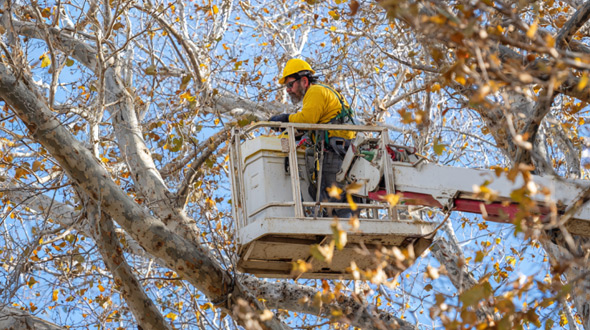
arborist inspecting a tree to determine if it is dormant or dead

If your tree is confirmed dormant, several steps can ensure its health. Dormant pruning removes dead or damaged branches, helping the tree conserve energy and focus on healthy growth. Fertilizing in early spring or fall helps replenish nutrients.

Deep root watering can prevent dehydration in dormant trees, especially during dry winters. Applying mulch before dormancy helps protect roots and stabilize soil conditions and temperature.

Keeping a seasonal journal helps track changes in your tree’s condition during dormancy, ensuring you provide the best care possible.

What to Do If Your Tree is Dead

If you’re wondering, Should I Remove That Dead Tree in My Yard?, the answer is yes! If your tree is confirmed dead, it is crucial to remove it immediately. Dead trees pose serious dangers, including the risk of falling, which can cause injury or damage. For removal, it is advisable to contact a professional service, such as Todd’s Marietta Tree Services.

Failing to remove a dead tree can lead to property damage, unexpected repair costs, and medical expenses if it collapses. After removal, consider chipping the wood for mulch or contacting your local waste management service for disposal.

Promptly removing a dead tree minimizes risks and ensures the safety of your surrounding trees and healthy trees.

When to Call a Professional

If you’re unsure whether your tree is dead or dormant, it’s best to call a professional for an assessment. Here’s why:

  • Dead trees significantly affect safety due to their increased likelihood of falling.
  • An arborist can confirm the tree’s state.
  • They can determine the causes of the tree’s condition.
  • They can recommend recovery solutions.

Professional services can assist with tree removal, pruning, and storm cleanup, especially during winter storms. If the tree is large or in a complex location, hiring a professional for removal is advisable.

Trained professionals offer a free consultation and are equipped to handle various tree-related issues safely and efficiently.

Dead vs Dormant Tree Summary

dead vs dormant tree

Determining whether a tree is dead or dormant is crucial for maintaining a safe and healthy environment. Understanding tree dormancy, recognizing the signs of dormancy, and identifying indicators of a dead tree are essential skills for any tree owner.

By following the steps outlined in this guide and seeking professional assistance when necessary, you can ensure the health and safety of your trees and the surrounding environment. Remember, a healthy tree not only enhances the beauty of your landscape but also contributes to a healthier ecosystem.

Frequently Asked Questions

How can I tell if my tree is dead or dormant?

To determine if your tree is dead or dormant, you can perform a scratch test on the bark, inspect the buds for signs of life, and assess branch flexibility. These methods will provide clarity on the tree’s condition.

What should I do if my tree is dormant?

If your tree is dormant, prune any dead branches, fertilize in early spring or fall, water it deeply, and apply mulch to protect its roots. This care will help the tree thrive once it becomes active again.

When should I call a professional for a tree assessment?

You should consult a professional for a tree assessment if you have concerns about the tree’s health or if it poses risks due to its size or location. A professional can provide an accurate evaluation and recommendations for care.

Why is peeling bark a sign of a dead tree?

Peeling bark is a clear indicator of a dead tree, as it suggests the tree is decaying and unable to regenerate, reflecting its poor health.

What are the dangers of not removing a dead tree?

Failing to remove a dead tree can lead to significant dangers, including the potential for it to fall and cause injury or property damage, as well as attracting pests and promoting decay. It is essential to address this issue promptly to ensure safety and protect your property.

Todd’s Marietta Tree Services

Marietta, GA
(678) 505-0266

Originally published on: https://www.toddsmariettatreeservices.com/how-to-tell-tree-dead-dormant/

Tuesday, February 25, 2025

20 Fun Facts About Trees

Did you know some trees can live for thousands of years or that they can communicate underground? Dive into toddsmariettatreeservices.com list of fun facts about trees, and discover some amazing secrets of nature.

fun facts about trees

Key Takeaways

  • Trees can live for thousands of years, with some species like Methuselah believed to be over 4,800 years old.
  • Through specialized underground networks, trees communicate and support each other, sharing nutrients and warning of threats.
  • Trees play a crucial role in urban environments by reducing stress, improving air quality, and lowering energy costs.

Trees Never Die of Old Age

Did you know that trees never die of old age? Species like the Great Basin bristlecone pine can live for thousands of years. One such tree, known as Methuselah, is around 4,800 years old, predating the construction of the Egyptian pyramids. Even older might be the Alerce Milenario in Chile, which could be up to 500 years Methuselah’s senior. These ancient giants thrive in harsh, high-elevation environments, which help them live for millennia.

a bristlecone pine tree

Another fascinating example is Pando, a clonal colony of quaking aspen in Utah, considered one of the oldest living organisms. Pando’s root system is estimated to be thousands of years old.

These examples show how resilient and enduring trees can be, living far beyond human lifespans and witnessing the rise and fall of civilizations.

Tree Rings Tell Stories

Tree rings are more than just age indicators; they are storytellers of the past. Dendrochronology, the scientific method of dating trees by their rings, can reveal histories of volcanic eruptions, earthquakes, forest fires, and more. Each ring represents a year of growth, and the thickness of the rings can tell us about environmental conditions during different periods.

tree rings showing the history of a tree's growth

Thick rings indicate years of good growth with favorable conditions, while thin rings signify scarce resources. Darker rings represent growth towards the end of the growing season, providing further insights into seasonal cycles. These patterns help scientists interpret past climate conditions and predict future environmental changes.

Trees Communicate Underground

The mycorrhizal network, a secret underground connection, links trees like the internet. Through this network, trees exchange essential nutrients such as nitrogen and phosphorus. In return, they provide sugars from photosynthesis to the fungi, creating a symbiotic relationship.

Older trees, often called ‘mother trees,’ play a crucial role in supporting younger trees by sharing nutrients through these underground connections. Even more fascinating is that trees can recognize and preferentially support the tree roots of their relatives.

This network also allows trees to send chemical signals to warn nearby trees about potential threats, such as insect attacks. The Wood Wide Web is a testament to the complex and interconnected lives of trees.

Moon Trees: A Space Odyssey

Have you ever heard of Moon Trees? These unique trees grew from seeds that traveled to the moon aboard Apollo 14. Collected as part of an experiment to determine whether space travel would impact their growth, the seeds were brought back to Earth and planted across the United States. Remarkably, they thrived just like their Earth-bound counterparts.

These Moon Trees are living symbols of human curiosity and our quest to understand the universe. They stand as a reminder that even in the vast expanse of space, the simple act of planting a tree can connect us back to our roots on Earth.

Trees Can Reduce Stress and Improve Well-being

the calming effect of trees

Spending time around trees can significantly lower stress levels. Exposure to nature reduces cortisol, the stress hormone. Trees have been shown to lower blood pressure, reduce anxiety, and even enhance feelings of kindness. Engaging with forest environments can improve mental clarity and focus.

Natural settings can reduce symptoms in children diagnosed with ADHD. Historically, trees have been associated with healing practices, where illnesses were believed to be transferred from humans to trees. This connection between trees and well-being is a timeless testament to their importance in our lives.

Trees Are Natural Air Conditioners

Trees are nature’s air conditioners. A single large oak tree can have the same cooling effect as ten air conditioners, significantly reducing temperatures in urban settings. Trees cool the Earth’s air and surface temperatures through natural processes, providing shade that lowers ground temperatures and releases water vapor into the air.

Their roots obtain water from the soil, which is essential for the cooling process. Trees planted in urban areas decrease residential energy consumption, making neighborhoods more energy efficient. This natural cooling mechanism not only helps the environment but also lowers energy costs.

Planting Trees Lowers Energy Costs

Strategically planting trees around homes can reduce energy costs. Trees provide shade in the summer, cooling homes by up to 20 degrees, and act as windbreaks in the winter, lowering heating energy needs.

This simple act of planting trees not only beautifies our surroundings but also makes our living spaces more energy-efficient. It’s a win-win situation for both the environment and our pockets.

Trees Absorb Carbon Dioxide

Trees are vital in combating climate change by absorbing carbon dioxide (CO2) and releasing oxygen. A mature tree can absorb over 48 pounds of CO2 each year, contributing significantly to overall CO2 reduction. In urban areas, trees help remove more than 18,000 tons of air pollution annually, providing significant health benefits and reducing healthcare costs.

Urban trees save around $7.8 billion annually in energy costs while reducing emissions from power plants. These benefits make trees a crucial ally in our fight against climate change.

Dead Trees Create New Life

a decaying dead tree supporting new plants

Dead trees, often called snags, play a vital role in ecosystems. They provide nesting sites for various bird species and create habitats for numerous wildlife species, including mammals and insects. Dead trees retain moisture and nutrients, supporting new plants and wildlife.

Logs also serve as sunbathing spots for reptiles, helping them regulate their body temperature. This cycle of life and death in forests shows how dead wood creates new life, sustaining the ecosystem.

Unique Tree Species Around the World

The world is home to some truly unique tree species. The Rainbow Eucalyptus is notable for its vibrant multi-colored bark, which changes hues as it sheds layers, revealing blue, green, orange, purple, red, and yellow. The Dragon’s Blood tree is known for releasing red sap when injured, which hardens into resin.

the dragon's blood tree dracaena cinnabari

The Dwarf Willow is recognized as the smallest tree species in the world. These unique trees showcase the incredible diversity of tree species that exist around the globe, each with its own set of fascinating characteristics.

Trees Have Been Sacred Throughout History

Throughout history, many cultures have considered certain trees to be sacred. Oak trees, for example, were believed to be homes for spirits or deities. The sacred fig tree, Ficus religiosa, is revered in Buddhism, Hinduism, and Jainism as it is associated with the enlightenment of Buddha.

In Greek mythology, oak trees were inhabited by nymphs known as hamadryads. The ‘World Tree’ concept appears in several cultures, acting as a connection between heaven, Earth, and the underworld.

The Wollemi pine once thought to be extinct for 150 million years, was discovered in Australia and has roots dating back to the Jurassic period.

The World’s Tallest and Oldest Trees

Hyperion world tallest coastal giant redwood tree

The tallest tree in the world is Hyperion, a coastal redwood. The tallest tropical tree is the Menara tree, a yellow meranti. Another giant is the Tualang, found in Borneo, identified as the tallest deciduous tree.

The world’s tallest trees include:

  • Hyperion, a coastal redwood, standing about 380 feet
  • Menara tree, a yellow meranti, which measures 330 feet in height
  • Tualang, found in Borneo, is identified as the tallest deciduous tree, reaching over 280 feet

On the other end of the spectrum, the Methuselah tree, a Great Basin bristlecone pine, is estimated to be between 4,800 and 5,000 years old, making it one of the oldest living trees. These trees are living monuments of nature’s grandeur and resilience.

Trees Help Improve Water Quality

Trees act as natural filters, capturing rainwater and minimizing the flow of pollutants into waterways. Planting trees within a watershed area enhances its health by filtering out sediment and toxins before they reach larger bodies of water. Their root systems absorb excess water, mitigating flood risks and preventing soil erosion.

Leaf canopies reduce rainwater erosion, and roots hold soil in place. Decomposing dead trees and mangrove trees enriches the soil with essential nutrients, promoting the growth of new plants and providing shade to streams, maintaining cooler water temperatures essential for aquatic life.

Some Trees Have Explosive Fruit

The sandbox tree, also known as the dynamite tree, is famous for its fruit that bursts open when mature, launching seeds at high speeds. The fruit can burst and launch seeds at speeds up to 70 meters per second. This explosive nature ensures better chances for germination as seeds are dispersed far from the parent tree.

The fruit’s design includes 16 segments that separate and release the seeds during the explosive process. This unique method of seed dispersal highlights the incredible adaptations of certain tree species.

Trees Provide Essential Habitats

stork birds nest and owl in a tree

Trees are vital to ecosystem health, providing essential habitats for thousands of animal species. They offer food, water, and homes for wildlife, including nesting sites for birds and mammals. A large oak tree, for instance, can drop up to 10,000 acorns in a year, serving as a crucial food source for various wildlife. Here are some interesting facts about trees.

Increased tree cover leads to a boost in biodiversity, supporting:

  • understory plants
  • non-flying mammals
  • bats
  • birds

Planting a single tree in open pastures can increase bird species from almost zero to as high as 80. This highlights the importance of tree conservation, especially as many species face threats from habitat destruction.

Cherry Trees and Cultural Significance

Cherry trees hold significant cultural value, especially in Japan, where they are known as ‘Sakura’ and symbolize beauty and transience. The cherry trees in Washington D.C. were a gift from Japan in 1912, symbolizing the friendship between the two nations. The original trees were ceremonially planted by First Lady Helen Taft and the Japanese Ambassador’s wife.

The annual Cherry Blossom Festival in Washington, D.C., celebrates the blooming of cherry trees and fosters cultural exchange. This festival, which started as a small ceremony, has grown into a major annual event, attracting thousands of visitors.

Eucalyptus Trees and Koalas

Eucalyptus trees and koalas

Eucalyptus trees are the primary food source for koalas, with over 900 species of eucalyptus in Australia. Koalas depend on eucalyptus trees for both habitat and food, consuming over a pound of eucalyptus leaves daily. Despite the leaves’ toxicity, koalas have specialized digestive systems that allow them to process and extract limited nutrients from the leaves.

Koalas obtain most of their moisture from eucalyptus leaves, rarely needing to drink water. They can sleep for 18 to 22 hours a day, primarily because their eucalyptus diet provides a low energy yield. This unique relationship between koalas and eucalyptus trees showcases the intricate dependencies within ecosystems.

Trees in Urban Areas Reduce Noise Pollution

Trees in urban areas play a significant role in reducing noise pollution. They intercept sound waves and absorb high-frequency sounds, helping mask unwanted noise. Leaves, twigs, and branches on trees absorb and deflect sound waves, enhancing the quality of life for urban residents.

Trees help create a more peaceful and serene urban environment by reducing noise pollution, making cities more livable. This natural sound barrier is yet another reason why urban tree cover is so important.

Apple Trees Take Time to Bear Fruit

apple trees

Apple trees are a lesson in patience for growers. Standard-sized apple trees may require up to eight years before they start producing fruit. However, dwarf apple trees typically begin to yield fruit within two to three years after planting. On average, apple trees take about four to five years to begin producing fruit.

This varying timeline among different types of apple trees requires growers to exercise patience and care. The reward, however, is worth the wait, as apple trees provide delicious fruit and beautiful blossoms.

Seeing Trees Helps People Heal Faster

Studies have shown that views of trees can help patients recover more quickly. Patients with views of trees tend to have shorter hospital stays compared to those without such views. Research indicates that hospital patients with views of trees require fewer pain medications and have fewer complications after surgery.

Exposure to green spaces lowers stress levels in hospital settings, contributing to overall well-being. This highlights the healing power of nature and the importance of incorporating green spaces in healthcare environments.

Fun Tree Facts Summary

Trees are far more than just part of the landscape; they are integral to our well-being, environmental health, and cultural heritage. From the ancient Methuselah tree to the vibrant Rainbow Eucalyptus, trees tell stories of resilience, connectivity, and diversity. They cool our cities, clean our air, and provide habitats for countless species. They even help us heal faster and reduce our stress.

By understanding and appreciating these 20 fun facts about trees, we can better appreciate the silent giants that share our world. Let’s take a moment to honor and protect these incredible organisms that repay us in so many ways. Planting trees is not just an act of gardening; it’s a contribution to the future of our planet.

Tree Fact Frequently Asked Questions

How do trees communicate with each other?

Trees chat with each other through underground networks formed by mycorrhizal fungi. This connection helps them share nutrients and warn one another about dangers.

What are Moon Trees?

Moon Trees are unique trees grown from seeds that traveled to the moon during the Apollo 14 mission, allowing scientists to study how moon conditions might impact seed growth on Earth. Isn’t it fascinating how they connect space exploration with nature?

How do trees help reduce stress?

Trees can significantly reduce stress by lowering cortisol levels and blood pressure while also alleviating anxiety and enhancing mental clarity. So, spending time in nature is a simple yet effective way to boost your mood!

Why do some trees have explosive fruit?

Some trees, like the sandbox tree, have explosive fruit to effectively disperse their seeds, ensuring they have the best shot at germination. It’s a clever survival strategy in nature!

How do trees improve water quality?

Trees improve water quality by acting as natural filters that capture rainwater, reducing pollutants entering waterways. Their deep root systems also help absorb excess water, decreasing flood risks and preventing soil erosion.

Todd’s Marietta Tree Services

Marietta, GA
(678) 505-0266

Originally published on: https://www.toddsmariettatreeservices.com/20-fun-facts-about-trees/