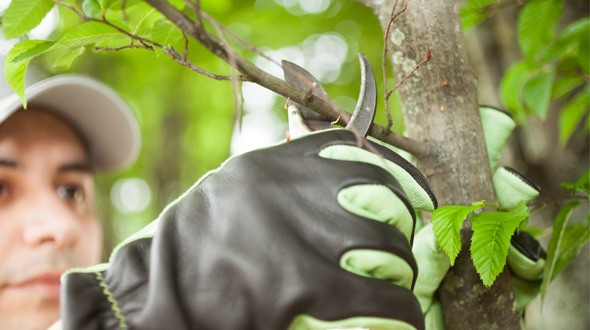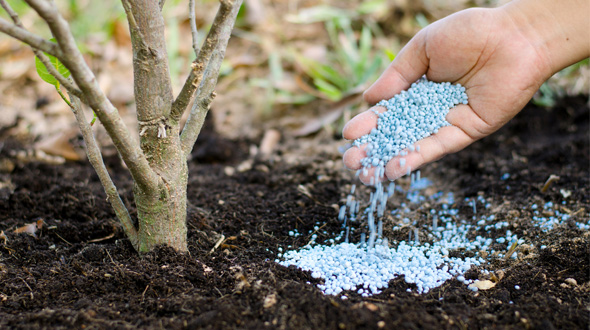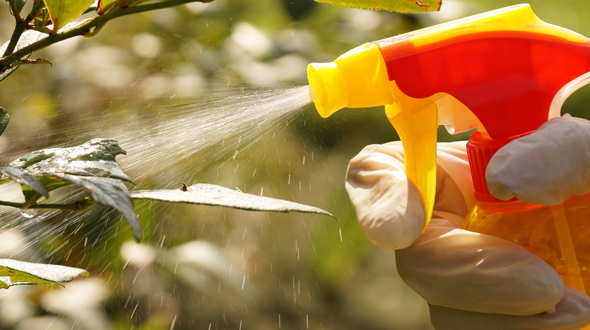
Controlling nasty tree pests is easy and you can do it without toxic chemicals. For more than two centuries, variations of homemade insecticidal soaps have been used to control invasive tree and garden insects.
Homemade insecticidal soaps are easy to use and safer than conventional or industrial pesticides. Using them will save you from unnecessary exposure to the components of store-bought pesticides.
In this article, the professionals at toddsmariettatreeservices.com explain how to make and apply homemade insecticidal soaps, how they work, and which insects to target.
How to Make Insecticidal Soap
The ingredients to make an insecticidal soap can typically be found in your kitchen or pantry and only require the use of a tablespoon, a measuring cup, a gallon jug, and a spray bottle.

This recipe yields 1/2 gallon of solution.
You will need:
Regular liquid dishwashing soap (Dawn, Lemon Joy, Ivory, etc. but not the ultra or special formula varieties)
Vegetable oil (peanut, corn, canola, sunflower, etc.)
Warm water (preferably filtered or soft water, but tap water will do)
Step 1 – Pour 1/2 cup of the vegetable oil In the measuring cup, and mix 3 Tbsp of the dishwashing soap with it. Mix well.
Step 2 – Pour the oil and dishwashing soap into a 1-gallon jug, then fill the jug with water to approximately the halfway mark.
Step 3 – Shake well and fill your spray bottle. Keep the remainder (left in the jug) in a cool, dry place. It will get used.
That’s it. You’ve made a basic insecticidal soap. Read on to learn how to apply it and what variations are needed for different insects.
How to Use Insecticidal Soap
Using these soaps is as easy as making them. Follow these steps to apply your homemade insecticide effectively.
Step 1 – Locate the infested or troubled area of your tree.
Step 2 – In the early morning or late afternoon, spray the solution directly on the insects and surrounding foliage.
Step 3 – Repeat Step 2 after one week. And again one week later.
Throughout this process, keep an eye on the foliage that is being treated. Some tree and plant species are more sensitive than others and may slightly wilt or change color. If this is the case, add more water to the solution to dilute it.
If the infestation persists after three weeks of treatment, call on a professional tree service to evaluate the severity of the infestation and what further steps should be taken to halt it.
Tree Bugs – Which Ones Are Affected?
The recipe above works best on soft-bodied insects which include:
• Aphids
• Scales
• Mealybugs
• Spider Mites
• Whiteflies
• Psyllids
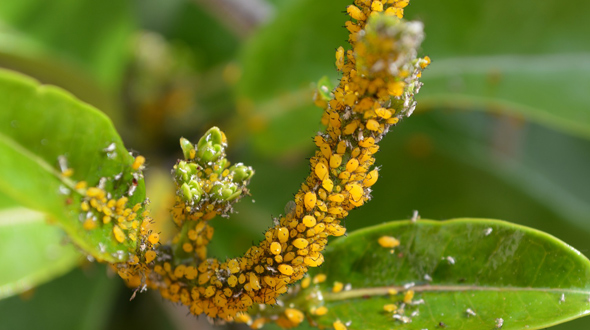
The solution is also effective against Boxelder bugs.
Control of the above insects typically results from either a disruption of their cell membranes or the removal of the waxes that cover the insect, resulting in death by dehydration.
Add 2Tbsp of peppermint oil to your mixture for hard-bodied insects such as:
Weevils
Springtail
Thrips
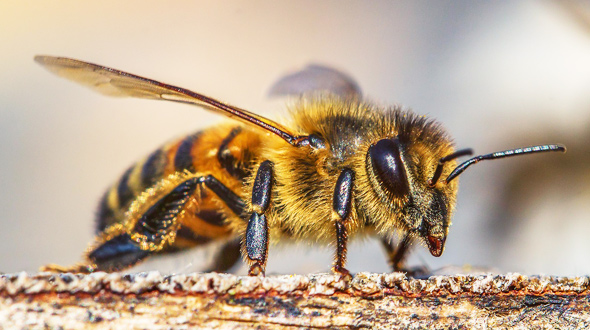
Beneficial insects like Lady Bugs, bees, and lacewings are not typically affected by soap sprays.
When the invading insects are beetles, the following recipe will help discourage them from burrowing into your tree.

This recipe yields 1 gallon of solution.
You will need:
1 cup dried cayenne peppers
1 cup rough chopped fresh jalapeño peppers
1 gallon water
Step 1 – Add the cayenne, jalapeño peppers, and 1/2 gallon of water together in a pot.
Step 2 – Bring the water to a boil and reduce to a simmer for 45 minutes.
Step 3 – Allow time to cool before straining out all of the solids.
Step 4 – Add the strained solution to a 1-gallon jug, then complete the jug with water.
Step 5 – Carefully pour the desired amount into a spray bottle. Keep the remainder (left in the jug) in a cool, dry place. (read below before use).
When applying this “pepper” solution to trees or plants, it is strongly advised to wear protective gloves and eyewear. Once applied, reapplication is only necessary after rain.
Homemade Bug Spray for Trees and Outdoor Plants
The recipes and application methods for the homemade insecticides above can be used on garden plants as well as trees. This easy to use alternative allows you to avoid using chemically produced and potentially hazardous pesticides.
In this article, we’ve detailed two basic homemade insecticide recipes and several variations to help you combat infestations from beetles, soft-bodied insects, and hard-bodied insects.
The benefit of using a homemade insecticide is that you can control pest issues while avoiding exposure to the harsh chemicals used in the production of industrial or commercial insecticides.
Sources:
http://cecentralsierra.ucanr.edu/files/170225.pdf
https://www.ctahr.hawaii.edu/UHMG/downloads/UHMG-home-recipes.pdf
http://extension.colostate.edu/topic-areas/insects/insect-control-soaps-and-detergents-5-547/
https://plus.google.com/+Toddsmariettatreeservices
Todd’s Marietta Tree Services
(678) 505-0266