Showing posts with label Tree Protection. Show all posts

Thursday, May 28, 2020

How To Protect Trees

How to protect trees with mulch proper planting location and wind protection

Allowing a tree to fall ill and die can impact other plants in your yard, or result in catastrophic damage to your property and wellbeing. By knowing how to protect trees from planting to maturity, you are giving them the best chance to thrive.

toddsmariettatreeservices.com gathered information about the steps you can take to protect your trees from multiple threats and hazards.

Right Tree Right Place

Before even planting a tree, your first measure of protection for it is to select an appropriate species along with choosing the best location to plant it. When choosing a tree species, consider the following:

• Do you prefer an evergreen or a deciduous tree
• Is it a flowering species
• Is the species cold hardy for your location on the USDA plant hardiness zone map
• Is the species an overstory or understory tree
• Is the species known to have invasive roots
• Has the species developed resistance to any local pathogens or pests
• What problems are the species known to develop as it matures
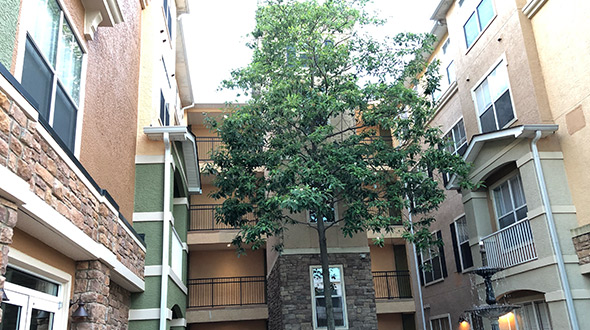
Right tree in the right place means the tree is suitable for the light wind rain soil and height of the tree

Once you have determined the species of the tree you would like to plant, it’s time to find the right location. When selecting the location of your new tree, take the following into consideration:

• Is the location sheltered from the wind
• Does the location receive full sun
• Is the soil well-drained
• Is the location far enough from structures and other trees to avoid root damage
• Are underground utility lines far from the location
• Look up. Is there anything overhead that could obstruct or interfere with the tree’s growth

When considering the location for your new tree, keep in mind that a growing tree cannot simply move a few feet to the left. As you select a planting location, remember that your tree will be in that spot for many decades.

Building and Structure Placement

As your landscape evolves, the protection of your trees must be at the forefront of your plans and designs. The following will help you make informed decisions about changes to your landscape and hardscape.

• Buildings, sheds, and fences can serve as wind blocks
• Keep new underground water, sewer, cable, and electrical lines far from your tree’s root system
• Keep patios, walkways, driveways, and other features from encroaching on the root plate (within the drip line) of your tree.

Fences structures and landscape features can protect trees from soil compaction and other dangers

Roots exist to absorb oxygen, water, and nutrients for the livelihood of the tree. Much of this process occurs in the top 6 to 8 inches of soil within the tree’s drip line (edge of the canopy). Trees can be best protected by having trenching, construction, and feature installation done outside the drip line, away from the tree.

Read more about tree protection during construction projects at toddsmariettatreeservices.com/protection-instructions-construction-landscaping-hardscaping/

Protect Your Tree from Soil Compaction

Soil compaction occurs when foot traffic, vehicle movement, equipment storage, or natural conditions cause the soil to compact and harden. This condition is particularly deadly when it occurs in areas surrounding trees. Tree roots are unable to absorb oxygen, nutrients, and water from compacted soil, and under these conditions will cause hydraulic failure and death of the tree.

The following are ways to protect your tree from soil compaction:

• Mulch the entire root plate
• Divert all foot traffic away from your trees
• Avoid storing parts and equipment of any kind under your trees
• Keep soil moist (not wet)
• Fence off trees during construction projects

Tree roots can be protected from temperature swings and from compaction when they are mulched with organic material

Read more about the benefits of mulching and how it helps prevent soil compaction at toddsmariettatreeservices.com/proper-mulching-techniques-around-trees/

Protect Your Trees From Freeze

Whether your tree is evergreen or deciduous, there are some risks to leaving it exposed to sustained freezing temperatures (below 32 degrees) as it matures. Winter tree injury can appear as the following:

• Dried out evergreen foliage
• Broken limbs and branches from snow/ice weight
• Southwest injury or sunscald

Winter injury can be avoided by more efficient watering, tree wrapping, and bark wrapping. Taking steps to protect your trees in the first three to five years of growth will help it defend itself from injury as it reaches maturity.

Protect trees from winter injury including dried out foliage broken limbs and branches or sunscald

Read more about winter protection for trees at toddsmariettatreeservices.com/how-to-protect-your-trees-winter/

Pruning, Cutting, and Emergency Tree Removal

One of the most critical measures of tree protection is pruning. As your tree matures, it can develop abnormal growth, become infested, suffer from a disease, and be damaged during severe weather events.

Pruning or cutting dead or diseased branches helps your tree direct its energy to new, healthy growth. When disease and infestations occur on the tree trunk, the only remaining option may be to remove the affected tree. This, at times, is the only way to save other healthy trees from suffering the same fate.
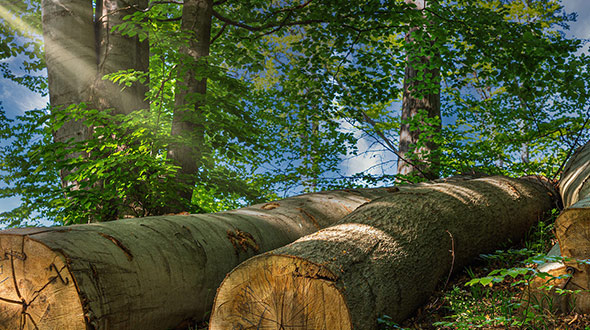
Tree protection includes periodic trimming cutting pruning and sometimes removal when a threatening disease or infestation is present

Read more about tree pruning, cutting, and emergency removal at toddsmariettatreeservices.com/right-time-cutting-pruning-emergency-tree-removal/

Tree Protection

Besides maintaining the tree(s) on your property, there are many other ways you can help protect trees in your community and around the globe. The following are ways you can participate in the reduction of demand for timber and help preserve our forests:

• Encourage stewardship
• Reduce the amount of paper you use
• Exchange paper products for those made of alternative material
• Recycle used paper
• Reuse gift bags
• Buy used wooden furniture
• Borrow, share, and donate books
• Switch to digital books and reading material
• Educate others
• Support reforestation efforts
• Plant a tree

Tree protection includes using less paper products and recycling the ones that we use

Any steps you take in the direction of tree protection and conservation add to a global movement to preserve our national and urban forests. Read more about encouraging stewardship and how tree ordinances are drafted and enacted at mortonarb.org/trees-plants/community-trees-program/protecting-trees

Preserving And Protecting Trees

In this article, you discovered information about how you can protect your trees from hazards and how to participate in the protection of trees in our urban and national forests.

By taking steps to protect your tree from its planting to its maturity, you can avoid the dangers of a sick or dying tree, causing significant damages when it falls.

Ignoring steps to protect trees can result in expensive damages and the abrupt loss of invested time and effort.

Sources:
canopy.org/tree-info/caring-for-trees/protecting-trees-from-freeze/
treessc.org/how-to-protect-a-tree/
extension.colostate.edu/topic-areas/yard-garden/protecting-trees-during-construction-7-420/
selectree.calpoly.edu/right-tree-right-place/
extension.umn.edu/soil-management-and-health/soil-compaction

Todd’s Marietta Tree Services

200 Cobb Pkwy N Ste 428 Marietta, GA 30062
(678) 505-0266

Originally published on: http://www.toddsmariettatreeservices.com/how-to-protect-trees/

Tuesday, June 19, 2018

Tree Protection Instructions During Construction, Landscaping, and Hardscaping Projects

Construction and landscaping equipment parked by tree

Construction, landscaping, and hardscaping projects all involve some level of planning and in many cases, the acquisition of land disturbance permits. Part of the planning for such projects should include the protection of existing trees on the site.

Nearly every municipality and county (nationwide) has created, adopted, or adapted a set of ordinances or codes which regulate how existing trees should be protected during land disturbance activities.

These ordinances serve to protect the health and vitality of trees, which is optimal when a tree’s roots and trunk are kept from being damaged and soil compaction is avoided.

The team at Todd’s Marietta Tree Services has compiled the following information to help you better understand the need to protect your trees, the ordinances that require it, and how to go about it during a construction or landscaping project.

Tree Ordinances Mandate Protection

Embedded within the municipal ordinances of nearly every city and county, you will find verbiage addressing tree protection, preservation, and removal. You will also find ordinances which address land disturbance activities, typically including the same concerns.

A great example can be found in the Marietta, Georgia Code of Ordinances under Zoning Ordinance in Division 712 section 8. The following are relevant tree protection excerpts from the section:

712.08 – Tree protection and landscaping.

… “D. Tree Preservation and Replacement.
A tree protection and landscaping plan shall be submitted with all other permit drawings as part of the building permit process on any non-exempt parcel of land.”…

… “All tree protection measures shall be installed prior to land disturbance and no land disturbance permit shall be issued for full site development without it being determined that the proposed development is in compliance with the provisions of these regulations.”…

… “E. Methods of Tree Protection.
1. The protective zone for designated tree save areas shall include no less than the total area beneath the canopy drip line of the tree(s).
2. Construction site activities such as material storage, concrete washout, burnhole placement, etc., may not encroach into designated tree protective zones.”…

… “F. Protective Barriers.
1. Prior to any land disturbance, active tree protective fencing shall be installed so that it surrounds the critical root zones of all protected tree zones, which is defined as the area beneath the canopy drip line”…

For a land disturbance summary and Marietta, Ga ordinance see: toddsmariettatreeservices.com/removal-permit-ordinance/marietta-ga/

Tree Root and Trunk Damage

Depending on soil conditions and the species of the tree, some roots will grow very close to the ground surface. Over time, they may protrude or be partially exposed.

Damage to these roots by vehicles, lawn mowers, or improper root cutting exposes the tree to fungal infection and pest infestation.

Likewise, damage to the trunk of a tree that cuts through or removes its bark may result in the same type of infections or infestations. Furthermore, if enough of the bark is removed from around the tree, girdling is likely to occur leading to the death of the tree. No equipment should ever be parked or stacked against a tree.

Tree trunk used to stack construction equipment

Girdling occurs when enough of the phloem (thin layer of sugars and nutrients beneath tree bark) is either removed or compressed to the point that it can no longer transport its sugars and nutrients throughout the tree.

Soil Compaction and Root Death

Tree roots depend on 3 components being present in the soil; nutrients, water, and air. When deprived of any of these components for long enough, the roots will die. The death of roots in this manner seriously compromises the health and stability of a tree.

Soil compaction occurs when heavy equipment, vehicles, or containers are stored, parked, or driven over the dirt. Compacted soil does not allow air or water to penetrate it, thus rendering the soil a sort of “death trap” for the existing roots within it.

Protective Barriers around Trees

Before the beginning of any construction, landscaping, or hardscaping project, protective tree fences or barriers should be properly erected around existing trees on the site.

All specifications within your local ordinances and permit should be adhered to at all times. Failure to properly protect trees may lead to the cancellation of your permit, fines, and/or the need to reapply for a permit.

The process of acquiring a tree permit from your local municipality is outlined in detail here: www.treeremovalpermit.com

Barrier Placement – Barriers should be placed just outside the drip line (outside of the extremity of the canopy) all the way around the tree. While feeder roots extend far beyond the drip line, it is the roots from the drip line to the trunk which must be protected from soil compaction and physical damage.

Tree canopy and drip line Marietta Ga

Types of Barriers – While specifications may vary from ordinance to ordinance, some of the common barrier attributes are as follows:

  • Barrier fencing must be at least 4 feet in height, entirely encompassing the tree.
  • Barrier material should be either wood and post, polyethylene fencing, chainlink, traffic barriers, or interlocking temporary fencing.
  • Fencing should be labeled “Tree Protection Zone” or “Tree Protective Zone”.
  • Tree barriers should be erected before any activity begins and removed only after all site work has been completed.

In addition to erecting the barriers, all contractors and sub-contractors should be notified of tree protection zones on the work site. Their blatant or inadvertent encroachment on these zones may constitute an ordinance violation which could potentially void your permit.

Watch this video to learn more about soil compaction at construction sites and how to protect tree roots.

Tree Health and Safety Is Everyone’s Responsibility

The trees within a city help to reduce air pollution, slow soil erosion, provide shade, filter impurities from ground water, promote a heathy ecosystem, and provide shelter for wildlife.

Tree ordinances and codes are written to offer guidelines for the proper care, preservation, or removal of trees when necessary. Ultimately, these codes are in place to preserve the overall canopy of a city.

Whether it be pruning, watering, mulching, fertilizing, or building a barrier around trees on a construction site, taking steps to keep trees healthy and safe is a responsibility that all residents share.

Source:
https://library.municode.com/ga/marietta/codes/code_of_ordinances?nodeId=COOR_ZOOR_DIV712SUUSRE_712.08TRPRLA

https://plus.google.com/+Toddsmariettatreeservices

Todd’s Marietta Tree Services

200 Cobb Pkwy N Ste 428 Marietta, GA 30062
(678) 505-0266

Originally published on: http://www.toddsmariettatreeservices.com/protection-instructions-construction-landscaping-hardscaping/

Tuesday, August 29, 2017

Saving Trees From Clinging Vines

Dying tree strangled by vines
Clinging or in simpler words unwanted vines can be challenging to deal with once they latch on to your garden landscape and trees.

Since vines grow and develop very fast, it won’t take long before they can lead to serious issues and even grow further despite your aim to deal with them.

Vines can rapidly creep into new spots; they develop inside tree canopies, sweep on to the edge of the buildings, and squeeze the life out of lower level plants and shrubs by strangling them and hindering them from being exposed to sunlight.

At Todd’s we cut and remove trees that have been damaged or killed from vines. Learn the best ways to deal and remove the deadly tree killing vines.

Vines Strangle, Smother And Kill Trees

Vines can easily creep their way with ease to the body of the trees. Then they smother and struggle them and once they reach a tree’s canopy, they prevent sunlight from showing in the leaves of the tree. As we know, sunlight is a form of energy for the plant and the vines against the tree compete for getting necessary nutrients and liquids.

An extra problem that emerges, is that when left uncontrolled and unhindered, ivy vines can fully conceal a tree’s trunk and its branches. As it smothers around and grows in length, it leads to trees and their branches falling without much resistance.

Troubled tree covered by clinging vines

Rich ivy layers prevent the tree’s bark exposure to clean air and microorganisms. Vines are damaging for the trees and should be dealt with. To learn more about the structural damages caused by vines, visit www.thetreecareguide.com/climbing-vines-tree-killers/

Severing Vines from Their Roots

You can severe the vines to their core around the root of the trunk with sharp garden clippers. If the tree is densely smothered in vines grown to more than inch, you will have to cut through the vine with extra caution and carefully remove it from the bark. The aim here is to severe all vines from their nutrient sources drawn from the soil so they will die off.

After you cut the vines from the root body, you’ll have to wait to see progress. It’s best to leave the rest of the ivy on the tree to dry off. Ivy creeps around a tree using a sticky substance combined with micro root hairs that adhere densely to the crevices of the bark.

There is a high risk of heavily ruining the tree if you decide to forcefully pull the ivy off its body. If you want you can take hedge shears to trim the ivy leaves. The leaves though will progressively shrivel and leave the tree exposed to more sunlight.

Tip: It’s best to wear garden gloves and a protective uniform to prevent any irritations whilst trimming the vines. Some vine species may cause major skin irritation and more serious issues.

Getting Rid of Vines and Their Roots

Get rid of all the vines by pulling the roots out of the soil within a 2 foot circle around the tree. This will prevent any future damage to the tree. It is ideal to do it once the soil is a bit moist after rain or watering.

A leaf or wood chip mulch 2 inches thick and three feet around the tree is recommended to maintain adequate moisture and block lawn mowers from reaching directly to the roots. Also make sure the mulch is at 3 inches distance from the trunk of tree to allow proper air circulation for the bark and leave any vines that try to grow back exposed.

Dying Vines Left on Your Tree

While many will quickly trim off the ivy off the tree once it’s dead, its complex creeping mechanism will still be active. So the best thing to do is to let the ivy dry out and fall off naturally, as to maintain the bark’s integrity.

Once a competitor (such as an invasive vine) has been eliminated, trees are fairly fast to recover. It is important to keep a watchful eye on the tree though, as damages may be more extensive and hidden by the vine’s foliage. Hence the importance of acting quickly when a vine makes your tree its host.

https://plus.google.com/+Toddsmariettatreeservices

Todd’s Marietta Tree Services

200 Cobb Pkwy N Ste 428 Marietta, GA 30062
(678) 505-0266

Originally published on: http://www.toddsmariettatreeservices.com/saving-trees-clinging-vines/

Tuesday, June 27, 2017

3 Tree Threat Prevention Tips

Tree support stakes used to strengthen the trunk and prevent wind damage
There are factors to which trees, both young and old, are vulnerable to. These factors range from environmental, animal, and even landscape and lawn care equipment. From contractors that are capable of damaging roots with their heavy machinery, to strong winds which blow off young trees, the list is almost endless.

To help prevent damage, Todd’s gathered a short list of potential threats. These tips would be useful in protecting your trees from being injured or damaged.

Guarding Trees from Wind Damage

Use support stakes – Durable metal or wood will act as your anchor and frame. You need to tie the tree to the frames using a soft fabric. Consider the amount of tension, as you should give a little room for the young tree to sway in the direction of the wind, but not much space that could allow the tree to break. The swaying will help in developing a good root system for the tree.

Use a protective covering for your trees – These covers will protect the tree from the invasion of pests, wind damage, and other factors. This protective covering should only be used only in the case of a serious wind looming. Otherwise, under normal weather conditions, you want the tree to absorb as much sunlight as it can. If you need to use a covering, place the cover from the top of the tree and use a tape to hold it in place at the trunk.

Protection from Deer Attacks

The young and tender bark of new trees appeal to deer. They feed off the lower limbs and are drawn to the rich taste. Deer also paw the soil around the tree and thus can damage the tree’s newly forming root system. However, worse of all, the males forcibly attack and damage the tree by rubbing their antlers against the bark.

two deer near a tree with bark damage

Protective barrier – A barrier like a fence should be built around the tree at a height of about 8-10 feet to prevent the animal from attacking the tree. The cages or fences must be adjustable to expansion as the tree grows, so as to give space for more growth and still prevent the tree from being attacked. Use chicken wire as the material for the construction.

Sprays will ward off deer – You can prevent deer attacks by using sprays that irritate their sense of smell. They are irritated by soap bars and hair, which you can put on ropes and hang on the limbs of the tree. You can create a homemade repellent, comprised of 94% water and 6% hot sauce. This solution upset their sense of taste and thwart further damage to your trees.

When possible, combine the two, as using the barrier and spray in conjunction produces a better result than either of the solutions being used separately.

Preventing Machinery Damage

Before any construction or lawn care maintenance is carried out, you should communicate the importance of preserving the integrity of your landscape and all plants. Some service providers are focused on cutting your yard and being done as quickly as possible. This can present an issue, given they are not careful around your trees and shrubs.

Consult with the contractor on the best measures to prevent your tree from being damaged. These situations should be considered before any work is done;

Heavy machinery – this can destroy your root system. With the equipment passing over the soil and roots, its weight can crush or compact the soil, resulting in less room for the roots to spread.

Heavy machinery operator – they may damage the root by injuring the bark of the tree, which may lead to decay of the tree. If this happens, look out for these warning signs toddsmariettatreeservices.com/troubled-tree-signs-symptoms/

Barriers or Fencing – a barrier should be erected around the tree covering even the outreaching branch, and preventing vehicular damage to the tree.

Damage Prevention for a Thriving Landscape

Whether it be wind, deer, or heavy machinery, your trees – young and mature – are at risk. Taking these minimal steps to protect them is an incredible investment in the future and beauty of your landscape.

https://plus.google.com/+Toddsmariettatreeservices

Todd’s Marietta Tree Services
200 Cobb Pkwy N Ste 428 Marietta, GA 30062
(678) 505-0266

Originally published on: http://www.toddsmariettatreeservices.com/3-tree-threat-prevention-tips/