Showing posts with label Tree Cutting Services in Marietta Ga. Show all posts

Wednesday, January 24, 2018

A Tree is Growing Too Close to My House – Trim or Remove It

Large trees growing in landscape too close to house

Whether the roots are growing protruding the foundation, or the canopy is large enough to graze the house, that tree has grown too close to your home.

Depending on the species and maturity of the tree in question, there are a few distinctions and options to explore before considering tree removal as a definitive solution.

Tree Roots Grow Far from the Trunk

Understanding how tree roots grow is important to protect your home and foundation. The reach of the tree roots is usually determined by the size of the trunk. For each inch at DBH (Diameter at Breast Height – diameter measured 4.5 feet above ground), the roots extend up to a foot and a half away from the trunk. With that calculation, a six inch trunk at DBH means the roots can extend up to nine feet away from the trunk in any direction.

Tree Roots Seek Water

The life of any tree depends on its root’s ability to find a water source. The ferocity at which tree roots accomplish this depends as much on the species as it does the availability of water. A great example is an aspen tree. It’s roots are extremely invasive, and will grow out and under structures very quickly, buckling concrete and foundation walls in the process.

Trimming Tree Roots

Not so fast. Before you go slicing into a tree’s roots, call on a tree service to evaluate the situation and provide the best solution. Otherwise, cutting into large roots will leave the tree susceptible to infestation and disease, while cutting the smaller ones only delays their inevitable nature of growing back.

Invasive tree roots buckle driveway

Also note that if the roots have grown beneath your driveway or home’s foundation, that itself has become part of the tree’s structural integrity. Cutting and removing those roots may allow the tree in a future storm to topple into your home.

Trimming and Pruning Your Tree Canopy

Properly pruning and trimming your tree will help to avoid damages caused by limbs repeatedly striking or falling onto your home. Knowing your species mature size – how large your tree will become – will help you determine other steps to take – if necessary.

When determining how far away from the home to plant a tree, take the following into consideration:

For Small Trees – Trees reaching 30 feet tall or less should be planted at least 10 feet from the home and other structures.

For Medium-Sized Trees – A medium-sized tree is one that reaches a maximum height of 70 feet. These trees should never be planted closer than 15 feet to a fixed structure or home.

For Large Trees – Trees that surpass 70 feet in height should be planted at a minimum of 20 feet from a home or property.

Canopy Size Matters Too – Knowing the tree’s average canopy size at full maturity of the tree is another way to determine a safe planting distance from a home. If the canopy has an average diameter of 20 feet, it should be planted at least 10 feet (half of the canopy size) from the home to allow the tree to reach its full spread.

Tree and Tree Root Removal

Innocent missteps when attempting to cut roots or over prune a tree may lead to the decline of your tree’s health and ultimate death. This scenario often results in the tree toppling during a storm, and potentially causing severe structural damage or fatalities.
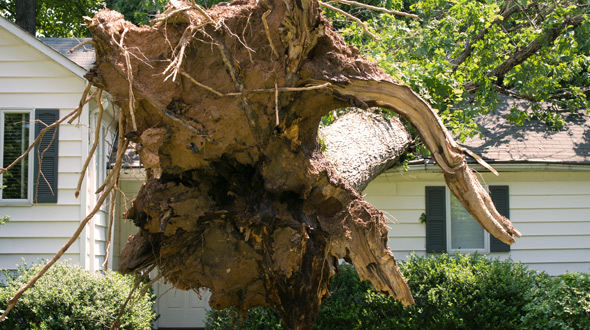
Large tree toppled onto home after root failure

INSURANCE TIP: If your tree was damaged, diseased, dying, or dead, and you knew but did nothing about it, when that tree falls and damages your property, don’t look to your insurer for help. Your neglect or disregard violates your policy, thus the tree damage is not covered, and the claim may likely be denied.

Do yourself and your tree the favor of seeking the advice of a tree service that is trained to identify tree problems and offer tree care, trimming, or removal solutions.

https://plus.google.com/+Toddsmariettatreeservices

Todd’s Marietta Tree Services

200 Cobb Pkwy N Ste 428 Marietta, GA 30062
(678) 505-0266

Originally published on: http://www.toddsmariettatreeservices.com/tree-growing-close-house-trim-remove/

Monday, November 27, 2017

Tips for Protecting Your Evergreen Trees and Shrubs this Winter

Evergreen plant in garden freezing temperatures

Winter is coming and it’s time that you took some steps to protect the biggest investments you’ve made in your garden. The ornamental shrubs, evergreens, and shade trees will need a little extra help to survive the harsh winter.

The cold temperatures and winds of winter can cause bleaching in evergreen trees. The roots, bark, and branches are also susceptible to additional damage that could injure or even kill them.

There is hope though, so don’t give up just yet! Read through our toddsmariettatreeservices.com guide on keeping your garden going during the harshest winter weather.

Protect and Hydrate Tree Roots

Everything begins with the roots. During the fall, all the way to the first freeze, you can take two important steps to keep roots hydrated and protected. Keep in mind that the temperature of the soil will drop at a slower pace than air temperature, and tree roots will start to die if soil temperature reaches less than 10 degrees fahrenheit.

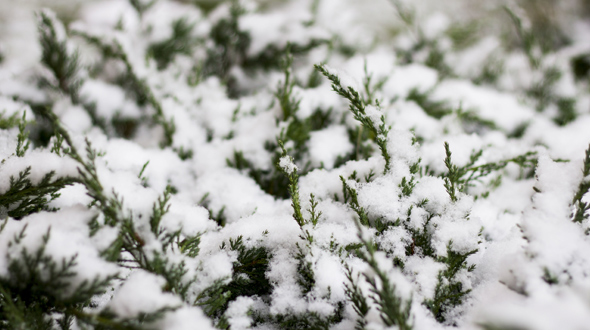
Evergreen shrub in winter covered with freezing snow

Watering in the Fall – Evergreens, woody plants, and freshly planted trees must be watered regularly during fall – particularly during dry fall seasons. If there is a deep freeze that causes the ground to freeze then roots are not able to draw moisture from the soil, making them dependent on the resources gathered during fall.

NOTE: The primary reason evergreens are damaged by winter is dehydration. Evergreens keep their foliage during the winter and continue transpiring. Without enough water to support themselves, their foliage can become burned or browned.

Thick Mulching – As we mentioned before, tree roots are damaged and killed by soil temperatures below 10F. As counterintuitive as it sounds, soil is better at holding heat when wet rather than dry. To keep roots growing during the fall and prevent damage in the winter, place 3 to 6 inches of organic mulch or wood chips around the trees and plants in your garden.

NOTE: If you live somewhere where temperatures stay below freezing for a long period of time, then use 6 to 8 inches of mulch for your trees, shrubs, and plants.

Is it Necessary to Wrap Trees?

It is not necessary to wrap trees if using evergreens based on the USDA Hardiness Zone map for your area and the trees have been given enough time to establish roots.

You do need to wrap trees for winter if they are newly planted or likely to suffer from dehydration or winter burn.

NOTE: As mentioned before, evergreens will get dehydrated because they continue to transpire throughout the winter. This means that evergreens are likely to suffer from winter-burn if they are not provided with enough water in the fall and haven’t stored enough to see them through the season.

A Little Common Sense And Preparation Helps Save Trees, Evergreens, and Shrubs

Knowing where you lie on the hardiness zone map and planting based on that location is the first step towards successful landscaping. Practice common sense through the year by pruning, trimming, protecting, and watering your trees and shrubs properly and your evergreens should stay alive and prosper for years to come. For tips on helping your deciduous trees, read this article toddsmariettatreeservices.com/deciduous-trees-dormancy-winter/

Each winter brings with it new challenges and each plant responds differently to them. While trees, shrubs, and plants have an incredible ability to overcome, they sometimes need you to intervene and support them to ensure they are not severely damaged.

https://plus.google.com/+Toddsmariettatreeservices

Todd’s Marietta Tree Services

200 Cobb Pkwy N Ste 428 Marietta, GA 30062
(678) 505-0266

Originally published on: http://www.toddsmariettatreeservices.com/tips-protecting-your-evergreen-trees-shrubs-winter/

Tuesday, August 29, 2017

Saving Trees From Clinging Vines

Dying tree strangled by vines
Clinging or in simpler words unwanted vines can be challenging to deal with once they latch on to your garden landscape and trees.

Since vines grow and develop very fast, it won’t take long before they can lead to serious issues and even grow further despite your aim to deal with them.

Vines can rapidly creep into new spots; they develop inside tree canopies, sweep on to the edge of the buildings, and squeeze the life out of lower level plants and shrubs by strangling them and hindering them from being exposed to sunlight.

At Todd’s we cut and remove trees that have been damaged or killed from vines. Learn the best ways to deal and remove the deadly tree killing vines.

Vines Strangle, Smother And Kill Trees

Vines can easily creep their way with ease to the body of the trees. Then they smother and struggle them and once they reach a tree’s canopy, they prevent sunlight from showing in the leaves of the tree. As we know, sunlight is a form of energy for the plant and the vines against the tree compete for getting necessary nutrients and liquids.

An extra problem that emerges, is that when left uncontrolled and unhindered, ivy vines can fully conceal a tree’s trunk and its branches. As it smothers around and grows in length, it leads to trees and their branches falling without much resistance.

Troubled tree covered by clinging vines

Rich ivy layers prevent the tree’s bark exposure to clean air and microorganisms. Vines are damaging for the trees and should be dealt with. To learn more about the structural damages caused by vines, visit www.thetreecareguide.com/climbing-vines-tree-killers/

Severing Vines from Their Roots

You can severe the vines to their core around the root of the trunk with sharp garden clippers. If the tree is densely smothered in vines grown to more than inch, you will have to cut through the vine with extra caution and carefully remove it from the bark. The aim here is to severe all vines from their nutrient sources drawn from the soil so they will die off.

After you cut the vines from the root body, you’ll have to wait to see progress. It’s best to leave the rest of the ivy on the tree to dry off. Ivy creeps around a tree using a sticky substance combined with micro root hairs that adhere densely to the crevices of the bark.

There is a high risk of heavily ruining the tree if you decide to forcefully pull the ivy off its body. If you want you can take hedge shears to trim the ivy leaves. The leaves though will progressively shrivel and leave the tree exposed to more sunlight.

Tip: It’s best to wear garden gloves and a protective uniform to prevent any irritations whilst trimming the vines. Some vine species may cause major skin irritation and more serious issues.

Getting Rid of Vines and Their Roots

Get rid of all the vines by pulling the roots out of the soil within a 2 foot circle around the tree. This will prevent any future damage to the tree. It is ideal to do it once the soil is a bit moist after rain or watering.

A leaf or wood chip mulch 2 inches thick and three feet around the tree is recommended to maintain adequate moisture and block lawn mowers from reaching directly to the roots. Also make sure the mulch is at 3 inches distance from the trunk of tree to allow proper air circulation for the bark and leave any vines that try to grow back exposed.

Dying Vines Left on Your Tree

While many will quickly trim off the ivy off the tree once it’s dead, its complex creeping mechanism will still be active. So the best thing to do is to let the ivy dry out and fall off naturally, as to maintain the bark’s integrity.

Once a competitor (such as an invasive vine) has been eliminated, trees are fairly fast to recover. It is important to keep a watchful eye on the tree though, as damages may be more extensive and hidden by the vine’s foliage. Hence the importance of acting quickly when a vine makes your tree its host.

https://plus.google.com/+Toddsmariettatreeservices

Todd’s Marietta Tree Services

200 Cobb Pkwy N Ste 428 Marietta, GA 30062
(678) 505-0266

Originally published on: http://www.toddsmariettatreeservices.com/saving-trees-clinging-vines/

Monday, July 24, 2017

The Right Time for Tree Cutting, Pruning, and Emergency Tree Removal

tree pruning and cutting marietta georgia
Our team at Todd’s is called to perform tree pruning on a regular basis. Pruning is when specific stems and branches are removed from a tree for the sake of the tree as a whole. Pruning is also used to thin the canopy of the tree and allow more sunlight and air to reach the tree; keeping it healthy and free from disease. Cutting is typically done to larger branches. Cutting is used to get rid of dead, damaged, and diseased branches to prevent organisms and insects from damaging the tree. Keep on reading to learn more about the benefits of pruning, cutting and emergency tree removal.

The Right Time for Pruning and Trimming Trees

Winter Pruning – Pruning a tree while it is dormant in winter is the most common pruning practice. It ensures that the tree grows plenty during the spring, making winter pruning the best choice if you want this effect for your own trees. It’s best to wait until the harshest and coldest parts of winter have passed to begin. Some tree species – such as birches and maple – can “bleed”. This is when sap flows from the tree. It’s not a harmful process at all and will stop when the tree begins to leaf out. So don’t worry about it.

Summer Pruning – Summer pruning is a good practice to direct growth by pruning the branches you don’t want to keep; a process known as dwarfing. This is when you inhibit the development of a particular tree or branch and it is best done following seasonal growth. The reason pruning slows down tree growth is that you are reducing how many leaves the tree has, which reduces how much food the tree can produce and send to roots to stimulate growth. Another reason for summer pruning is to correct the growth of the tree. It’s easier to see a defective limb and limbs that are weighed down by leaves during the summer. This makes it much easier to correct the issue.

When to Avoid Pruning – As fungi primarily spread pores during the fall, and trees recover slower in the fall, you should avoid pruning during the fall and just leave you shears and other tools in the shed. You can always prune during the winter or summer.

Take a look at our tree pruning and trimming service in action:

Cutting Branches and Limbs From Healthy Trees

There are several reasons that you will need to cut tree limbs; perhaps they are diseased or have died off; or they cross and rub against other tree limbs; or perhaps they are competing too aggressively with other branches and must be removed for the sake of the tree as a whole.

Another good reason to remove tree limbs is to raise or open up the canopy. This opens up the canopy to allow more sunlight and vertical clearance for trees. The best time to remove tree branches and limbs is during the winter. Diseases stay dormant during the winter and aren’t likely to infect and damage the tree through pruned limbs. If you cut open your tree during the winter then you’re just asking all the diseases and pests to damage your tree.

One thing to remember is that some trees will “bleed” after being cut, which is when sap leaks out of the wound. This can look a little unsightly – if not serious – but it’s completely harmless and not a sign of damage. Trees prone to heavy bleeding are beech, birch, maple, elm, and yellowwood.

You may feel that it would be good to dress fresh wounds using tree paints and wound dressings, which are designed for this occasion. My experience tells me that you rarely need to actually use these things. They can even impair the natural healing process of your trees and make them heal slowly. Trees are remarkably adaptable. They continue to grow no matter what adverse conditions you put them in or through. That’s why we would always advocate giving your tree a clean cut and letting the natural healing process take place.

Emergency Tree Removal in Marietta Ga

It’s tough to choose the right time to remove a tree that begins to develop problems. If there’s no risk to the people or structures around a dying tree, then it could likely be left to die by itself. Some animals – like small birds – make these dying and dead trees their homes, using them as nests and feeding grounds. So even a dead tree can serve a useful purpose.

If you really want to keep your tree and don’t mind spending money to do so, then you can attempt to extend the life of the tree by removing dead portions of the tree and giving it plenty of water. It can become expensive to do this and could concern your neighbors, especially if they feel the tree might fall and damage their property. At that point they will likely insist that you get rid of the tree. Inspect the tree yourself or hire an arborist to assess it for you and tell you if it needs to go. If the tree is too much of a hazard then you can hire emergency tree removal services to ensure the tree is removed safely without damaging your property.

Our emergency tree removal service is available after a disaster or severe weather condition:

Visit the following page for more info on emergency tree services www.toddsmariettatreeservices.com/service/emergency-tree-removal/

Pruning, Cutting, and Removing Trees

Pruning tree limbs can improve the appearance of the landscape around the tree, as long as it’s done properly. Pruning at an inappropriate time or taking shortcuts while pruning is just inviting future trouble. You will need to cut off damaged or diseased tree limbs, but they could be preserved if you take care of them quickly. However, emergency tree removal may be the only choice for avoiding damage when a tree becomes ravaged by disease or damaged by storms.

https://plus.google.com/+Toddsmariettatreeservices

Todd’s Marietta Tree Services

200 Cobb Pkwy N Ste 428 Marietta, GA 30062
(678) 505-0266

Originally published on: http://www.toddsmariettatreeservices.com/right-time-cutting-pruning-emergency-tree-removal/