Showing posts with label Insect Infestation. Show all posts

Friday, December 26, 2025

Scale Insects on Plants

Scale insects rank among the most persistent and challenging pests that plant owners encounter, often going unnoticed until significant damage has already occurred. These tiny, armor-plated insects attach to plants and slowly drain their life, making early identification and swift action crucial for plant health.

scale insects on plants, attached to a plant stem

Whether you’re dealing with indoor plants showing mysterious yellowing leaves or outdoor trees developing sticky surfaces and black sooty growth, understanding scale insects is essential for any plant enthusiast. This comprehensive guide will equip you with the knowledge to identify, treat, and prevent scale infestations before they compromise your plants’ health.

What Are Scale Insects

Scale insects are small, piercing-sucking pests that feed on plant sap and belong to the superfamily Coccoidea, with approximately 8,000 species worldwide that affect both indoor plants and outdoor vegetation. These specialized insects use long, needle-like mouthparts that extend six to eight times their body length to pierce plant tissues and extract vital fluids.

The characteristic waxy, protective covering that resembles fish or reptile scales gives these pests their common name. This scale covering serves as both protection and camouflage, making them exceptionally difficult to spot during casual plant inspections. Female scales become mostly immobile once they settle and begin feeding, whereas males are rarely observed because they typically die shortly after mating.

Scale insects are among the most difficult plant pests to control because their protective covering shields them from many contact insecticides. Their ability to reproduce rapidly and their inconspicuous nature mean that scale populations can build up significantly before plant owners realize they have an infestation.

Most species are restricted to particular host plants or plant groups, though some scale insects affect a broad range of plant species. They commonly infest both woody plants and indoor plants, making them a concern for gardeners and houseplant enthusiasts alike.

Identifying Scale Insects on Plants

Scale insects appear as barnacle-like or dome-shaped bumps on stems, leaves, and bark, often blending seamlessly with the plant’s natural surface. Their size ranges from pinhead-sized to quarter-inch, depending on the species, with mature scales typically measuring 1/8 to 1/4 inch in length.

Colors range from brown and black to white and yellow, with some species displaying mottling or stripes. Brown soft scale, for example, may appear as mottled, shiny, pale brown, yellow, or grey with dark brown grid-like markings. San Jose scale appears as tiny gray circular bumps about the size of a pinhead with a distinctive yellow central nipple.

These pests are often mistaken for natural plant growths or bark irregularities, especially in their early stages when they’re small and light-colored. Newly settled crawlers appear as tiny bumps that gradually darken and enlarge as they mature, making early detection challenging without close inspection.
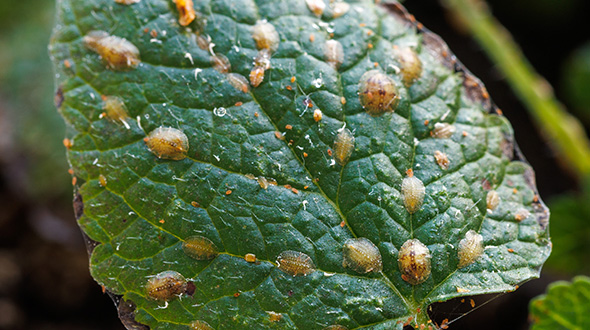
scale insect species impact indoor plants and vary in size and color

The presence of sticky honeydew and black sooty mold is an important indirect sign of soft scale infestations. Most soft scales produce honeydew, a sweet excretion that makes everything around or under infested plants sticky and attracts ants, bees, wasps, and flies. This honeydew also supports the growth of sooty mold, a black-colored fungus that coats leaf surfaces and interferes with photosynthesis.

Using magnification tools and needle tests can confirm live infestations when visual identification proves difficult. A practical inspection method involves flipping over suspicious bumps with a thumbnail to determine if scale insects are present underneath. Live scales will have soft tissue underneath their covering, while dead scales will be hollow or easily crushed.

Types of Scale Insects

Scale insects fall into several distinct categories, each with unique characteristics that affect identification and control strategies.

Soft Scales

Soft scales represent larger scales with a soft, waxy coating that remains inseparable from the insect body. These scales measure 1/8 to 1/4 inch in length when mature and possess a smooth, cottony, or waxy surface that’s round to oval and dome-shaped.

All soft scales produce honeydew, which leads to sooty mold growth that causes additional plant stress and aesthetic issues. This sticky secretion makes soft-scale infestations relatively easy to identify, as honeydew accumulates on leaves and surfaces beneath infested plants.

Common species include brown soft scale, which attacks a wide variety of hosts and is among the most common on houseplants. Hemispherical scale appears brown, smooth, glossy, and very convex, typically producing two generations per year and showing a strong preference for ferns, asparagus fern, palms, and many non-woody evergreen plants.

Other notable soft-scale species include the cottony cushion scale, which appears white and cottony, and various lecanium scales that commonly infest outdoor ornamental plants. Tuliptree scale and wax scale are additional soft-scale threats, particularly to deciduous fruit trees and woody ornamentals.

Armored Scales

Armored scales differ fundamentally from soft scales in their hard, protective shell or scale covering beneath which the actual insect body lives. These are the smallest scales, and their hard covering can be easily removed to reveal the insect beneath, though doing so will kill the insect.

A key distinguishing feature is that armored scales do not produce honeydew, eliminating the sticky secretion and sooty mold problems associated with soft scales. This makes armored scale infestations more challenging to detect until plant damage becomes apparent.

Armored scales display three main shapes: rounded scales that appear circular, oystershell scales that are elongated and oyster shell shaped, and pupillarial scales that have a distinctive pupal-like appearance. These shapes help with accurate identification and species determination.

Common species include tea scale, San Jose scale, false oleander scale, and obscure scale. Pine needle scale represents a particularly significant armored scale threat, appearing as white, oystershell-shaped scales that can completely cover conifer needles. Euonymus scale commonly attacks euonymus plants, while oystershell scale affects many trees and shrubs.

soft scales and armored scales on plants, scale infestations

Specialized Scale Types

Beyond the traditional soft and armored categories, several specialized scale types pose unique identification and control challenges.

Giant scales are the largest-scale species, resembling mealybugs with visible legs and antennae. These scales offer greater mobility than typical scales and are easier to spot due to their size and movement.

Ground pearls affect turfgrass by attaching to roots, making them nearly impossible to detect until the grass begins to yellow and die. These scales create pearl-like cysts around grass roots and can persist for years in soil.

Felt scales, including the crape myrtle bark scale, appear uncommon but distinctive with their white, felt-like covering. These scales typically develop on bark surfaces and can be mistaken for fungal growth or lichen.

Mealybugs, while technically related pests rather than accurate scales, share similar feeding habits and often get grouped with scale insects. They display a white, cottony appearance with waxy filaments and remain mobile throughout their lives, making them easier to spot but also more likely to spread between plants.

Scale Insect Life Cycle

Scale insects typically develop through three main stages: egg, nymph (crawler), and adult, with the crawler stage representing the most vulnerable period for control interventions.

Female scales lay eggs under their protective covering or in waxy ovisacs, depending on the species. Soft scales, such as the hemispherical scale and the brown soft scale, typically lay eggs beneath their body covering, whereas some species form separate egg masses. The number of eggs varies by species, with some laying dozens and others laying hundreds.

The crawler stage consists of mobile nymphs that disperse to new feeding sites after eggs hatch. These tiny, flat, pink or yellow crawlers lack the protective covering of adult scales and actively search for suitable feeding locations. Crawlers represent the primary dispersal stage, as they can be carried by wind, animals, or contaminated tools to new plants.

Settlement and development of protective covering occur after the first molt, when crawlers insert their mouthparts into plant tissue and begin producing their characteristic scale covering. Once settled, female scales become largely immobile and focus on feeding and reproduction.

life cycle diagram of scale insects eggs to crawlers to adult scale insects

The timing of crawler emergence varies significantly by scale species and season—pine needle scale eggs hatch in mid-May into tiny crawlers, with two generations produced each year. Brown soft scale and hemispherical scale typically produce two generations per year, whereas some species produce only one.

Multiple generations per year are possible, especially for indoor plants where temperature and humidity remain relatively constant. This continuous reproduction cycle means that all life stages may be present simultaneously on heavily infested plants, complicating control efforts and requiring sustained treatment approaches.

Understanding crawler emergence timing is crucial for effective treatment, as most contact insecticides are most effective when applied during the vulnerable crawler stage. Regular monitoring helps identify when crawlers emerge, allowing for precisely timed control applications.

Damage Caused by Scale Insects

Scale insects damage plants by directly removing sap, causing gradual yellowing, wilting, and stunted growth as they deprive them of vital nutrients and water. Unlike many other plant pests that cause immediate, dramatic damage, scale insects typically cause gradual plant decline over several years rather than immediate death.

The feeding process involves piercing plant tissues with their specialized mouthparts and continuously extracting plant sap. This constant drain on plant resources leads to reduced vigor, yellowing leaves, and stunted growth patterns. Heavy scale infestations can cause yellowed leaves, distorted foliage, especially at the growing tips, twig dieback, or complete defoliation.

Branch dieback and premature leaf drop occur in severe infestations, particularly when scale populations build up over multiple seasons. Pine needle scale, for example, can cause needle yellowing and even branch death on heavily infested conifers. The cumulative effect of numerous scales feeding on the same plant can overwhelm the plant’s ability to maintain normal growth.
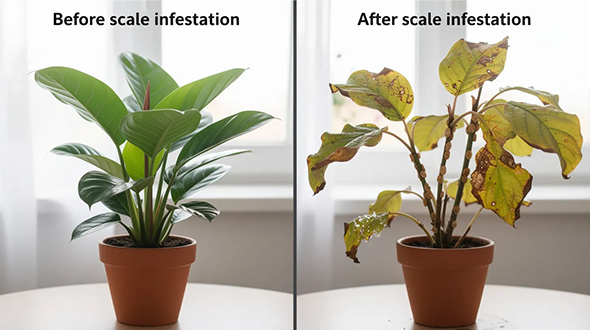
side-by-side comparison of indoor plant before and after scale insect infestation

Honeydew production by soft scales leads to sticky surfaces and black, sooty mold growth, which creates additional plant stress beyond direct feeding damage. The sticky honeydew makes everything around or under infested plants unpleasant to touch and attracts various insects, including ants, bees, wasps, and flies.

Sooty mold grows on the sweet honeydew and blackens leaf surfaces, interfering with photosynthesis and making plants unattractive. This fungal growth can coat entire plant surfaces in severe infestations, further reducing the plant’s ability to produce energy through photosynthesis.

Reduced plant vigor makes plants more susceptible to secondary pest infestations, disease, and environmental stress. Weakened plants become more vulnerable to drought, temperature extremes, and other plant pathogens.

Scale damage is often mistaken for watering or fertilization issues because the gradual yellowing and decline mimic nutrient deficiencies or water stress. This confusion can delay proper diagnosis and treatment, allowing scale populations to continue to grow while plant owners pursue inappropriate solutions.

Signs of Scale Infestation

Early detection requires systematic visual inspection of stems, leaf undersides, and bark crevices where scales typically establish feeding sites. Focus inspection efforts on areas where leaves attach to stems, as these protected locations provide ideal settling sites for crawlers.

Look for small, waxy bumps that may vary in color from brown and black to white and yellow. Young scales often appear light-colored and gradually darken as they mature, so check for bumps of various sizes and colors. Pay particular attention to new growth areas, as many scale species prefer tender plant tissues.

Early warning signs include slight yellowing and reduced growth that may initially appear minor but gradually worsen over time. Plants may show reduced vigor, smaller leaves, or slower growth rates before obvious scale insects become visible. These subtle changes often precede visible-scale population changes by weeks or months.

Advanced symptoms include heavy honeydew production, black sooty mold growth, and branch dieback, which indicate well-established infestations. Sticky surfaces beneath plants, ant activity around plants, and black fungal growth on leaves all suggest advanced soft-scale problems requiring immediate intervention.
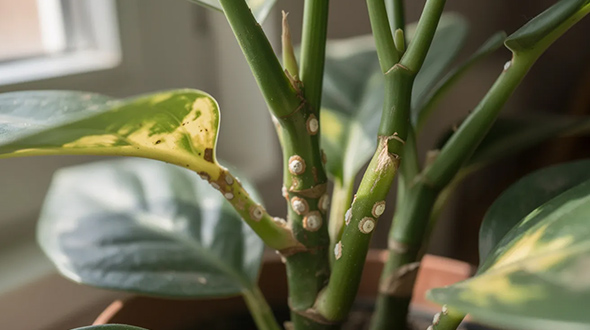
plant exhibiting early signs of scale infestation, slight yellowing of the leaves and small bumps on stems

Seasonal monitoring times when scales are most visible vary by species and location. Spring emergence of crawlers makes scales easier to spot, as the mobile crawlers appear as tiny moving specks on plant surfaces. Late spring and early summer often provide the best detection opportunities for many species.

Using photography tools and magnification aids in early detection by allowing closer examination of suspicious plant areas. Smartphone cameras with macro capabilities can help document suspected infestations and track changes over time. Hand lenses or magnifying glasses reveal details that help distinguish scales from natural plant structures.

Regular inspection routines should focus on plants known to be susceptible to scale insects, including ferns, palms, citrus, and many woody ornamental plants. Monthly inspections during growing seasons help detect infestations early, when control options are most effective.

Control Methods for Scale Insects

Cultural and Physical Control

Hand removal of scales with fingernails or a soft brush provides immediate reduction for light infestations, particularly effective on indoor plants where individual scales are easily accessible. This mechanical removal works best on soft scales, which can be scraped off with minimal plant damage.

Pressure washing with consumer-grade equipment can achieve up to 70% reduction in scale populations when properly applied. Direct the water stream at affected plant areas, focusing on the undersides of leaves and stem junctions where scales typically congregate. This method works particularly well for outdoor plants and can dislodge both scales and their eggs.

Proper plant spacing and air circulation help reduce humidity levels that favor scale development. Crowded plants create microclimates with higher humidity that promote scale reproduction and survival. Adequate spacing also improves inspection access and treatment coverage.

Regular plant inspection and monitoring routines enable early detection when control options remain most effective. Establish weekly inspection schedules during the growing season, focusing on known-susceptible plant species and previously infested areas.

Plant replacement with non-susceptible plant species may be necessary after professional identification confirms repeated treatment failures. Some plants show inherent resistance to specific scale species, making replacement a long-term solution for persistently problematic areas.

Biological Control

Natural enemies, including parasitoid wasps, lady beetles, lacewings, and predatory mites, provide ongoing scale control when properly supported through integrated pest management approaches. These beneficial insects attack scale insects during various life stages, providing sustainable control without chemical inputs.

Parasitoid wasps lay eggs inside scale insects, with developing wasp larvae eventually killing their hosts. Signs of parasitism include small emergence holes in scale covers, indicating successful biological control activity. Multiple wasp species attack different scale species, providing broad biological control potential.

Lady beetles, particularly the twice-stabbed lady beetle, specialize in scale insect predation and can significantly reduce scale populations when present in adequate numbers. Both adult beetles and their larvae actively hunt and consume scales throughout their development.
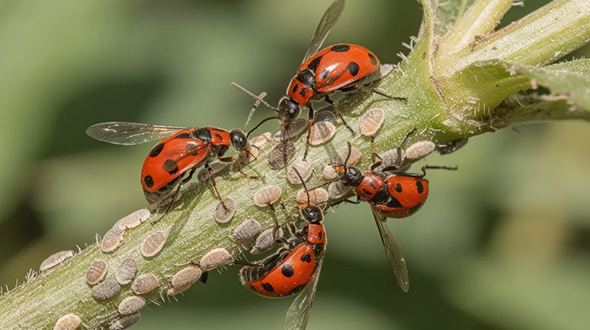
lady beetles and parasitoid wasps, actively feeding on scale insects

Maintaining beneficial insect populations requires reducing pesticide use and providing alternative food sources during periods when scale insects are scarce. Broad-spectrum insecticides eliminate beneficial insects along with pest species, often leading to scale population rebounds.

Fungal pathogens naturally suppress scale populations under favorable environmental conditions, particularly during periods of high humidity and moderate temperatures. These naturally occurring diseases can cause significant scale mortality without human intervention.

Chemical Control Options

Horticultural oils, including both dormant oil applications during plant dormancy and growing season treatments, suffocate scale insects by blocking their breathing pores. These oils work effectively against all scale life stages and provide excellent control when properly timed and applied.

Dormant oils applied during late winter or early spring target overwintering scales before crawler emergence. These heavy oil applications penetrate scale coverings more effectively when plants are dormant, and temperatures remain cool. Apply dormant oils when temperatures are expected to stay above freezing for 24 hours after application.

Growing-season oil applications use lighter formulations that won’t damage active foliage while still providing effective scale control. These oils require thorough coverage and are most effective when applied during crawler emergence, when young scales lack protective coverings.

Insecticidal soap targets crawlers and soft-bodied scale stages effectively while remaining relatively safe for beneficial insects. Soap products work by disrupting scale cell membranes and require direct contact for effectiveness. Multiple applications at weekly intervals may be necessary to catch emerging crawlers.

Systemic insecticides, particularly neonicotinoids, provide long-term scale control by being absorbed into plant tissues and affecting scale insects when they feed. These products are effective against established infestations but may take several weeks to reach full effectiveness.

Products containing imidacloprid control soft scales and certain other scale species, but are ineffective against armored scales or the cottony cushion scale. Understanding these limitations helps select appropriate products for specific scale problems.

Insect growth regulators containing pyriproxyfen target the crawler stage by preventing normal development and reproduction. These products stop crawlers from maturing into reproductive adults and reduce egg production in treated scales.

Contact insecticides require precise timing relative to crawler emergence for maximum effectiveness, as mature scales remain protected beneath their coverings. Monitor for crawler activity and apply contact sprays during peak emergence periods for best results.

Prevention Strategies

Quarantine procedures for new plants entering homes or gardens prevent the introduction of scale insects from contaminated plant sources. Inspect all new plants carefully and isolate them for several weeks before placing them near established plant collections.

During quarantine periods, monitor new plants closely for any signs of scale development. Many scale infestations come from newly purchased plants that appeared healthy at the time of purchase but carried eggs or young scales that weren’t immediately visible.

Regular plant health monitoring and early intervention prevent minor scale problems from developing into severe infestations. Establish routine inspection schedules and respond quickly to any suspicious plant changes or visible scales.

Avoiding plant stress through proper watering and fertilization maintains plant vigor and resistance to scale establishment. Stressed plants become more susceptible to scale infestations and suffer greater damage when scales establish.

Water plants appropriately for their species and environmental conditions, avoiding both drought stress and overwatering. Maintain proper fertilization programs without over-fertilizing, which can promote soft, succulent growth that attracts scales.

garden filled with healthy plants, showcasing proper spacing and care, with lush green leaves and well-maintained soil

Selecting resistant plant varieties when available provides long-term scale prevention for new plantings. Some plant cultivars show natural resistance to specific scale species, though complete immunity remains rare.

Research plant selections for known scale susceptibility before purchasing, especially for areas with a history of scale problems. Extension service publications often provide information on plant resistance and susceptibility to local-scale species.

Maintaining clean gardening tools prevents scale dispersal between plants and garden areas. Disinfect pruning tools between plants, especially when working on known-susceptible species or in previously infested areas.

Understanding scale-dispersal methods helps prevent accidental spread via wind, animals, and contaminated tools. Crawlers can be carried considerable distances by wind currents, while birds and other animals can transport scales between plants on their bodies.

When to Seek Professional Help

Extensive infestations covering multiple plants or large trees often exceed the capability of homeowner treatment methods and require professional expertise and equipment. Professional applicators have access to more effective products and application techniques that aren’t available to consumers.

Large trees infested with scales may require specialized equipment to ensure proper treatment coverage, including hydraulic sprayers and boom trucks capable of reaching entire tree canopies. Professional arborists understand proper timing and techniques for treating different-scale species across various tree species.

Difficulty identifying scale species for targeted treatment suggests the need for professional diagnosis and treatment recommendations. Accurate identification determines appropriate control strategies, as different scale species respond differently to various treatment approaches.

Professional entomologists and extension specialists can provide species identification services through submitted samples, often available through county extension offices or university diagnostic laboratories. Proper identification ensures that selected control methods will be effective against the specific scale species present.

Repeated treatment failures with home remedies indicate the need for professional assessment and intervention. Persistent scale problems may result from incorrect species identification, improper treatment timing, or ineffective products.

High-value ornamental plants requiring specialized care benefit from professional treatment that minimizes plant stress while maximizing scale control effectiveness. Mature landscape trees, rare plants, or valuable ornamental specimens justify professional treatment costs through plant preservation.

Professional treatment options often include systemic insecticides that require specialized application techniques and licensing for use. These products may provide longer-lasting control than consumer products but require professional expertise for safe and practical application.

County extension offices provide local expertise and can recommend certified arborists or pest control professionals experienced with scale insects. Extension agents understand local-scale species and can provide region-specific control recommendations.

Contact information for certified arborists is available through professional organizations like the International Society of Arboriculture, which maintains directories of certified professionals. Look for arborists with specific experience in scale insect management and integrated pest management approaches.

Professional pest control companies specializing in ornamental plant care offer ongoing monitoring and treatment services that maintain scale control over multiple seasons. These services often prove more cost-effective than repeated individual treatments for severe or recurring infestations.

Scale insects on plants present complex identification and control challenges that require patience, persistence, and often professional expertise. Early detection and prompt intervention remain the keys to successful scale management, whether dealing with indoor plants or extensive outdoor landscapes. By understanding the various scale types, their life cycles, and appropriate control methods, plant owners can develop effective strategies for maintaining healthy, scale-free plants throughout the growing season.

Todd’s Marietta Tree Services

Marietta, GA
(678) 505-0266

Originally published on: https://www.toddsmariettatreeservices.com/scale-insects-on-plants/

Wednesday, December 11, 2024

The Emerald Ash Borer Tree Insect

The emerald ash borer is a destructive beetle from East Asia that kills ash trees. It has spread across North America since 2002, causing widespread damage. This article covers its impact, signs of infestation, and prevention strategies.

emerald ash borer - emerald ash borer on an ash tree

Key Takeaways

  • The emerald ash borer (EAB) is an invasive pest that causes significant ecological and economic damage to ash trees across North America, threatening their survival.
  • Early identification of EAB infestations, such as crown dieback and exit holes, is crucial for effectively managing and controlling its spread.
  • A multifaceted approach combining biological control, chemical treatments, and cultural practices is essential in mitigating the impact of EAB and preserving ash tree populations.

Understanding the Emerald Ash Borer (EAB)

The emerald ash borer (EAB) is a pesky and invasive beetle that is responsible for significant damage to the ash tree species across North America. It originated from East Asia and was introduced to North America via shipping materials like crates and pallets. First detected near Detroit, Michigan, in 2002, it has since spread rapidly across many eastern and Midwestern states in the U.S.

EAB specifically targets ash trees, feeding on the layers of tissue beneath the bark. This feeding disrupts the tree’s ability to transport water and nutrients, ultimately leading to its death. The emerald ash borer is capable of killing ash trees of any age and condition, posing a significant threat to both urban and forest ecosystems. In fact, once EAB establishes itself in an area, it can kill up to 99% of the ash trees within 8 to 10 years, transforming vibrant forests into desolate landscapes.

The impact of EAB affects multiple ash tree species, including black ash trees, green ash, and blue ash. This widespread vulnerability has led to a significant decline in many ash tree populations, with severe ecological and economic consequences.

Understanding the nature of this threat is the first step in combating it and preserving our valuable ash tree populations, especially since it kills ash trees.

Life Cycle of the Emerald Ash Borer

The life cycle of the emerald ash borer (EAB) is fundamental to its destructive capability. EAB undergoes four life stages: egg, larva, pupa, and adult. Adult beetles emerge and fly from late May to early September, with peak activity in June and July. These beetles, measuring 3/8 to 5/8 inches long with bright metallic green wings, are the most visible stage of the EAB.

The real destruction, however, occurs during the larval stage. EAB larvae, which are cream-colored and can grow up to 1.5 inches in length, feed on the inner bark and phloem of the ash tree, creating S-shaped patterns inside the wood. This feeding, known as larval feeding, disrupts the tree’s nutrient and water transport systems, leading to the tree’s decline and eventual death.

Larvae remain in the tree for 1 to 2 years before pupating. The pupae, creamy white and 10-15 mm long, eventually transform into adult beetles, completing the life cycle.

Identifying Emerald Ash Borer Infestations

signs of emerald ash borer infestation

Early identification of an emerald ash borer infestation can significantly aid in managing and controlling its spread. Distinct signs include crown dieback, where dead branches become visible at the top of the tree, progressing downward, signaling severe internal damage.

D-shaped exit holes on the tree bark, created by emerging adult beetles, are another clear indication of an EAB infestation. These holes are roughly 1/8 inch in diameter.

Increased woodpecker activity around ash trees can also indicate EAB presence. Woodpeckers feed on larvae beneath the bark, leaving light patches on the tree’s surface. Observing these signs early and accurately can lead to quicker, more effective responses to infestations.

How EAB Spreads

Both natural and human factors facilitate the spread of the emerald ash borer (EAB). Initially, EAB was accidentally transported to North America in infested crates and pallets, a consequence of global trade. Once established, EAB adults can travel considerable distances during their active flight season, which typically begins in late spring. Natural factors, such as wind, can also aid in the dispersal of EAB adults over short distances.

Human activities greatly contribute to the long-distance spread of EAB. Moving infested wood products like firewood and lumber has been a major factor in its spread to new areas. Infested ash trees serve as reservoirs, enabling these tree insects to establish new infestations wherever these materials are transported.

Since its detection in 2002, EAB has spread to over 30 states and 5 Canadian provinces, highlighting the extensive reach of this invasive species.

Distribution and Habitat

The distribution of the emerald ash borer (EAB) has expanded significantly since its initial detection in North America. EAB has now been detected in 36 states and the District of Columbia, establishing itself as a widespread threat to ash trees. Notable detections include Connecticut in 2012 and Kentucky in 2009, illustrating its rapid spread.

EAB affects various habitats, from urban landscapes to natural forests. In New York State, native ash species such as white, green, and black ash are threatened. In areas affected by EAB, nearly 99% of ash trees may die within a decade, drastically altering forest compositions and ecosystems.

The extensive presence of EAB underscores the need for rigorous management and control measures to protect these valuable habitats.

Environmental and Economic Impacts

forest area affected by emerald ash borer infestation

The environmental and economic impacts of the emerald ash borer (EAB) are profound and far-reaching. EAB has killed millions of ash trees across North America, severely disrupting ecosystems and reducing biodiversity. The death of tens of millions of ash trees has altered forest compositions, making them more susceptible to other invasive species and affecting overall ecosystem health.

Economically, the loss of ash trees in urban areas has posed significant challenges. Municipalities face increased costs for tree removal, replacement, and management, leading to substantial financial burdens. In southeastern Michigan, the economic impact of removing thousands of dead trees has been immense. Additionally, the damage caused by EAB larvae leads to public safety hazards as trees decay, creating liability issues for communities.

Regulations and Quarantine Measures

Various regulations and quarantine measures have been implemented to combat the spread of the emerald ash borer (EAB). In New York, state quarantines are imposed in most of western New York and certain counties to limit the movement of ash trees and related products. These regulations aim to prevent the further spread of EAB by controlling the transportation of regulated materials, including all parts of ash trees and firewood from any species.

Compliance agreements and certifications are required for moving regulated materials out of quarantined areas, with restrictions on items like wood chips and bark mulch larger than one inch. Properly disposing of infested ash trees through methods like chipping or burning is vital to prevent the spread of the Emerald Ash Borer (EAB). Avoiding the movement of infested firewood is also essential in curbing the long-distance dissemination of this invasive species.

Management and Control Strategies

technician applying insecticide treatments to ash tree

Managing and controlling the emerald ash borer (EAB) requires a multifaceted approach. Strategies include biological control, chemical treatments, and cultural practices, each playing a key role in protecting ash tree populations and mitigating the impact of EAB.

Biological Control

Biological control uses natural enemies to manage invasive pests like the emerald ash borer (EAB). This method reduces reliance on chemical treatments and can include predators such as woodpeckers and certain beetles that prey on EAB. Parasitoids, which lay eggs in or on EAB larvae, are also used; their offspring kill the larvae, effectively reducing EAB populations.

However, introducing natural predators and parasitoids can have unintended ecological effects, potentially disrupting local ecosystems.

Chemical Treatments

Chemical treatments are another key strategy in combating EAB. Insecticides such as imidacloprid and emamectin benzoate are often used to protect healthy ash trees from EAB pest attacks. These insecticides can be injected directly into the tree or applied as soil drenches, allowing the chemicals to be absorbed and translocated within the tree.

If applied timely, some insecticides enable tree recovery even after significant EAB damage.

Cultural Practices

Cultural practices are crucial for preventing the spread of EAB and maintaining healthy ash tree populations. Proper disposal of infested trees through methods like chipping or burning helps eradicate EAB and stop its spread. Additionally, selecting tree species resistant to EAB is an effective cultural practice.

These practices form an integral part of a comprehensive EAB management strategy.

The Role of Citizen Scientists

Citizen scientists are pivotal in tracking and managing emerald ash borer (EAB) infestations. Community involvement, including tribal perspectives, is emphasized in managing and conserving ash tree resources. U.S. Forest Service scientists are seeking efficient monitoring techniques for EAB, and citizen scientists can significantly contribute to these efforts.

Reporting signs of EAB is vital. Individuals can use report forms or call dedicated hotlines to report new infestations. This grassroots approach helps track the spread of EAB and informs management strategies, making citizen scientists an invaluable part of the fight against this invasive species.

Future Prospects for Ash Trees

healthy ash tree

The future of ash trees in North America depends on ongoing research and conservation efforts. Natural enemies, such as parasitoid wasps, have been introduced to help control EAB populations. The USDA has released several species of parasitoids from Asia and Europe to target EAB larvae and eggs, with three types of parasitoid wasps targeting different life stages of the beetle.

Conserving ash seeds for future restoration efforts is also a critical strategy. Collecting and storing seeds helps ensure the genetic diversity of ash trees and supports their reintroduction into affected forests. These efforts offer hope for the recovery and preservation of ash tree populations.

Emerald Ash Borer Summary

The emerald ash borer (EAB) has profoundly impacted North America’s ash tree populations, causing significant ecological and economic damage. Understanding the life cycle and identifying signs of EAB infestations are crucial steps in managing this invasive species. Human activities and natural factors facilitate the spread of EAB, making regulations and quarantine measures essential in controlling its dissemination.

Management and control strategies, including biological control, chemical treatments, and cultural practices, are vital in protecting ash trees. Citizen scientists play a key role in tracking and reporting EAB, contributing to effective management efforts. Ongoing research and conservation efforts, including the introduction of natural predators and the preservation of ash seeds, provide hope for the future of ash tree populations. Together, these efforts can help mitigate the impact of EAB and preserve our valuable ash tree populations.

EAB Frequently Asked Questions

What is the origin of the emerald ash borer (EAB)?

The emerald ash borer originates from East Asia, specifically from regions such as China and the Russian Far East. This wood boring insect poses a significant threat to North American ash trees due to its invasive nature.

How can I identify an emerald ash borer infestation in ash trees?

To identify an emerald ash borer infestation, look for crown dieback, D-shaped exit holes on the bark, and increased woodpecker activity around the ash trees. These indicators are crucial for early detection and effective management.

How does the emerald ash borer spread?

The emerald ash borer spreads primarily through the transportation of infested wood products and can also be influenced by natural factors such as wind during its flight season. Effective control measures should focus on regulating the movement of these materials.

What are some management strategies for controlling EAB?

Implementing biological control through natural predators, applying chemical insecticides, and adopting cultural practices like the proper disposal of infested trees are effective management strategies for controlling Emerald Ash Borer (EAB). These approaches collectively aid in mitigating the impact of this invasive pest.

How can citizen scientists contribute to managing EAB?

Citizen scientists can significantly contribute to managing the emerald ash borer (EAB) by reporting signs of infestations through designated forms or hotlines, thereby assisting in the monitoring and controlling its spread. Your involvement is essential for effective management efforts.

Todd’s Marietta Tree Services

Marietta, GA
(678) 505-0266

Originally published on: https://www.toddsmariettatreeservices.com/emerald-ash-borer-tree-insect/

Wednesday, October 30, 2024

Aphid Infestation in Your Plants?

An aphid infestation occurs when tiny, soft-bodied insects attack your plants, feeding on their sap and causing significant damage. If left unchecked, these pests can weaken your plants, making them more susceptible to diseases. In this article, we’ll cover how to identify, manage, and prevent aphid infestations to keep your garden healthy.

aphid infestation

Key Takeaways

  • Aphids are harmful pests that feed on plant sap, leading to weakened plants and increased disease vulnerability; early detection of signs like curled leaves and honeydew is crucial for effective management.
  • Effective aphid control methods include the use of water sprays, hand removal, insecticidal soaps, and promoting natural predators like lady beetles and green lacewings within the garden ecosystem.
  • Preventing future infestations involves regular plant inspections, attracting beneficial insects through diverse planting, and using companion plants to create unfavorable conditions for aphids.

Understanding Aphid Infestations

Aphids are notorious for causing severe damage to crops and garden plants. These small, soft-bodied insects feed on plant sap, weakening leaves, flowers, and fruits. Identifying aphid infestations early is vital, as these plant and tree pests can quickly multiply, causing plant stress and increasing vulnerability to diseases. The primary signs of an aphid infestation include twisted and curled leaves, yellowing foliage, and stunted growth. Moreover, aphids excrete a sticky substance known as honeydew, which attracts other pests and promotes the growth of sooty mold.

Recognizing different aphid species and their characteristics helps in controlling them effectively. Bean aphids, cabbage aphids, potato aphids, melon aphids, and woolly apple aphids are a few of the more common aphid species. These species are often encountered in various agricultural contexts. Understanding these pests is fundamental to controlling aphids and safeguarding your plants.

arious aphid species on a plant

What Are Aphids?

Aphids are tiny, soft-bodied insects that primarily feed on the tender new growth of plants, including leaves, buds, and flowers. These pests damage plants by sucking out the plant sap, leading to weakened leaves, flowers, and fruits. Aphids feed on the plant sap, causing further harm to the plants.

Aphids reproduce quickly, with females giving birth to fully developed offspring, enabling numerous generations within a single season. This rapid reproduction means that aphids can quickly multiply and cause extensive damage if not controlled promptly.

Signs of an Aphid Infestation

Spotting aphid infestations early can prevent severe damage to your plants. Common symptoms consist of twisted and curled leaves, along with yellowed foliage. Stunted or dead shoots and sluggish plant growth are additional signs.

Clusters of aphids typically appear on the undersides of leaves and rosebuds, often accompanied by a sticky substance known as honeydew. This honeydew attracts ants and can lead to the growth of sooty mold, further damaging the plants.

Common Aphid Species

Various aphid species can affect different plants in your garden. Cabbage aphids are green with a waxy covering, giving them a grayish-white appearance, while green peach aphids have a wide range of host plants, including potato, pepper, and cabbage. Woolly aphids are recognized by their distinctive white, waxy covering, making them appear fluffy.

Recognizing these common aphid species is crucial for managing infestations and protecting your plants.

Methods to Remove Aphids

method to remove aphids from plants

Effective aphid removal methods include:

  • Using water spray
  • Hand removal
  • Insecticidal soaps
  • Horticultural oils

Combining these methods and applying them repeatedly increases the chances of achieving total control over aphid populations.

Persistence and patience are essential when battling aphids, as they reproduce quickly and may need multiple treatments for complete elimination.

Water Spray

A strong spray of water from a garden hose can effectively dislodge aphids from plants. Set the hose to high pressure to knock the insects off while avoiding damage to the plants.

Daily spraying prevents aphid infestations since aphids seldom climb back onto plants after being dislodged.

Hand Removal

Hand removal is another effective method for controlling aphids. Gently crush aphids with your fingers or knock them into a container filled with soapy water to ensure they don’t escape. Wearing garden gloves during hand removal promotes hygiene and makes the process more comfortable. If you’re looking to get rid of aphids, this method can be quite effective.

This method is particularly useful for small infestations and helps keep aphid populations in check.

Insecticidal Soaps and Horticultural Oils

Insecticidal soaps and horticultural oils are often the best choices for treating aphids with chemicals. These products work by smothering or dissolving the protective layer of aphids, leading to their death.

Insecticidal soaps should be applied on both the undersides and tops of leaves for optimal coverage. Reapplication is necessary due to the rapid reproduction of aphids, and these treatments help prevent further infestations.

Natural Predators and Biological Control

natural predators of aphids

Natural predators and biological control methods effectively manage aphid populations without relying on chemical pesticides. Lady beetles, green lacewings, parasitic wasps, and aphid predators rank among the most effective natural enemies of aphids.

Planting flowers like marigolds, calendula, sunflowers, and dill attracts these beneficial insects to your garden, offering a natural aphid control method.

Lady Beetles (Ladybugs)

Lady beetles, or ladybugs, are natural predators of aphids and can dramatically improve the health of your plants. Introducing ladybugs into your garden effectively helps control aphid populations.

Live ladybugs can be bought online or at local nurseries, but ensure they are native to your area and are true ladybugs.

Green Lacewings

Green lacewings, nocturnal predators, consume various soft-bodied insects and other insects, including aphids. Green lacewing larvae have a voracious appetite for aphids, significantly contributing to aphid population control in gardens.

These beneficial insects help maintain a healthy balance in your garden ecosystem.

Parasitic Wasps

Parasitic wasps are another type of natural predator specifically utilized in the control of aphid populations. These wasps lay their eggs inside aphids, and once the eggs hatch, the larvae feed on the aphids from within, leading to their demise.

Parasitic wasps naturally limit aphid infestations, reducing the need for chemical pesticides in gardens.

Preventing Future Aphid Infestations

Preventing future aphid infestations requires regular plant inspections, encouraging beneficial insects, and using companion plants. The rapid reproduction of aphids allows their populations to grow quickly, making it essential to address infestations promptly.

Regular plant inspections can help catch aphid infestations early while attracting beneficial insects, and companion planting creates a less favorable environment for aphids.

plant inspection preventing aphid infestations

Regular Plant Inspections

Regular plant inspections, especially early in the day when aphids are more active, are crucial for catching infestations early. A magnifying glass can help detect smaller aphid populations during inspections.

Regular inspections are essential for effective aphid control and maintaining healthy plants.

Encouraging Beneficial Insects

Planting a diverse range of flowering plants can attract beneficial insects that consume aphids, providing a natural method of control. Providing shelter for beneficial insects can boost their population and effectiveness against aphids.

This approach helps maintain a healthy garden ecosystem and reduces the need for chemical pesticides.

Using Companion Plants

Companion planting with aphid-repelling plants like garlic, chives, onions, and catnip deters aphids from nesting in your garden. While not effective for treating existing infestations, these plants are excellent for preventative care.

Companion planting with marigolds, lavender, and basil helps repel aphids from tomato plants, creating a less favorable environment for these pests.

Chemical Control Options

Severe aphid infestations may require chemical control options. Use these treatments cautiously, as some insecticides can be toxic to pollinators and other beneficial insects.

Low-risk pesticides, systemic pesticides, and professional pest control services are viable options for managing aphid populations.

Low-Risk Pesticides

Low-risk pesticides like neem oil, insecticidal soap, horticultural oil, and pyrethrins can effectively control aphids. Insecticidal soap is particularly effective and safe for hard-bodied beneficial insects.

Neem oil may repel beneficial insects and have an unpleasant lingering smell. Follow label directions and safety practices when applying these treatments.

chemical pesticide control options for aphids

Systemic Pesticides

Systemic pesticides like imidacloprid and dinotefuran are absorbed by plants and offer long-lasting control against aphids. These insecticides may take two to four weeks to affect aphid populations.

Systemic pesticides are especially useful for severe infestations that are difficult to manage with other methods.

Professional Services

For severe aphid infestations, hiring a professional pest control service ensures proper treatment. Professionals have the expertise and tools to manage infestations effectively while minimizing risks to plants and the environment.

This option is especially recommended for treating trees or shrubs with woolly aphids, which require specialized treatment.

Dealing with Specific Scenarios

Certain plants are more susceptible to aphid infestations and may require specific strategies for protection. This section covers dealing with aphids on roses, tomato plants, and root aphids.

Aphids on Roses

Roses are especially vulnerable to aphids, which are attracted to the sweet sap inside their leaves and buds. Aphids often cluster on young rose shoots and flower buds, making these parts particularly susceptible to damage.

Regular monitoring and applying appropriate control methods can protect roses from aphid infestations.

Aphids on Tomato Plants

On tomato plants, aphids can cause yellowing and wilting of the leaves due to their feeding habits. Regular monitoring is crucial for tomato plants, as aphids can quickly multiply and harm the plants’ health.

Companion plants like marigolds, lavender, basil, and chives can deter aphids and protect tomato plants.

Root Aphids

Root aphids are commonly found in indoor-grown plants and herbs, causing significant damage by feeding on root tissue. These pests can cause curling or yellowing leaves, making plants more susceptible to root rot, mildew, and diseases.

Many above-ground treatments are ineffective against root aphids; therefore, thoroughly soaking the growing medium with insecticides is necessary for effective treatment.

Aphid Summary

Dealing with aphid infestations requires a combination of early detection, effective removal methods, and preventive measures. By understanding what aphids are, recognizing the signs of their presence, and employing various control methods—from water sprays and hand removal to biological controls and chemical treatments—you can protect your plants and maintain a healthy garden. Encouraging beneficial insects and using companion planting can further prevent future infestations. Remember, persistence and regular monitoring are key to keeping aphid populations in check. With these strategies, you’ll be well-equipped to tackle aphid infestations and save your plants from these persistent pests.

Aphid Frequently Asked Questions

What are the early signs of an aphid infestation?

The early signs of an aphid infestation are twisted and curled leaves, yellowed foliage, stunted or dead shoots, and the presence of sticky honeydew on your plants. Addressing these symptoms promptly can help protect your garden.

How can I naturally control aphid populations in my garden?

To effectively control aphid populations naturally, predators like lady beetles and green lacewings should be introduced, and flowers such as marigolds and dill should be planted to attract these helpful insects. This approach promotes a healthier garden ecosystem.

What are some effective chemical treatments for severe aphid infestations?

For severe aphid infestations, effective treatments include insecticidal soap and neem oil for low-risk options, while systemic pesticides like imidacloprid and dinotefuran offer longer-lasting control but must be used carefully due to potential harm to pollinators.

How can I prevent future aphid infestations in my garden?

To prevent future aphid infestations effectively, conduct regular plant inspections, encourage beneficial insects, and incorporate companion plants such as garlic and marigolds into your garden. Implementing these strategies will help maintain a healthy garden ecosystem.

What should I do if I have a severe aphid infestation that I can’t control?

If you’re facing a severe aphid infestation that you cannot control, it’s advisable to hire a professional pest control service for effective and safe treatment. This will help ensure that your plants are treated appropriately and can recover.

Todd’s Marietta Tree Services

Marietta, GA
(678) 505-0266

Originally published on: https://www.toddsmariettatreeservices.com/aphid-infestation-in-your-plants/
Friday, June 25, 2021

Pecan Phylloxera Identification and Control

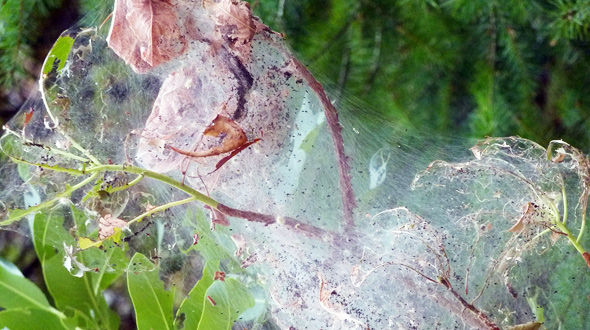
Phylloxera galls appear on leaves from insect feeding activities

Prevent repeated pecan phylloxera infestations from severely damaging or killing your pecan trees. Knowing how to identify and control phylloxera will help you stop this insect from slowly debilitating your tree and take measures to effectively control it.

toddsmariettatreeservices.com gathered the following information about pecan phylloxera, the damage it causes, how to identify it, and what can be done to control it.

What Is Pecan Phylloxera

Pecan phylloxera is an insect that can cause significant damage if ignored or treated incorrectly in pecan orchards. Phylloxera can attack pecan tree shoots, leaves, and fruit. Due to the life cycle of phylloxera, timing is very vital to controlling the infestation. Once you see that galls have developed, it is too late to stop the infestation in the current season. The following are three species of phylloxera and the galls they form:

Pecan Phylloxera (P. devastatrix Pergande) – This insect species produces large, green galls on stems, twigs, petioles, midribs, and nuts. Winged phylloxera emerge from these galls.

Pecan Leaf Phylloxera (P. notabilis Pergande) – This species causes small galls to develop next to the midribs or veins of leaflets. The galls are oval to spherical, open on the ventral surface of the leaf, are typically evenly green on the top, and often appear reddish beneath. Winged phylloxera also emerge from these galls.

Southern pecan leaf phylloxera (P. russellae Stoetzel) – This phylloxera species causes the formation of small galls on leaf surfaces between the veins. The galls are round and somewhat flat, open on the ventral surface. The opening will typically contain dense, short, white hairs. Phylloxera emerging from these galls are wingless.

Pecan Phylloxera Damages

Phylloxera damages can appear as dieback chlorosis fruit damage and allow secondary infestations

Pecan phylloxera in isolated cases does not cause any significant damage to its host tree. However, large and/or repeated infestations can result in the following:

  • General wilting and/or drooping
  • Chlorosis of affected foliage
  • Dieback of affected branches
  • Early leaf drop
  • Weakened/Declining tree health
  • Causes increased susceptibility to secondary infestations and diseases

Note: For trees with previous disease and infestation incidences (including repeated and heavy phylloxera infestations), significant phylloxera infestations can ultimately lead to or participate in the host tree’s death.

How To Identify Pecan Phylloxera

Pecan phylloxera are tiny insects resembling aphids (without the cornicles) that range from cream to a pale yellow color. Phylloxera have sucking mouthparts and are 1/10 to 1/5 inch long. Their feeding stimulates the tree to produce galls on leaves, stems, and nuts where wounded. The phylloxera reproduce inside the galls. All phylloxera species overwinter in the tree or orchard and feed on new growth in the spring.

Pecan Phylloxera Lifecycle

The three species of phylloxera follow somewhat identical lifecycles. Observe the following:

Eggs – Phylloxera overwinter as eggs in sheltered spots like bark on the tree trunk or branches, within opened/spent galls, underneath the carcasses of dead phylloxera, etc.

Stem Mothers – The young that hatch from overwintered eggs are referred to as “stem mothers” and appear around the same time new foliage and growth begin to emerge.

Gall Formation – As the stem mothers hatch, they migrate to emerging tissue to begin feeding. This feeding stimulates the host tree to develop galls that enclose the insect within a few days.

Phylloxera galls enclose and shield the insects as they mature

Nymphs – Inside the galls, stem mothers mature, lay their eggs, and die. Shortly after that, nymphs hatch from the eggs and feed until the galls split open in late spring or early summer, at which time new adults emerge.

The following are how each of the species continue their reproductive cycles:

Pecan Phylloxera (P. devastatrix Pergande) – Winged, asexual adults emerge from the galls and migrate to other parts of the same or nearby tree where they deposit small eggs that hatch into male insects and larger eggs that hatch into female insects. Once mated, the females die with a fertilized egg still inside them (protected for the winter). This species produces one generation of galls per year.

Pecan Leaf Phylloxera (P. notabilis Pergande) – Winged, sexual adults emerge from the galls resulting from the stem mother. These adults mate and the females locate a protected place to lay a single egg (which also hatch asexually) before they die. This species crawls to new areas of foliage on the same tree and forms a second and, sometimes, a third generation of galls in a single season.

Southern pecan leaf phylloxera (P. russellae Stoetzel) – These produce wingless, sexual adults in the galls resulting from the stem mother. The females will crawl to protected/secluded places to lay their single eggs. These eggs are typically not entirely laid by the female, remaining attached to her dead body. This species only produces one generation of galls per year.

Watch this video to see phylloxera insects inside a gall.

Pecan Phylloxera Control Measures

If any of the phylloxera species are present, insecticide applications should be made to your tree(s) between bud swelling and early leaf expansion (when the leaves have begun to unfurl). If galls are found, another insecticide application should be made the following year. Consider the following when acquiring an insecticide for phylloxera control:

  • Acquire adequate equipment to thoroughly distribute (spray) the insecticide on infested specimens
  • Select an insecticide containing a growth or reproductive inhibitor
  • Use insecticides containing carbaryl as an active ingredient; it is one of the most readily available phylloxera treatments for homeowner applications
  • Solutions containing neem oil are also highly effective, killing small soft-bodied insects like phylloxera on contact
  • Imidacloprid (made to mimic nicotine, which is lethal to insects) is also a good, systemic choice for phylloxera control.
  • Learn the recipe for how to make your own insecticidal soap to combat pests – toddsmariettatreeservices.com/insecticidal-soap-recipe-control-tree-pests/

You can reduce or eliminate the potential for such infestations by planting resistant cultivars and promoting their vigorous, healthy growth.

Tip: Insecticide applications must be made prior to gall formation. Once the insects are enclosed in the galls, reliable control is no longer possible.

Watch this video for more on pecan phylloxera

Disclaimer: This website provides general information only about a chemical or class of chemical products; it does not and cannot provide detailed safety information specific to any particular consumer product, it is not intended to be comprehensive or complete, and it should not be relied upon to ensure safe and appropriate use of any particular insect control product. Read product labels for warnings, advisories, and instructions.

Southern Pecan Leaf Phylloxera

In this article, you discovered information about the several pecan phylloxera species, the damage they can cause, ways to identify them, and control methods.

Knowing when to take action against phylloxera is as crucial as how to do it. Enacting well-informed and timed control measures will help you keep phylloxera infestations under control.

Ignoring or incorrectly treating a phylloxera infestation can allow its rapid proliferation, decline in overall tree health, and eventual tree death.

Sources:
hgic.clemson.edu/factsheet/southern-pecan-leaf-phylloxera/
entoweb.okstate.edu/ddd/insects/phylloxera.htm
extension.msstate.edu/sites/default/files/newsletter/bugwise-newsletter/2016/2016%20BugWise%20No%202%20-%20Pecan%20Phylloxera.pdf

Todd’s Marietta Tree Services

200 Cobb Pkwy N Ste 428 Marietta, GA 30062
(678) 505-0266

Originally published on: http://www.toddsmariettatreeservices.com/pecan-phylloxera-identification-and-control//

Monday, July 22, 2019

Reasons Your Tree Changing Colors in Spring or Summer is a Bad Sign

Distressed tree changing colors and dying

Is your tree changing color when it should be green? Tree foliage will change color for several reasons. Some of those reasons may lead to the death of the tree, while others are merely seasonal.

toddsmariettatreeservices.com gathered information on why trees change color, and when a color change signals severe problems with trees.

Deciduous vs. Evergreen Trees

In a very general sense, trees may be classified in one of two categories; deciduous or evergreen. When their foliage changes color, it can be interpreted as:

Deciduous Trees – A deciduous tree keeps its green color throughout spring and summer. During autumn, its leaves will change from green to vibrant yellow, orange, red, or purple before falling to the ground.

This color change occurs as the days shorten and temperatures drop. As the leaves cease their food making process, the chlorophyll breaks down, the green color fades away, and so begins the fall color change and leaf drop spectacle.

Leaf color change on deciduous trees in fall

This process also enables the tree to conserve energy as it prepares to enter dormancy throughout late autumn and winter.

Evergreen Trees – As the name suggests, these trees remain green throughout the year. Typically, they will drop small amounts of foliage as new growth takes its place during the spring and summer months.

While healthy evergreen trees slow down considerably during autumn and winter months, they retain their foliage and green color.

Diseased, Infested, and Dying Trees

When a deciduous tree changes color during spring or summer months, or an evergreen changes color at any time, there is cause for concern. One or a combination of the following may be causing the tree to decline in health or die:

Drought – Drought conditions can happen any time throughout the year, and trees viscerally respond to hydraulic failure.

When there is a lack of water within a tree, the entire crown may be affected in the following ways:

• Chlorosis (loss of color) of the foliage
• Wilting
• Premature leaf drop
• Hardening of branches and twigs
• Self-pruning (shedding of entire branches)

If a regular water supply is not restored to the tree at the onset of drought symptoms, the tree will likely die.

Solution: Maintain a watering pattern throughout the year, increasing the frequency during dry stretches and decreasing during rainy seasons.

Root Rot – Excess water may deprive tree roots of getting the air that they need, leading to decay. To avoid root rot, it is best to only water trees when the soil becomes dry, and to plant the tree in well-drained soil.

Symptoms of root rot are very similar to those of drought, including chlorosis, and premature leaf drop, as both ailments cause hydraulic failure within the tree.

Tree leaf chlorosis and death from disease stress

One of the significant differences between drought and root rot is the destabilization of a tree affected by root rot. Without firm roots to anchor the tree, the lightest of storm activity may cause it to topple.

Solution: Avoid overwatering trees and plants located in poorly drained soil. If root rot has already occurred, contact a tree service professional to evaluate the situation and recommend a course of action.

Heart Rot – Trees are susceptible to heart-rotting fungi that produce a lightweight, soft, spongy, stringy, or powdery heart decay. Signs that a tree is rotting from the inside are:

• Leaf chlorosis
• Wilting
• Premature leaf drop
• Dead and brittle branches
• Mushroom conks growing from the trunk
• Bark abnormalities (swelling, deep cracks, or holes)

While trees are very good at compartmentalizing (isolating) damaged or diseased portions of themselves, some fungi can cause massive amounts of potentially fatal damage before the tree can react.

Solution: The following will help a tree avoid heart rot:

• Promote the tree’s health (watering, pruning, fertilizing, mulching)
• Prune in late fall or early winter
• Avoid bark damage
• Remove storm-damaged branches

Trees with symptoms of heart rot should be evaluated and treated or removed by a tree service professional, as soon as possible to avoid severe damages should the tree topple or collapse.

If your tree is dying, learn more about what you can do at toddsmariettatreeservices.com/my-tree-is-dying-what-do-i-do/

Anthracnose – Anthracnose can attack a tree (fruit trees are more susceptible) at any stage of its growth and can affect leaves, stems, pods, fruits, and roots. The symptoms of anthracnose are:

• Small irregular yellow, brown, or black spots that expand and merge together on foliage. Severe infections can affect entire portions of the crown.
• Cankers on stems and branches that cause extreme defoliation and rotting of fruit and roots.
• Fruits develop sunken circular spots that darken with age, eventually producing gelatinous pink spore masses.

Signs and symptoms of anthracnose tree disease

Solution: The following can help prevent an anthracnose infection:

• Promote your tree’s health (watering, pruning, fertilizing, mulching)
• Transplant only healthy seedlings
• Remove and destroy infected tree parts
• Harvest unripe but mature fruits
• Plants species that are resistant to anthracnose disease
• Keep the landscape free of weeds

If your tree has become severely infected with anthracnose, the best containment of the disease may be the complete removal and destruction of the tree. Hire a tree service professional to evaluate the tree’s situation, and risk to surrounding vegetation before deciding on a course of action.

You can learn more about tree diseases and treatment at toddsmariettatreeservices.com/5-marietta-ga-tree-diseases-identification-treatment/

Insect Infestation – Severe infestations by honeydew-producing aphids, leaf-consuming caterpillars, trunk burrowing beetles, and other opportunistic insects can lead to a tree being overstressed and dying. Symptoms of an insect infestation may include:

• Chlorosis of the foliage of a portion of or the entire crown
• Wilting and leaf drop
• Damaged or eaten foliage
• The appearance of sooty mold on infested foliage
• The presence of ants (colonizing and tending to aphids)
• Severe premature leaf drop
• Burrowed circular holes in branch or trunk bark

Tree leaf damage from insect infestation

Solution: Upon detection of an insect infestation, the infected and surrounding trees should be treated and protected with:

• Insect traps (tree bands, ant traps, beetle traps, etc.)
• Neem oil spray
• Insecticide

In cases where beetles and other burrowing insects are involved, a tree service professional should be contracted to survey the tree, property, and surrounding landscape to attempt to gain full control over the infestation.

Climbing Vines – If left uncontrolled, climbing vines are capable of ascending to the top of a tree and spreading across its crown. As the vine spreads its foliage, it absorbs the sunlight otherwise intended for the tree, leading to the following:

• Leaf chlorosis
• Wilting
• Premature leaf drop
• Nutrient deficiency (weakened health)

Climbing vines can girdle and kill trees

When vines take over the canopy of a tree, you may see green, healthy foliage (from the vine) mixed with wilting or dying foliage (from the tree). As the tree weakens, it will become susceptible to insect infestation and disease, compounding its health decline and hastening its death.

Solution: Sever the vine from its root system near the ground and let it die off. However, don’t try to remove the vine from the tree. As the vine was climbing, it anchored to the tree’s bark, any attempt to pull the vine down may severely damage the bark, resulting in the girdling of the tree.

To learn more on how to save your tree from clinging vines, read toddsmariettatreeservices.com/saving-trees-clinging-vines/

Trees Changing Colors

Is your tree turning yellow or brown when it’s supposed to be green? There are several reasons that trees will change color, and many of those reasons may indicate serious problems that can kill the tree.

In this article, you discovered why trees change color in the fall, and problems that may lead them to change color and suffer leaf drop in the spring or summer months.

While it is normal for deciduous trees to change color in the fall, ignoring an off-season color change or leaf drop can lead to the death of your tree.

Sources:
https://www.esf.edu/pubprog/brochure/leaves/leaves.htm
https://hort.extension.wisc.edu/articles/chlorosis/
http://www.oisat.org/pests/diseases/fungal/anthracnose.html
https://www.canr.msu.edu/news/be_careful_where_you_spray_that_stuff

Todd’s Marietta Tree Services

200 Cobb Pkwy N Ste 428 Marietta, GA 30062
(678) 505-0266

Originally published on: http://www.toddsmariettatreeservices.com/reasons-tree-changing-colors-spring-summer-bad-sign/

Monday, March 25, 2019

My Tree is Dying – What Do I Do?

Tree death from disease and infestation

Don’t let your dying tree fall on your house. All trees grow, age, and will eventually die, knowing the signs of a troubled tree and how to respond will keep your property and loved ones safe.

Illness and disease can slowly eat away at the health of your trees, and when this happens, knowing what to do becomes critical. In some cases, the signs are so subtle that trouble is overlooked, and the tree subsequently falls on your car or house.

toddsmariettatreeservices.com explains how to identify a tree emergency, the signs of a troubled tree, and what to do when your tree starts dying.

Dying Tree Emergency

There are tree emergencies that are obvious and require immediate attention. The following situations will generally end up requiring an emergency tree removal:

Leaning Tree – When a tree can no longer secure itself to the land it is growing in or has broken away from the roots holding it down, it may lean before falling. This is a tree emergency and may require its immediate removal by a professional tree service.

Leaning tree indicates potential health emergency

Mushrooms Growing on the Tree – One of the most alarming signs that a tree is dying is the growth of mushrooms on the trunk.

Mushrooms require decaying organic material to flourish. If they are growing on your tree, it means that the inside of the tree is decaying and is an immediate hazard to its surroundings.

Dying tree with mushrooms on the trunk and roots

As with the situation of a leaning tree, this is an emergency requiring immediate professional action.

Insect Infestation – Boring insects can wreak havoc on the inside of a tree. If severe enough, an infestation can kill stressed or healthy trees, and continue to spread from tree to tree.

If you have detected the presence of boring insects, it is imperative that a professional tree service is called to evaluate the extent of the infestation, the amount of damage your tree has sustained, and a plan to halt the spread of the infestation to neighboring trees.

Termite and boring insect infestation kills trees

To learn more about the signs and symptoms of a troubled tree, read toddsmariettatreeservices.com/troubled-tree-signs-symptoms/

My Tree is Dying – I Think

As trees grow, they go through many phases which may appear as if they are dying. That’s not always the case. Take the following into consideration:

Deciduous Trees – At the beginning of fall, you may notice your tree’s green leaves turning shades of red, orange, and yellow. Within a couple of weeks, all of the leaves fall to the ground leaving the trunk, branches, and twigs bare.

Healthy deciduous tree with fall colored foliage

In this scenario, your tree is likely doing what it needs to do in preparation for dormancy. Dormancy may cause your tree to appear dead, but in reality, this process is its protection against freezing temperatures and severe winter weather.

If however your tree loses its foliage before the fall season, or shows no sign of life into late spring, have the tree evaluated by a professional to determine a course of action.

Falling Branches – Without warning, an entire branch comes crashing to the ground. While this may be an alarming event, there are tree species such as the eucalyptus, Carolina poplar, American elm, aspen, or pecan tree that will drop a branch unannounced.

Dying tree self pruning by dropping entire branches

These trees are considered self-pruning. They are shade intolerant, and when the leaves of a branch don’t get enough sunlight to provide sufficient photosynthesis, the tree may simply dispatch the entire branch. Read northernwoodlands.org/articles/article/woods-whys-self-pruning-branches for more on self-pruning branches.

Before using the branch for firewood or disposing of it, inspect it for signs of infection or infestation. When a tree species that is not self-pruning drops a branch, it is an indication that something serious may be occurring within the tree.

In the absence of disease or infestation, professional crown thinning and seasonal pruning will help your tree avoid self-pruning.

Discover the right time for cutting, pruning, and emergency tree removal at toddsmariettatreeservices.com/right-time-cutting-pruning-emergency-tree-removal/

How to Handle a Dying Tree

While trees add value to their surroundings, benefit the environment, and are naturally beautiful, they can become a deadly liability as they age, become ill, and eventually die. Knowing how to identify and handle the signs of a dead or dying may save your property and the well-being of your loved ones.

In this article, you discovered what a tree emergency looks like, the signs of a troubled tree, and what to do if your tree is dying or dead.

Once you have detected a tree problem, you must take action to treat or remove that tree before it falls and causes catastrophic property damage or physical injury.

Sources:
https://www.jstor.org/stable/40595781?seq=1#metadata_info_tab_contents
http://extension.uga.edu/publications/detail.html?number=C1100&title=Is%20My%20Tree%20Dying?
https://extension.umd.edu/hgic/topics/how-do-you-decide-when-remove-tree

https://plus.google.com/+Toddsmariettatreeservices

Todd’s Marietta Tree Services

200 Cobb Pkwy N Ste 428 Marietta, GA 30062
(678) 505-0266

Originally published on: http://www.toddsmariettatreeservices.com/my-tree-is-dying-what-do-i-do/

Thursday, September 13, 2018

How to Identify a Tree Emergency

Marietta Georgia emergency tree removal

Tree emergencies come in all shapes and sizes. Many times, there is an emergency situation brewing underneath the surface and goes unnoticed until it’s too late and catastrophic damage is done.

Part of being a responsible and prepared property owner is learning to identify the warning signs of a tree emergency and how to take preemptive action.

In this article, the professionals at toddsmariettatreeservices.com explain how to identify tree problems which constitute an emergency, and what proactive measures to take to avoid expensive damages and repairs.

Tree Emergencies in Marietta GA after Severe Weather

Marietta Georgia is no stranger to storms that swoop in with damaging rain and winds. Trees are vulnerable and may sustain injuries in such weather events. After the storm has passed, one of the first things to do is inspect your trees and look for the following:

My Tree Is Leaning – When a tree suddenly leans, there is much to be concerned about. At the very least, the roots have lost their grip in the ground, and the weight of the tree is no longer balanced.

Emergency tree removal leaning Marietta Ga

Depending on the size (height) and age of the tree, corrective measures may solve the problem. Taller and older trees will likely require emergency removal to avoid catastrophic property damage or loss.

Action Required: Immediately contact a professional tree service to evaluate the tree and offer a solution.

A Large Branch is Broken and Hanging – While this may seem like a simple problem to solve, it may be an indication of underlying health issues.

If your tree is located in an area that has been affected by prolonged periods of drought, the tree itself may be brittle, posing the threat of other falling branches.

Many species of fungi are able to invade a tree and cause the slow deterioration of the heartwood. If this is the case, the tree may very well be dead and at risk of collapsing under its own weight.

Trees grow based on symmetry and balance. If the branch in question is large enough or contains a significant portion of the crown, the stability of the tree may be compromised. In severe enough cases, emergency tree removal may be the only viable option.

Action Required: DO NOT pull or tear the branch down – this may cause irreparable damage to the tree. Contact a reputable tree service to properly remove the branch and ensure that the tree is stable and in good health.

Sections of Bark Are Missing – During severe storms, the wind may carry unsecured objects as projectiles and launch them into a tree trunk, damaging or stripping the bark away.

Tree emergency bark damage Marietta Ga

Just below the bark is the xylem and phloem which transport water and nutrients throughout the tree. If large portions of the bark have been damaged or are missing, this may girdle (strangle) the tree.

Action Required: This is a serious situation requiring immediate attention which the tree may not recover from. Call in an arborist to evaluate the tree’s condition and prescribe the necessary action.

Learn about tree preparation for storms toddsmariettatreeservices.com/hurricane-planting-tips-trees-marietta-ga-landscape/.

Signs of Tree Health Problems

When a tree’s health is compromised, one or a combination of the following signs will be visible (outlined after the below signs are the necessary actions to address and resolve them):

Wilted or Discolored Leaves – If the wilting or discoloration is in the entirety of the canopy, it could mean that the tree is suffering from drought or soil compaction.

However, if the symptoms are confined to a section of the canopy with no physical bark / branch damage or beetle infestation, it is likely a tree disease.

Mushrooms Growing on The Tree – This may be an intriguing visual, but it is a symptom of a grave issue within the tree.

Tree emergency Marietta Ga

Mushrooms require rotting tissue for their growth. If you see mushrooms sprouting from your tree, you can assume that heart rot is the front-runner of potential culprits.

Dieback – This symptom becomes evident when the extremities of a tree wilt and die, working its way to the center.

Dieback occurs when a disease has infected the tree, or the environment has changed to unfavorable and damaging growth conditions.

Insect Infestation – Trees in good health are typically able to resist insect infestations. That said, boring insects such as beetles may still be able to attack a healthy tree.

Look for webs in the tree, sooty mold on or under the leaves, leaves that have been eaten (chewed up), or entry holes and sawdust from burrowing insects. These are all signs that insects are using your tree to propagate their species.

Actions Required: Addressing the above tree health problems can be divided into three categories:

1 – Burrowing Insects – Seek immediate assistance from a tree service to determine the extent of the damage, to exterminate the insects (if possible) and to contain the infestation from spreading to other trees.

2 – Wilt, Dieback, and Mushrooms – These signs indicate serious health problems within the tree and require a professional approach to either bring the tree back to health or remove it to avoid spreading the problem to neighboring trees.

3 – Non-Burrowing Insects – Neem oil or a homemade insecticide (basic recipe below*) can be applied to the infected and surrounding areas of the tree to halt their activities. If this approach does not resolve the pest issue, or the tree is presenting other visual symptoms, call in an arborist or reputable tree service to evaluate the tree’s health.

Insect infestation tree emergency Marietta Ga

*Basic Insecticidal Soap Recipe – This recipe requires three ingredients: dish soap, vegetable oil, and water. Add 2.5Tbsp of dish soap and 2.5Tbsp of vegetable oil to 1 gallon of warm water and mix it well. Apply as needed.

Identify and Correct Tree Health Emergencies in Marietta Ga

With the above knowledge, you will be aware of the signs of a troubled tree, the potential results of inaction, and the best course of action to take. Take the time to examine your trees with a renewed perspective.

Everything from insect infestations and invasive fungi to compacted soil, damaged roots, and severe weather events can cause the decline of your tree’s health. Identifying the warning signs and taking action is a crucial step toward its recovery or a required emergency removal.

To help prevent tree health issues, schedule an annual inspection with a professional tree service, and keep proper pruning activities limited to late winter or early spring.

Tree emergency Marietta Ga pruning

Turning a blind eye to your tree’s declining health can result in the death of the tree. If that tree falls, your home, vehicle, and everyone within the fall radius is at risk of costly damages or severe injury. Beware, when a tree falls it does not choose where it is safe to land.

https://plus.google.com/+Toddsmariettatreeservices

Todd’s Marietta Tree Services

200 Cobb Pkwy N Ste 428 Marietta, GA 30062
(678) 505-0266

Originally published on: http://www.toddsmariettatreeservices.com/how-to-identify-tree-emergency/